
Growth in Agriculture!
Top Hydroponic Garden – Your Hydroponic Growth Hub
“Explore TopHydroponicGarden.com for essential hydroponic tips, tricks, and expert guidance. Embrace “Growth in Agriculture” as we assist you in cultivating robust, healthy plants. Join us on the journey to thriving, soil-free produce.”
HYDROPONICS FOR BEGINNERS
Hydroponic Supplies
Hydroponic Kits
HYDROPONIC SYSTEMS
HYDROPONIC TOOLS
HYDROPONIC PLANTS
Latest Post
Potassium Benefits in Hydroponics for Better Crops
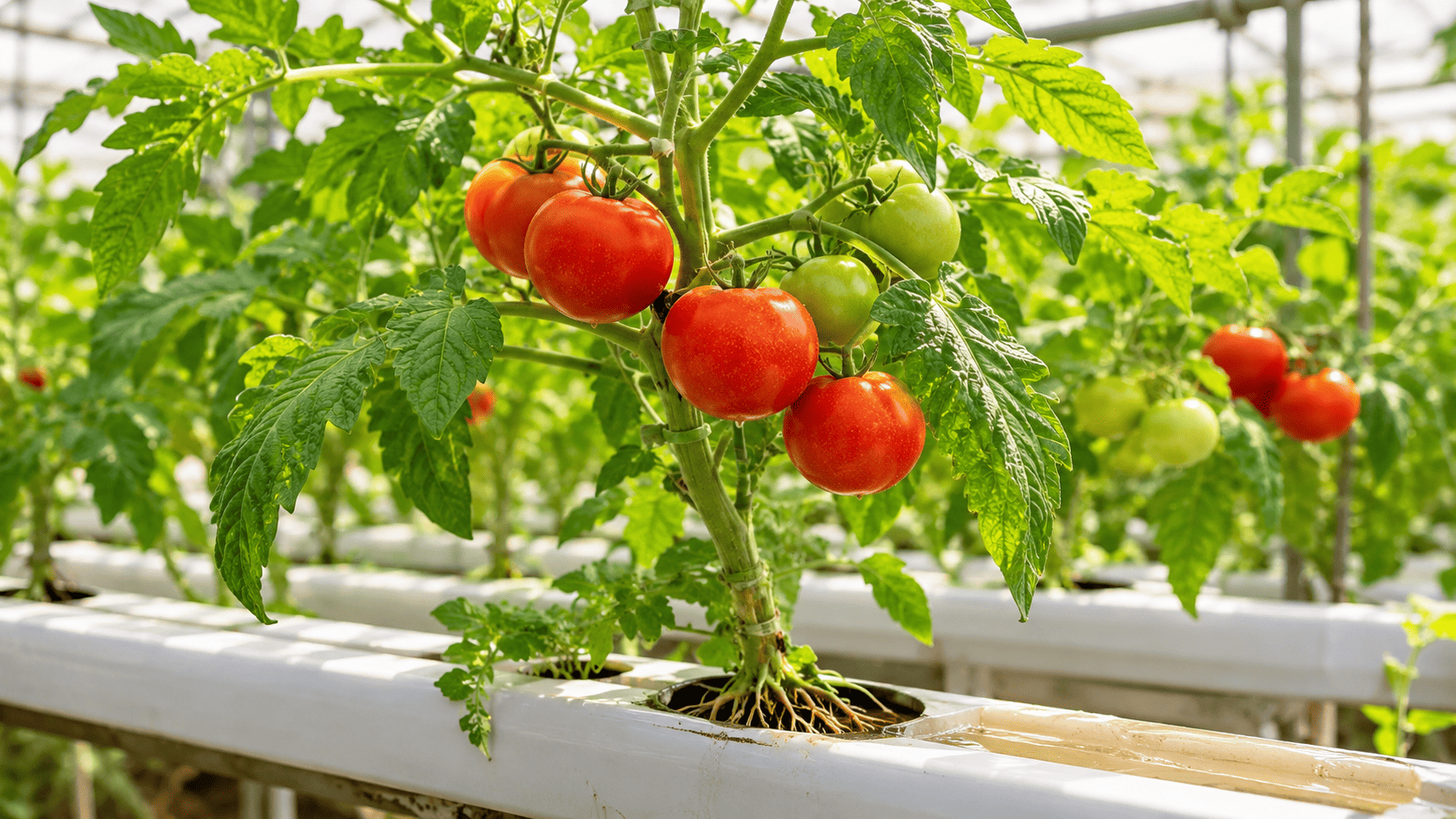
Potassium promotes hydroponic plant growth, increases fruit quality and prevents nutrient problems.
Give Strawberry Blooms the Nutrients They Need
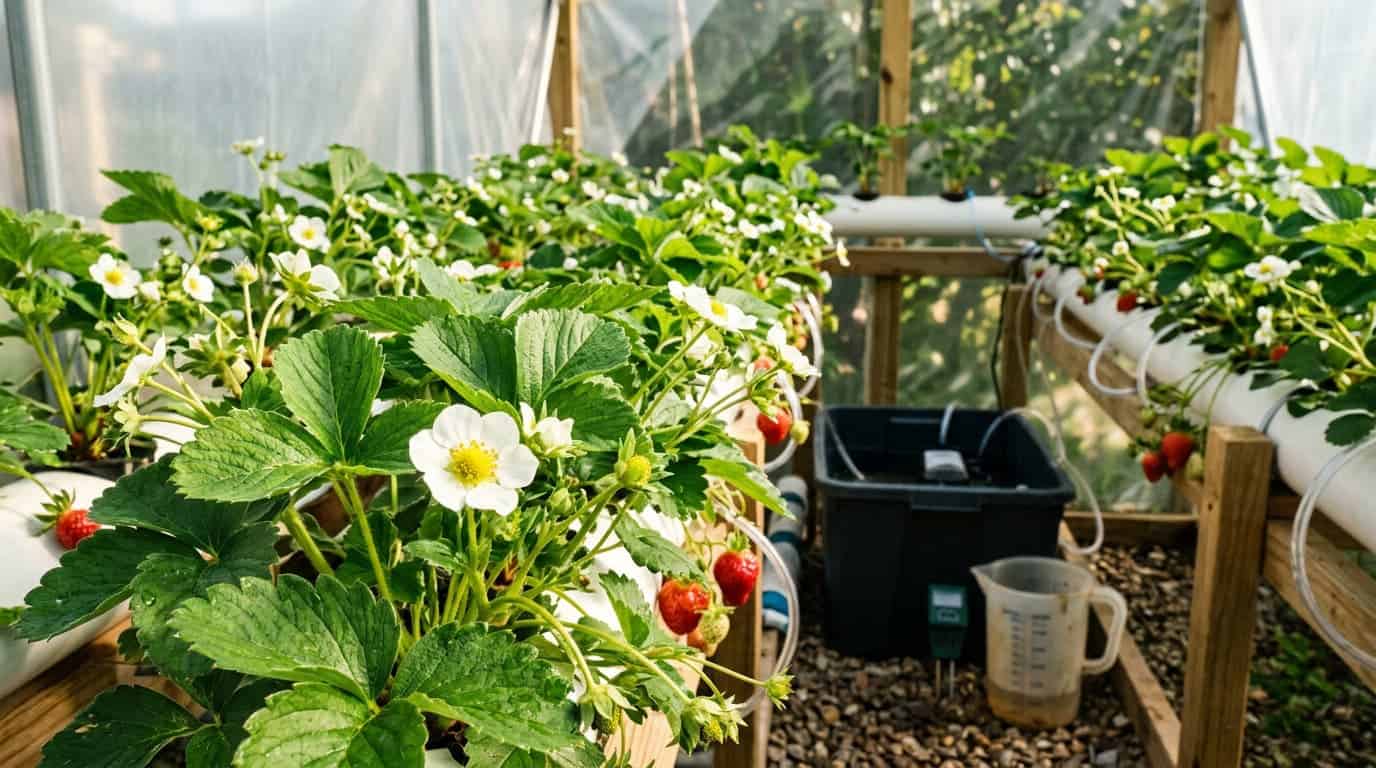
Flowering strawberries need balanced nutrition to support healthy blooms, successful pollination, and steady fruit growth. A practical nutrient schedule adjusts nitrogen, phosphorus, potassium, calcium, and magnesium as plants move from flowering to harvest. The right feeding routine also depends on growing conditions, water quality, and the production system. This guide explains how to manage nutrients,…
Can DWC Turn Tiny Strawberry Plants Into a Sweet Harvest?
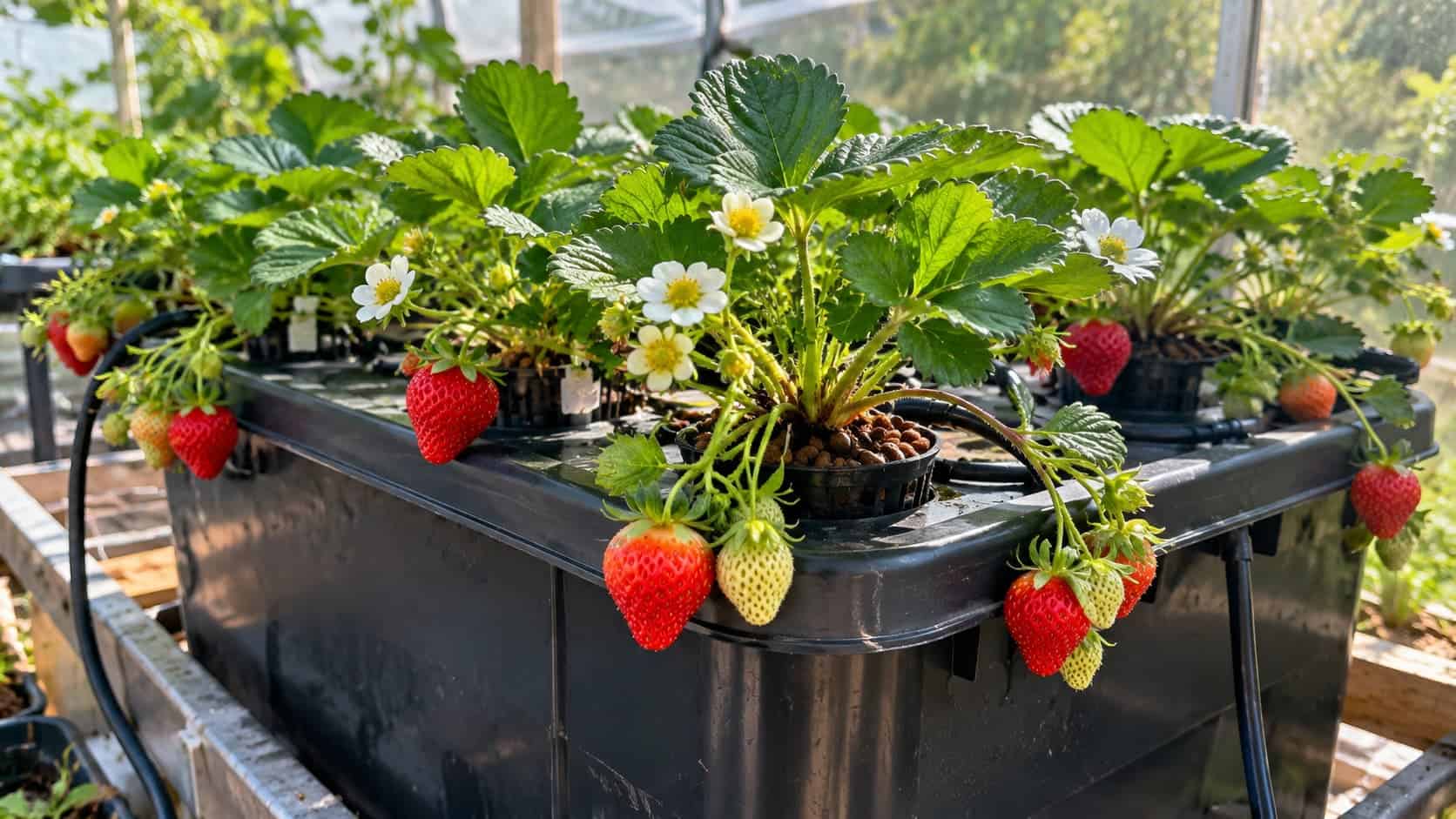
Yes, you can grow strawberries in a Deep Water Culture (DWC) system, and plants can thrive from initial flowering all the way to a full harvest, provided their roots receive continuous, high aeration However, growing berries in water presents a much steeper learning curve than standard leafy greens. Strawberries demand bone-dry crowns, robust root oxygenation,…
Best hydroponic water pump setups for DIY gardens
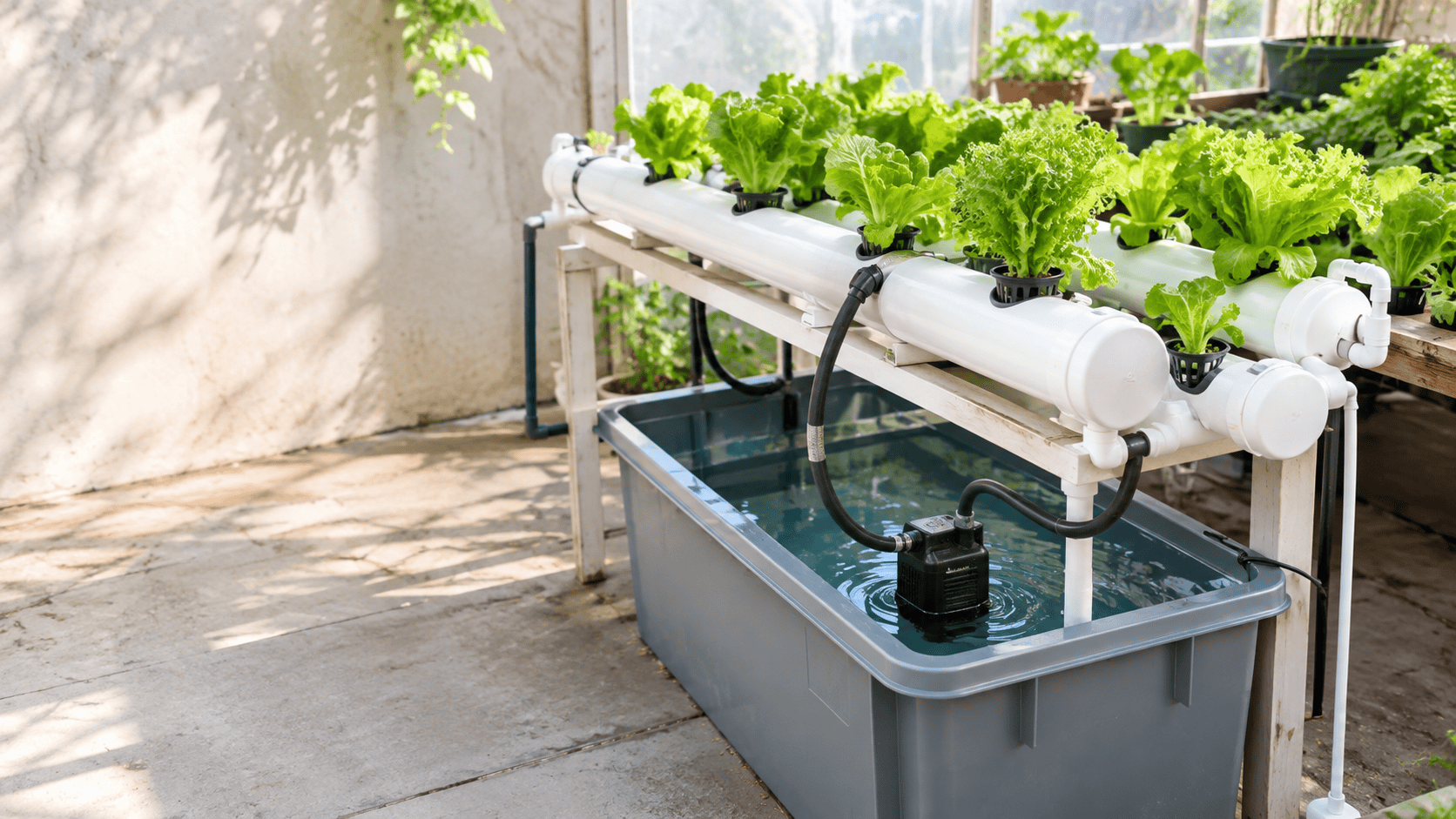
A good hydroponic pump keeps water moving to your plants. But the right pump depends on your setup. A small herb garden may need a basic submersible pump. A tall tower or drip system may need more pressure. So, which setup should you choose? This guide covers common pump designs, how to size a pump,…
How to Keep Light Out of Your Hydroponic Reservoir
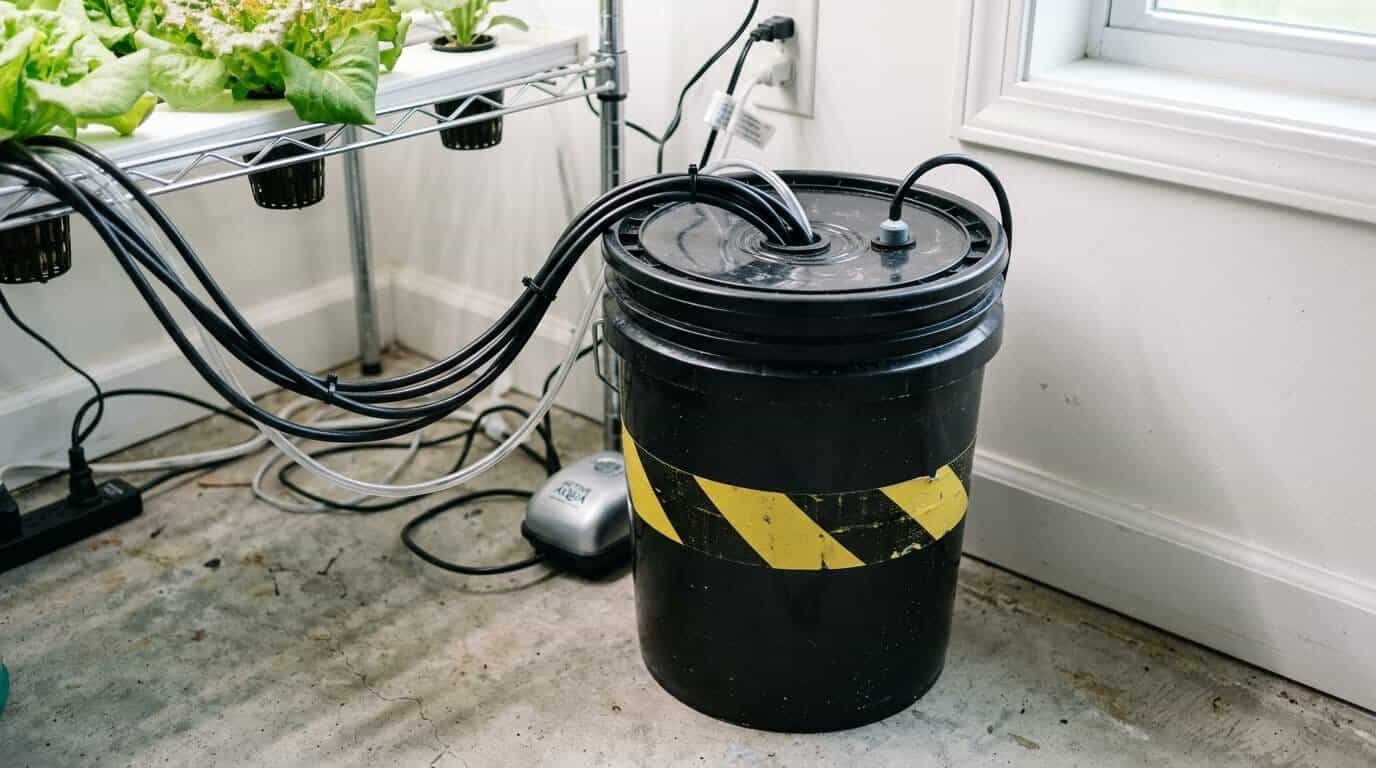
Light entering the reservoir can encourage algae growth. Heavy growth may contribute to water-quality problems, so use an opaque tank and seal gaps around the lid, tubing, and fittings. Regular inspections can also help you spot leaks before algae builds up. Want more practical tips for a cleaner reservoir? Keep reading with Tophydroponicgarden. Quick Reads:…
Is It Cheaper to Make DIY Hydroponic Nutrients?
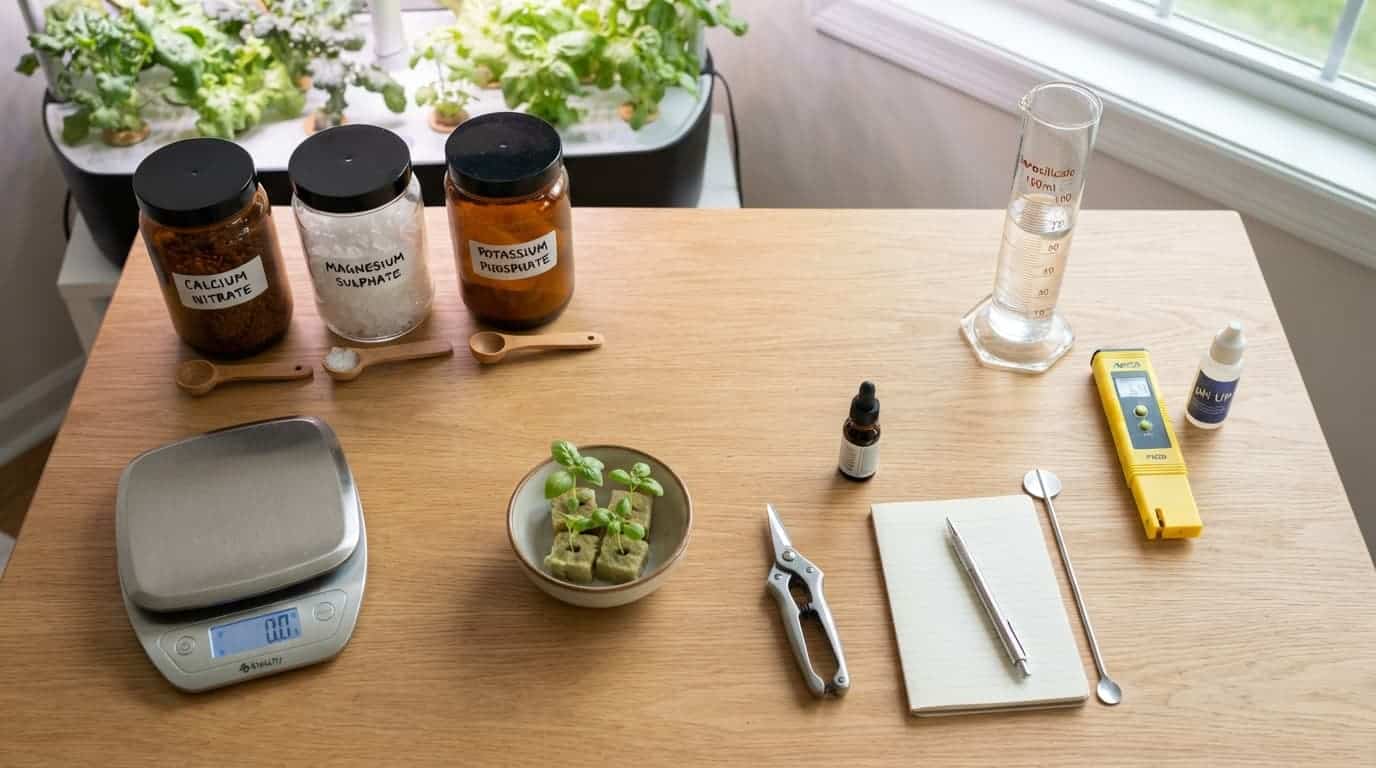
Making your own hydroponic nutrients can cost less than buying premixed products, but the savings depend on more than fertilizer prices. You’ll also need to account for testing, mixing equipment, labor, waste, and getting the formula right. So compare the full cost before switching to homemade blends. Read on to find out if the transition…
Do You Need a Carbon Filter for Hydroponics?
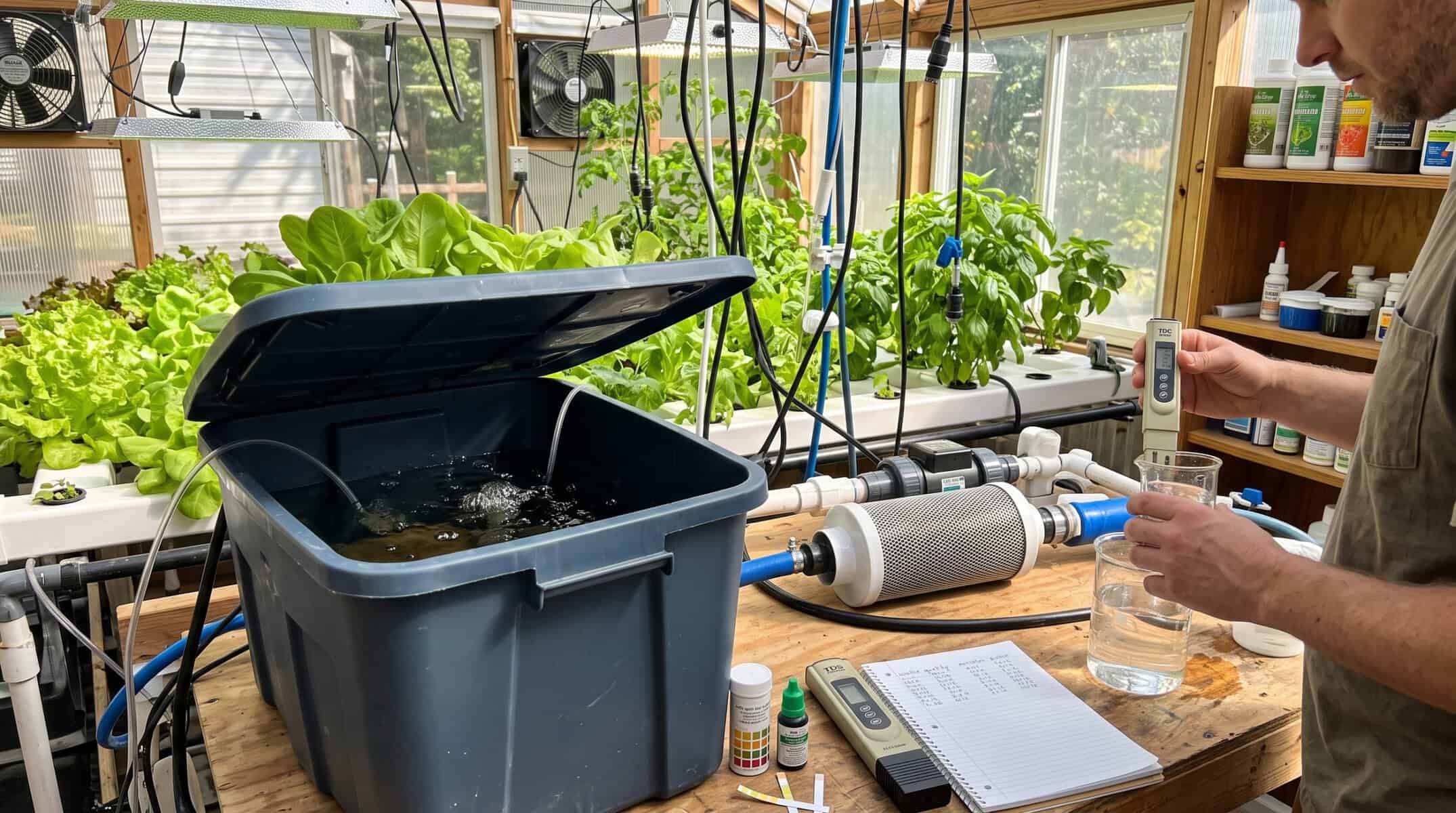
Water quality is an important part of hydroponic gardening because plants receive water and nutrients directly through their root systems. Unlike soil, hydroponic systems provide much less buffering around the roots, so the characteristics of the water you start with can affect the nutrient solution. This leads to a common question among hydroponic growers: do…
Why Are My Nutrient Solution Temperatures High?
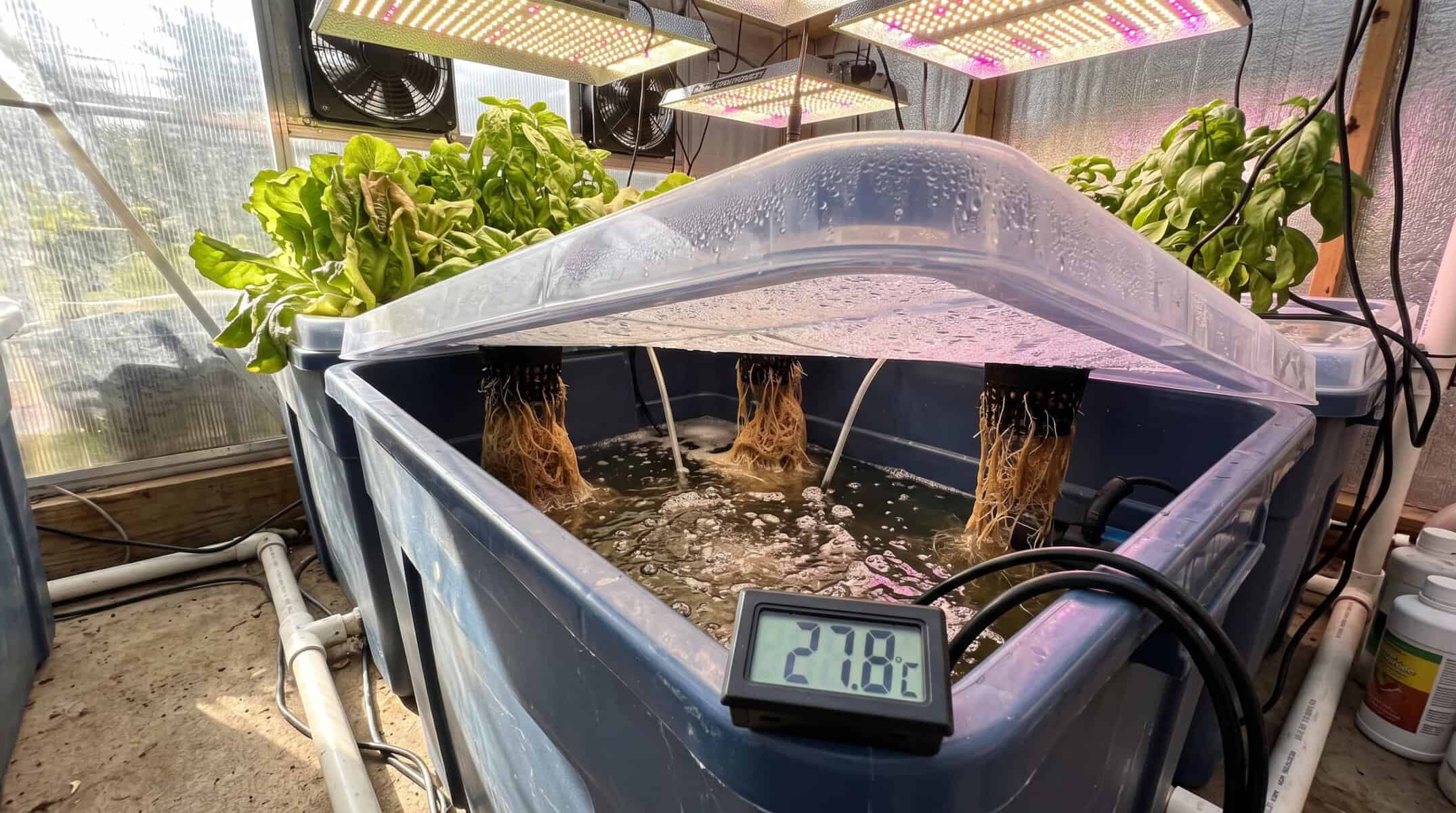
Hydroponic nutrient solution temperature plays an important role in maintaining healthy roots and consistent plant growth. When the reservoir becomes too warm, the problem is not simply that the water feels hot. Higher solution temperatures can also affect oxygen availability and create additional stress around the root zone. This is especially important in systems where…
Why Are My Nutrient Solution Temperatures High?
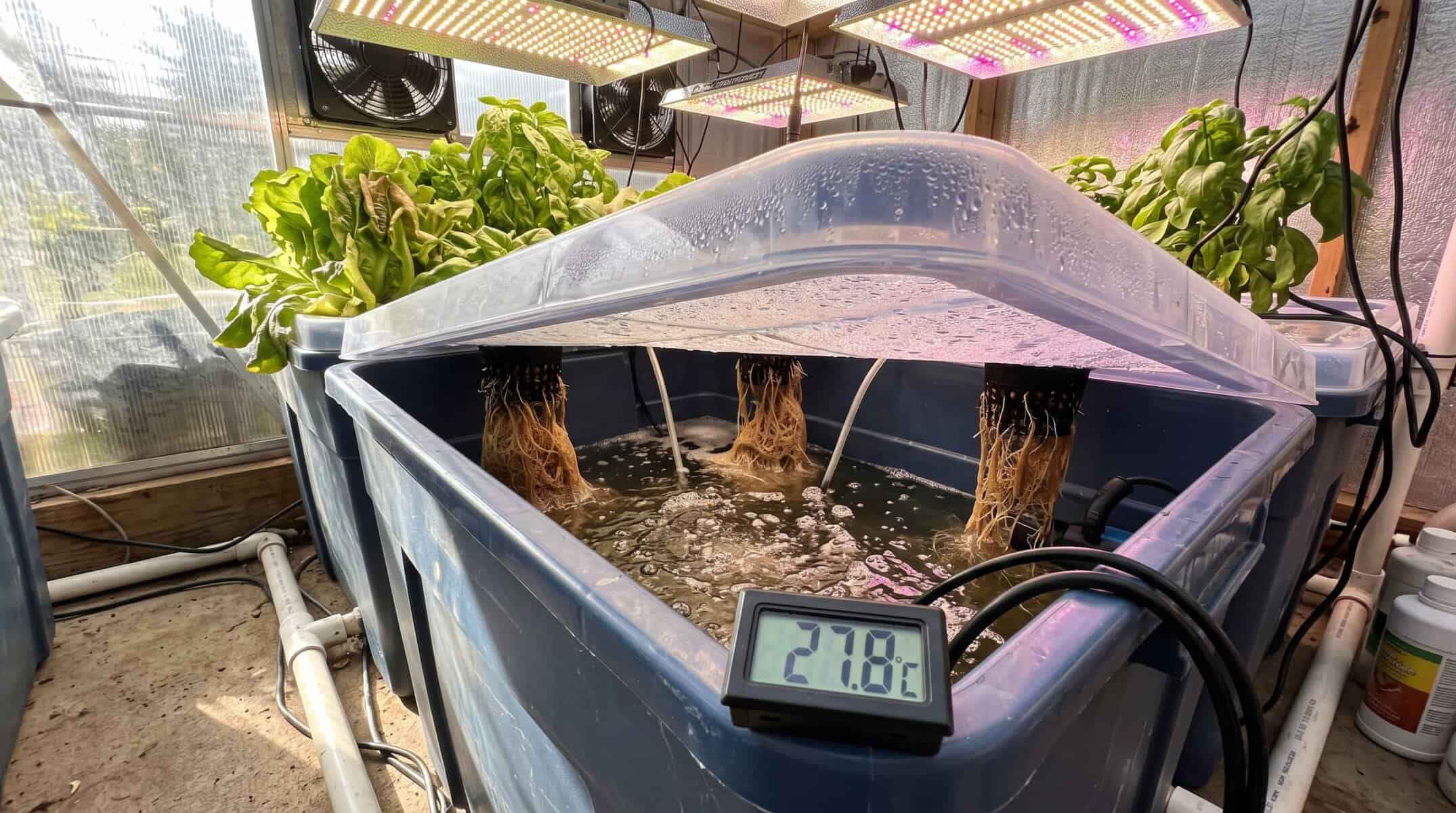
Hydroponic nutrient solution temperature plays an important role in maintaining healthy roots and consistent plant growth. When the reservoir becomes too warm, the problem is not simply that the water feels hot. Higher solution temperatures can also affect oxygen availability and create additional stress around the root zone. This is especially important in systems where…
What Is Nutrient Lockout and What Causes It?
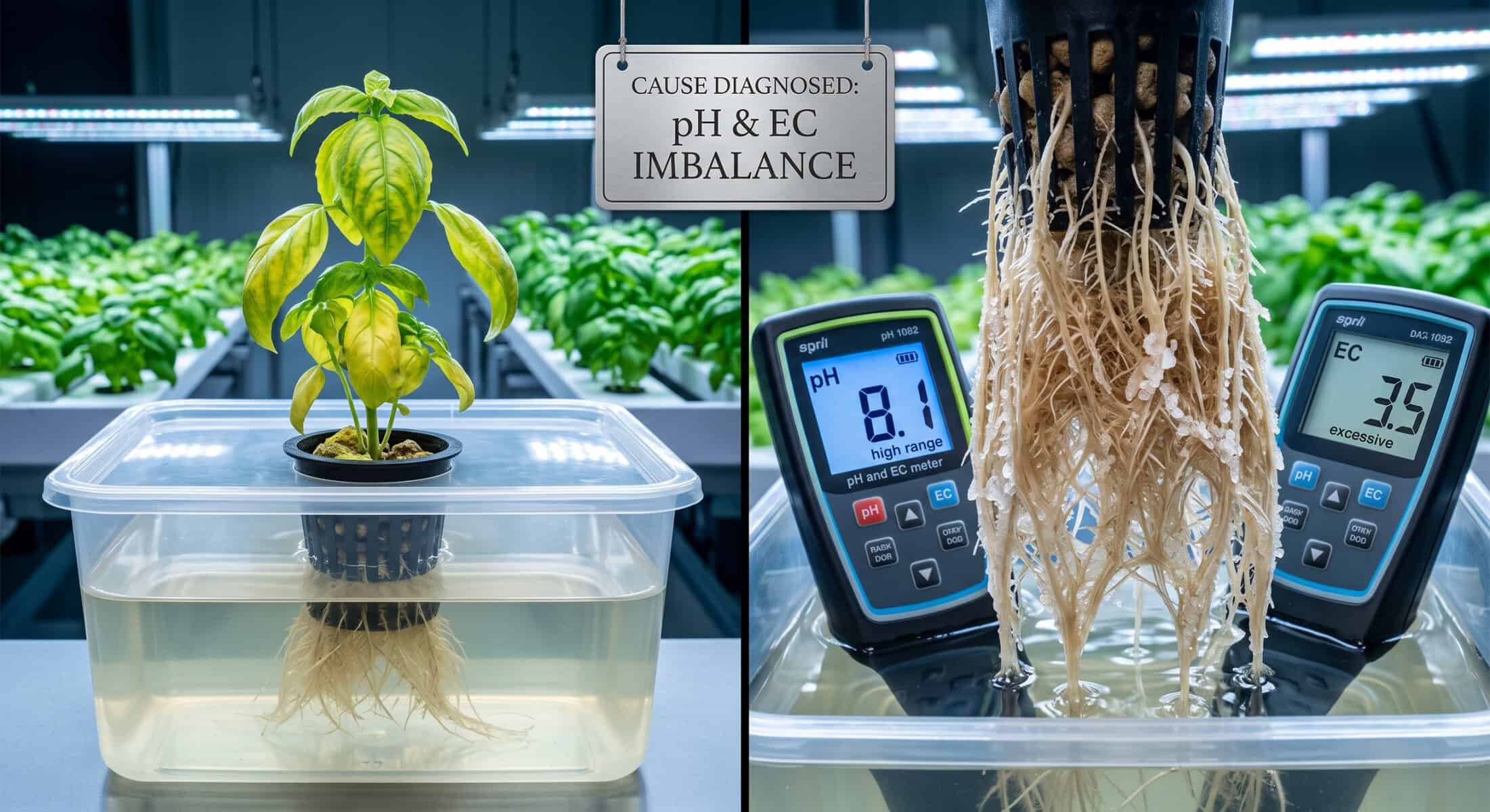
Hydroponic plants can sometimes show signs of nutrient deficiency even when the nutrient reservoir contains enough fertilizer. This situation is commonly referred to as nutrient lockout. Nutrient lockout occurs when nutrients are present but are not available for efficient uptake by plant roots. Incorrect pH, excessive EC, salt accumulation, nutrient imbalance, poor water quality, and…
Top Hydroponic Garden Ethos

We Believe in Bringing New Agriculture Perspective
We believe in bringing a new agriculture perspective to the world.
Hydroponic planting is an easy, efficient way of growing plants without soil and it’s becoming more popular every day!.
That’s why we want to introduce this revolutionary technique and promote its use among people who may not have heard about it before.
We hope that our readers will join us on this journey into Top Hydroponic Garden and discover how simple yet powerful it can be for producing food or just having fun with plants.

We Believe Improving Farming, Improving Lives
We believe that improving lives starts with improving farming.
We are passionate about hydroponic planting and the knowledge it can bring to you and others around you.
Whether it’s providing a better understanding of how food is grown or helping people become more self-sufficient in their own gardens.
This knowledge has the potential to make a real difference in people’s lives!

We Believe in Making a Trend of Agriculture
We believe in making a trend of agriculture that everyone can get excited about.
We want hydroponic planting to be seen as the cool thing to do!
Hydroponics is an innovative way of growing plants without soil and it has many benefits, including faster growth rates, reduced water consumption and less space needed for cultivation.
So why not join us on our mission? Let’s make hydroponics the trendiest form of agriculture around!