

Every successful hydroponic run relies entirely on the root zone’s access to oxygen. Standard plastic nursery pots trap roots against solid walls, causing circling, strangulation, and eventual suffocation.
Net pots solve this fundamental layout issue by using an open-mesh architecture that exposes your root mass directly to air and nutrient streams.
Quick Reads – Net Pot Growth Benefits
- How net pots benefits include improved oxygen exposure, drainage, and nutrient access.
- Why healthy root growth depends on airflow and root-zone conditions.
- How hydroponic growing baskets improve system performance across multiple hydroponic methods.
What Are Net Pots and How Do They Work?
Net pots have mesh sides. This design lets plant roots grow right through the walls. The pot still holds the plant steady, but the roots aren’t trapped.
In a normal pot, roots hit a solid wall. In a net pot, they reach out into the water or air around them. This design helps roots access oxygen and nutrient solution more easily. They are a common and useful component in many hydroponic systems.
According to University of Arizona Controlled Environment Agriculture Center
“Root metabolism shifts into suffocation when oxygen levels drop. In my setups, I maintain a strict dissolved oxygen (DO) target of 6 to 8 mg/L inside the reservoir using commercial air stones. If your DO levels drop below 4 mg/L, opportunistic pathogens like Pythium populate the water, triggering immediate root decay.” – University of Arizona Controlled Environment Agriculture Center
How does a net pot support plant roots?
A hydroponic plant holder keeps everything in place. It cradles the plant and the material it’s growing in, like clay pebbles, coco coir, or rockwool. This works for a tiny seedling or a large, mature plant.
Benefits include:
- Secure plant anchoring
- Reduced transplant shock
- Improved root expansion support
- Better crop stability
This combination makes hydroponic basket cups ideal for both home and commercial systems.
Mesh Openings Enable Lateral Root Expansion
The openings allow roots to extend beyond the container and access surrounding nutrients.
The true benefit of a mesh pot is a process called air-pruning. When a root tip grows through the slot into open air, the dry environment naturally stops its forward growth. This tip termination signals the plant to rapidly produce a dense network of fibrous lateral roots inside the medium.
Instead of a few long, looping, inefficient roots, your plant develops a highly branched root engine with maximum surface area for nutrient absorption. This open design is a key reason growers pick slotted net pots over regular ones.
Oxygen Drives Mineral Uptake and Respiration
Plant roots require oxygen to perform respiration and absorb nutrients efficiently.
Without adequate oxygen, root metabolism slows, nutrient uptake declines, and growth becomes restricted.
According to University of Florida IFAS Extension
“Root-zone oxygen levels directly influence plant performance and nutrient absorption.” – University of Florida IFAS Extension
When a root zone goes stagnant, your crops hit a wall. Without oxygen, root cells can no longer produce the adenosine triphosphate (ATP) required to actively pump minerals like nitrogen and potassium across cell membranes.
This lack of fuel causes immediate nutrient deficiencies, stunts canopy growth, and leaves the weakened tissue completely vulnerable to systemic fungal attacks.
How do net pots improve root-zone aeration?
Plant root aeration improves because the open structure allows air circulation around the root system.
This creates an oxygen rich root zone where roots receive continuous exposure to oxygen between irrigation cycles. The result is improved root oxygenation, stronger root metabolism, and enhanced plant vigor.
What Are the Main Benefits of Using Net Pots?

The main benefits of net pots are improved aeration, drainage, root support, and ease of use.
Regular pots keep roots inside. Hydroponic net pots let roots reach right out into the nutrient water.
How do net pots improve drainage?
The slotted design encourages better drainage for roots.
Water moves freely through the container instead of accumulating around the root mass. This balanced environment supports healthy growth while minimizing excessive moisture retention.
Key drainage benefits include:
- Faster removal of excess water
- Improved water and air balance
- Better root health improvement
- Reduced saturation periods
Why do net pots encourage stronger root development?
Roots naturally seek moisture, nutrients, and oxygen.
Hydroponic root baskets let roots grow past the pot’s walls. This leads to bigger, more widespread root systems. The result is stronger, tougher plants that grow faster.
Can Net Pots Help Prevent Common Plant Problems?
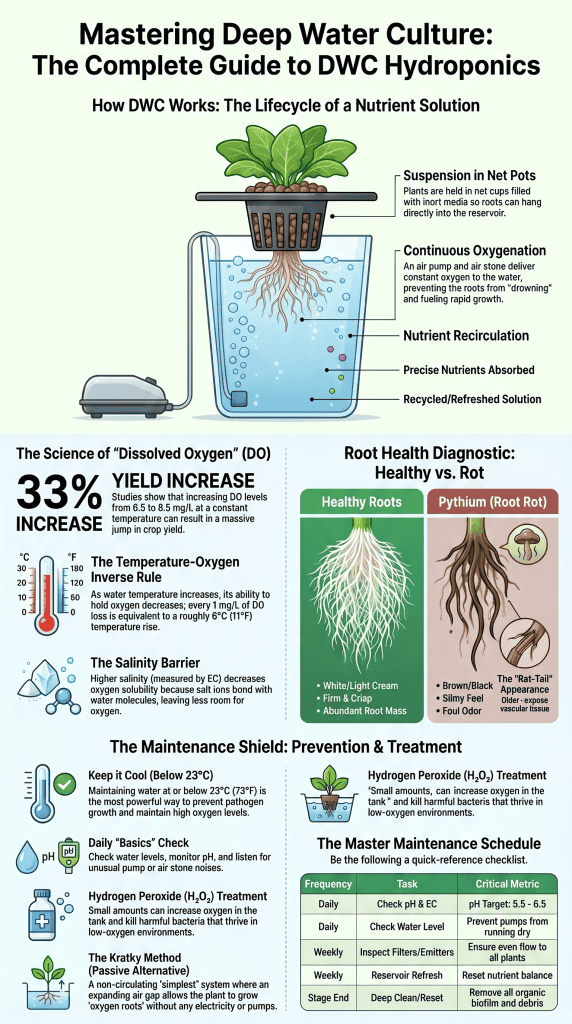
Yes. Net pots can reduce several common root-zone issues when used correctly.
The biggest benefit is preventing water from sitting around too long. The design stops moisture from building up and water from going stale.
Do net pots reduce the risk of root rot?
Net pots are your first line of defense against Pythium (root rot), but they aren’t a magic fix. The mesh design stops stagnant water from pooling at the base of your stalk, which is exactly where fungal spores love to strike.
However, if your reservoir temps creep past 72°F (22°C), water naturally loses its ability to hold dissolved oxygen. When that happens, even a net pot won’t save your roots from suffocating and rotting.
From my experience, pair your slotted cups with a strict water hygiene routine and keep your reservoir cool, or the open mesh will just give you a front-row seat to watching your roots turn brown and slimy.
How can better drainage improve plant health?
Healthy roots thrive when moisture and oxygen remain balanced.
Improved drainage contributes to:
- Increased oxygen exposure
- Better nutrient solution access
- Reduced stress
- More vigorous growth
The result is often healthy hydroponic roots with greater nutrient absorption capacity.
Which Plants Grow Best in Net Pots?
Many crops perform exceptionally well in net pots.
You see them used most often for leafy greens, herbs, strawberries, peppers, cucumbers, and tomatoes.
Are leafy greens ideal for net pots?
Yes. Lettuce, kale, spinach, basil, and similar greens grow fast in hydroponic cups. They’re light, their roots spread quickly, and this makes them perfect for these systems.
The way you utilize net pots changes fundamentally based on your plumbing setup. In NFT (Nutrient Film Technique) channels, you need shallow 2-inch cups so they don’t drag and dam up the shallow stream of water.
For DWC (Deep Water Culture) buckets, heavy-duty 3-to-6-inch net baskets are standard because they must anchor a massive, hanging root mass that will eventually sit entirely submerged in an aerated reservoir.
If you are running a passive Kratky system, your net pot serves as the static anchor point that holds the medium perfectly dry at the rim while the roots stretch downward into the dropping water line.”
Can fruiting plants thrive in net pots?
Fruiting crops can thrive when paired with appropriate support systems.
Heavier fruiting crops often need larger net pots and additional support, depending on the system.
How Do Net Pots Improve Hydroponic System Performance?
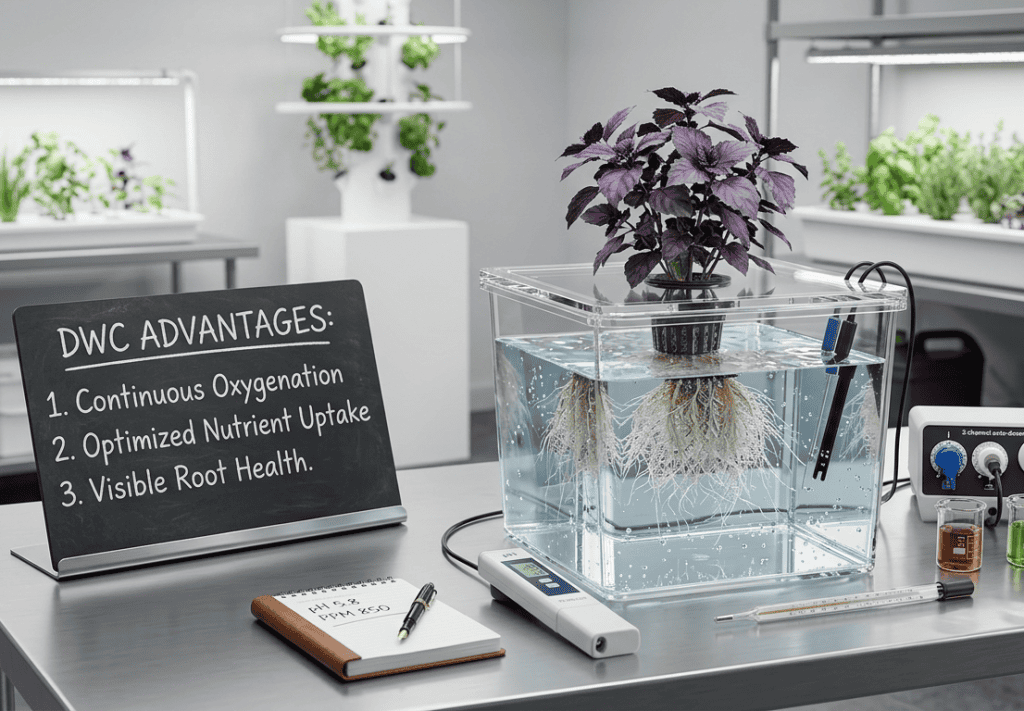
Net pots contribute directly to overall hydroponic system efficiency.
Their design helps nutrients move, roots reach out, and oxygen get delivered. This works across many different hydroponic setups.
Why are net pots popular in DWC systems?
In a deep water culture setup, net pots hold plants above a tank of nutrient water. The plant’s roots then grow down into the oxygen-rich solution below.
Benefits include:
- Continuous nutrient access
- Easy root inspection
- Excellent oxygenation
- Stable plant support
These features make net cups widely used in DWC systems.
How do net pots support efficient nutrient uptake?
Roots can access nutrients directly without barriers.
This creates:
- Better nutrient uptake
- Efficient nutrient delivery
- Improved water circulation
- Faster plant growth
Growers use net pot systems because they directly link oxygen and nutrient access. More oxygen means roots can take in more food.
Are Net Pots Useful Outside Hydroponics?
Yes. Net pots are increasingly used in semi-hydroponics, propagation, and indoor plant cultivation.
Many home gardeners use reusable baskets filled with LECA clay pebbles for their houseplants. This gives the roots more air to breathe.
Aroids like Monstera, Philodendron, and Anthurium thrive when moved from messy soil mixes into net pots packed with expanded clay pebbles (LECA). This setup lets you implement a semi-hydroponic reservoir system.
The mesh slots allow you to visually monitor for white, healthy root development without pulling the plant out of its medium, while also making it simple to flush away the white fertilizer salt crusts that naturally accumulate on the top layers of clay balls over time.”
How are net pots used for plant propagation?
When striking cuttings or starting seeds in rockwool plugs or rapid-rooter sponges, drop them directly into a small 2-inch net cup. As the young roots burst through the mesh openings, they remain uncompressed and healthy.
When it’s time to transplant, you don’t peel the delicate plant out of the cup; instead, you drop the entire 2-inch basket directly into a larger 6-inch net pot or a top-feed bucket system, completely eliminating transplant shock.
What Size Net Pot Should You Choose?
Choosing the right size depends on crop type, growth stage, and system design.
A pot that is too small can restrict development, while oversized containers may waste space.
Which net pot sizes work best for herbs and lettuce?
Most herbs and leafy greens perform well in:
| Plant Type | Typical Net Pot Size |
| Lettuce | 2–3 inch |
| Basil | 2–3 inch |
| Spinach | 2 inch |
| Small herbs | 2 inch |
Exact size depends on plant stage, media, and system design.
These sizes provide adequate support while allowing root expansion.
When should you choose larger net pots?
Larger durable net pots are often preferred for:
- Tomatoes
- Peppers
- Cucumbers
- Heavy fruiting crops
A larger root zone often supports stronger plant establishment and long-term growth.
What Mistakes Should You Avoid When Using Net Pots?
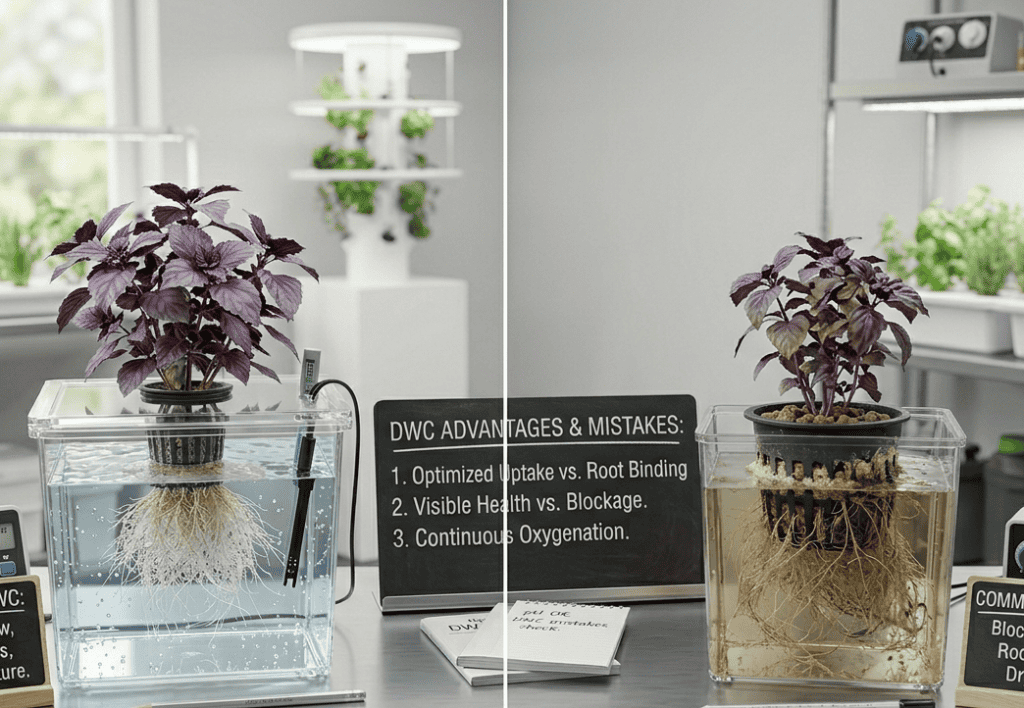
Net pots perform best when integrated properly into the overall growing system.
Many beginner issues result from setup errors rather than the pots themselves.
Can incorrect water levels harm plants?
Yes.
In systems like DWC, maintaining proper water levels is important during early growth stages. Young roots require moisture access without becoming excessively submerged.
Poor water management can reduce oxygen availability and slow root development.
Why is choosing the right growing medium important?
The growing medium supports the plant while influencing moisture retention.
Popular options include:
- Clay pebble net pots
- Rockwool net pots
- Coco coir net cups
If you are running heavy fruiting crops like vine tomatoes or beefy bell peppers, don’t skimp out, use a wide-rim 6-inch or 8-inch heavy-duty basket cup. A standard 2-inch lettuce cup will literally crack under the weight of a mature tomato root ball.
Furthermore, your choice of medium dictates your daily moisture management. If you use LECA (expanded clay pebbles) inside your net pots, you get superb drainage and zero compaction, but they dry out in minutes if a pump fails.
If you line the net pots with coco coir, you gain a massive moisture buffer that protects against power outages, but you risk loose fibers washing through the mesh slits and clogging your reservoir pumps
How Can Beginners Start Using Net Pots Successfully?

Credits: Humble Growth
Getting started with home hydroponic gardening is relatively straightforward.
Most growers can assemble a basic setup using a few essential components.
What supplies do you need to get started?
Basic equipment includes:
- Reusable net pots
- Nutrient solution
- Growing medium
- Reservoir
- Air pump (for DWC)
- Seeds or seedlings
These items form the foundation of many hydroponic gardening essentials.
How do you maintain net pots for long-term use?
Most plastic net pots are designed for repeated use.
To reuse heavy-duty polypropylene net pots across multiple seasons, you must remove the stubborn salt crust and organic debris that builds up in the mesh slits.
After harvesting, I slice out the main root block with a utility knife and submerge the baskets in a 10% bleach bath or a food-grade citric acid solution for 30 minutes.
Scrubbing the channels with a stiff nylon brush removes trapped fungal spores, ensuring your next batch of seedlings enters a sterile environment.”
Are Net Pots Worth Using for Your Plants?
For many growers, the answer is yes.
Net pots improve air flow, drainage, and how roots grow and get food. They work in many hydroponic systems. Whether you’re starting a small indoor garden or running a big greenhouse, the benefits of using net pots are clear.
Who benefits most from using net pots?
Net pots are particularly useful for:
- Hydroponic beginners
- Indoor gardeners
- Commercial growers
- Vertical farming operations
- Greenhouse producers
Anyone seeking healthy root growth and improved system performance can benefit from their use.
How can Tophydroponicgarden help you build a better growing system?
Tophydroponicgarden can help you find the right tools, pick the best growing baskets, and set up your system for stronger crops.
FAQ
How do I prevent roots from clogging my plumbing lines?
Vigorous crops like mint or tomatoes will send massive root systems through your net pots and straight into your return drains. In NFT systems, check your channels weekly and manually trim back stray root strands that threaten to dam up your water flow.
Can I use soil inside a net pot?
No. Standard potting soil will quickly wash straight through the mesh openings, creating a muddy sludge that will destroy your water pumps and suffocate your root lines. Stick strictly to inert aggregates like LECA, coco coir chips, or rockwool plugs.
Can net pots improve plant stability?
Net pots improve plant stability in hydroponics by holding plants securely while allowing roots to grow through the openings. The design provides secure plant anchoring and supports steady growth as plants become larger.
Hydroponic plant holders and hydroponic growing baskets also help maintain proper plant positioning, making them useful for both small home setups and larger growing systems.
Are net pots reusable for future growing cycles?
Yes, many net pots are reusable when they are cleaned and maintained properly after each growing cycle. Reusable hydroponic accessories can reduce waste and support sustainable hydroponic growing practices.
Durable net pots are lightweight plant containers that can be used with different hydroponic systems, helping growers maintain system efficiency while reducing the need for frequent replacements.
Smarter Root Growth Starts With the Right Setup
Your plants depend on strong roots, but poor airflow and drainage can slow growth. Net pots help create a better root environment by giving roots more space, oxygen, and easier access to nutrients. Small changes at the root level can improve plant performance.
A better root setup starts with choosing the right tools. Tophydroponicgarden offers net pots that support growers looking for a simple way to improve their hydroponic system. It’s a practical step toward healthier plants.
References
- https://ceac.arizona.edu/
- https://ask.ifas.ufl.edu/publication/CV216
Related Articles
- https://tophydroponicgarden.com/deep-water-culture-system-guide/
- https://tophydroponicgarden.com/net-pots/
- https://tophydroponicgarden.com/choosing-the-right-size-net-pots/
Was this helpful?

I’m Barrie L., a passionate hydroponic gardening enthusiast dedicated to cultivating thriving, soil-less gardens. With a focus on all things hydroponic, I share my expertise on innovative growing techniques and sustainable practices through my blog, tophydroponicgarden.com. As a seasoned hydroponics specialist, my goal is to inspire and guide fellow gardeners in harnessing the power of water-based cultivation for bountiful and eco-friendly harvests. I’m also an author of the book “Hydroponics For Absolute Beginners: Your Step By Step Guide For How To Create An Hydroponics System At Home Without Soil, For Growing Vegetable, Fruit And Herbs.” which is sold on Amazon. Join me on a journey of redefining the way we cultivate plants, one nutrient-rich solution at a time. Happy growing!