

Growing plants without soil might sound weird, but it’s catching on fast – and for good reason. While traditional farmers stick to their trusty dirt, hydroponic growers are proving that water alone (plus some clever science) can produce food faster and more efficiently than ever before.
Some commercial hydroponic farms are cranking out lettuce in half the time it takes in soil, and they’re doing it year-round in spaces the size of a parking spot.Think this sounds too good to be true? Keep reading to see why more people are ditching their garden shovels for water pumps and nutrient solutions. The numbers might surprise you.
Key Takeaways
- Faster Growth and Higher Yields: Hydroponically grown crops typically mature faster and yield more than their soil-based counterparts.
- Resource Efficiency: Hydroponics uses less water and space, making it ideal for urban environments and areas with poor soil.
- Controlled Environment: Hydroponic systems allow precise control over growing conditions, enhancing plant health and reducing pests and diseases.
The Advantages of Hydroponics
Faster Plant Growth and Higher Yields
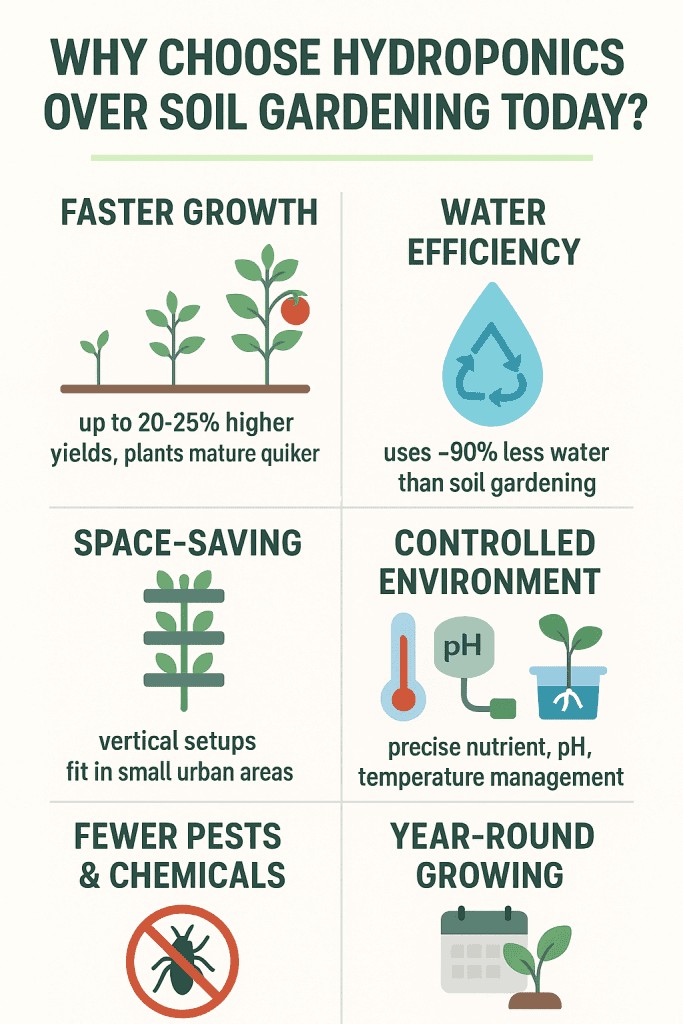
Plants in hydroponic systems grow crazy fast – it’s like they’re on turbo mode. These water-based gardens skip the whole “digging through dirt for food” phase that regular plants deal with. Instead, the roots just hang out in nutrient-rich water (pH usually between 5.5 and 6.5), soaking up exactly what they need, when they need it.
Think about it: when a plant doesn’t have to work so hard finding nutrients, it can put all that extra energy into getting bigger and producing more fruit or vegetables. A tomato plant that might take 80 days to fruit in your backyard garden could start producing in about 65 days in hydroponic growing setups. Pretty neat stuff.
The numbers back this up too. Farmers who’ve switched to hydroponics typically see their yields jump by 20-25% compared to traditional soil gardens. Some leafy greens, like lettuce and spinach, grow even faster – we’re talking about harvest times cut down by a third. And since these systems can run year-round indoors, you don’t have to worry about seasonal growing windows or weather problems.
Most home hydroponic growers start seeing results within a few weeks, especially with quick-growing plants like herbs and leafy greens. It’s probably why more people are setting up these systems in their garages and spare rooms – who doesn’t want fresh basil in the middle of winter? (1)
Water and Space Efficiency

Growing plants without soil might seem unusual, yet hydroponics dramatically reduces water use compared with traditional gardening. Conventional plots soak up gallons that quickly seep into the ground, while hydroponic systems continually recycle the same supply, almost like an endlessly refilled reservoir. The water flows through the roots again and again instead of disappearing into the earth.
Measurements from working farms show that most hydroponic gardens require about 90 percent less water than comparable soil beds. Picture a head of lettuce grown in dirt, needing daily irrigation, versus its hydroponic twin thriving for weeks in a few gallons of nutrient solution. Because the liquid is recirculated rather than lost to evaporation or drainage, the plants receive exactly what they need without waste.
Space efficiency is equally striking, making these systems ideal for tight urban areas. Entire salad bars of greens can flourish in a footprint no larger than a bookshelf. Growers install vertical racks inside old warehouses, spare rooms, and even the back corners of busy restaurant kitchens. A well-managed ten-by-ten-foot hydroponic layout can yield roughly the same harvest as a quarter-acre of conventional farmland.
Producing food closer to where it will be eaten also reduces spoilage and transport waste. Vegetables can move from root to plate in hours instead of weeks, eliminating the grocery-store delay that causes so much loss. In many cities, chefs harvest basil and other herbs directly from compact hydroponic towers beside their prep stations—freshness that traditional supply chains rarely match.
Precision and Control

credit: Proponics
Growing plants in hydroponics is like being the director of a really precise plant movie. While regular gardeners are out there hoping the weather plays nice, hydroponic growers get to call all the shots. They’re tweaking nutrients like a chef adjusts seasoning – a little more calcium here, maybe dial back the nitrogen there.
The whole setup runs like a well-oiled machine. The water stays at just the right temperature (usually between 65-75°F), lights flip on and off exactly when needed, and nutrients mix in perfect proportions. Even the air around the plants gets controlled – most decent systems keep humidity around 50-70%. Many growers credit this controlled environment to modern hydroponic technology that keeps every variable in check.
Regular soil gardens? They’re kind of like gambling. Maybe the soil’s too acidic, maybe it’s not. Could be full of nutrients, could be stripped bare. And don’t even start about the weather – one bad storm can wreck months of work. But in hydroponics, if something’s not right, you just check the monitors and fix it. Plants don’t care if it’s raining outside when they’re living in their own perfect little world.
Most hydroponic growers keep detailed logs of what works best – sort of like a plant diary. After a while, they know exactly what their basil likes versus their tomatoes, down to the tiniest detail. It’s probably a control freak’s dream setup, but hey, the plants aren’t complaining.
Sustainability and Reduced Use of Chemicals
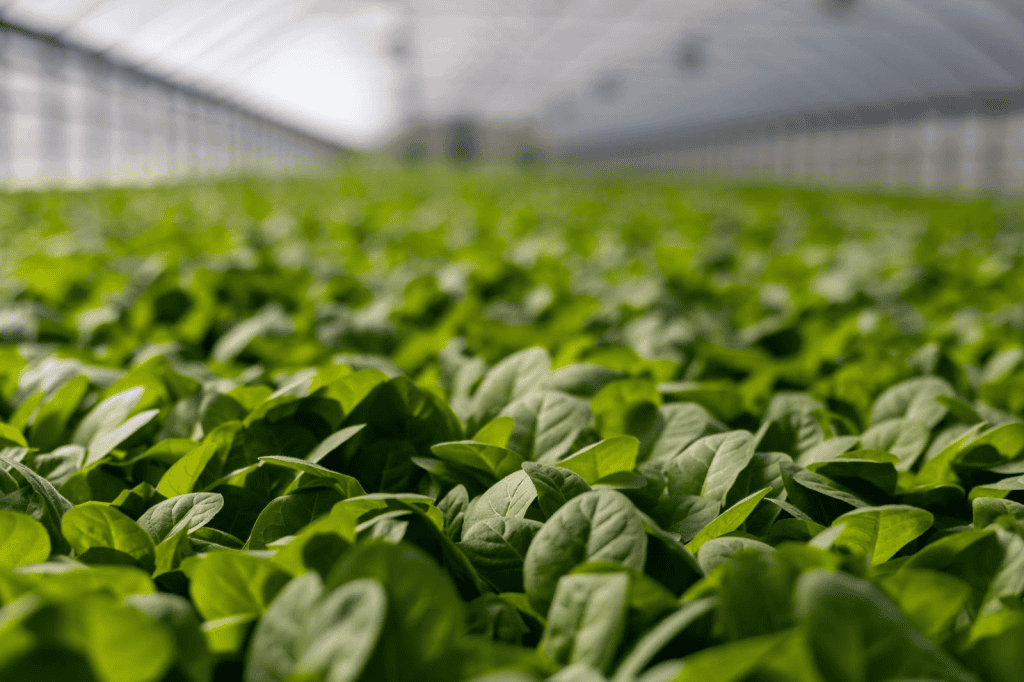
Hydroponic gardens are basically the clean freaks of the farming world. Without soil in the picture, a lot of those annoying bugs and plant diseases just can’t get a foothold. No soil means no weeds either – which means no need for all those chemicals regular farmers spray to keep their crops alive.
The numbers are pretty eye-opening. A typical hydroponic setup uses about 10% of the water that traditional farming needs. That’s massive when you think about how much water gets used in regular farming (about 70% of the world’s freshwater goes to agriculture, by the way). And since these systems can fit almost anywhere – empty warehouses, old shipping containers, even basement rooms – they’re not eating up precious farmland.
Most hydroponic farmers don’t even own a bottle of pesticide. Their plants grow in carefully controlled rooms where the only insects that get in are the ones that sneak past security. Compare that to regular farms, where bugs and diseases spread faster than gossip in a small town. Some commercial hydroponic operations run for years without ever spraying a single chemical.
The whole farm-to-table thing gets a lot easier too. Picture growing lettuce in downtown Chicago instead of shipping it from California. That’s two weeks less travel time, way less spoilage, and fresher food on people’s plates. Some grocery stores are catching on – they’re starting to grow greens right there in the store. Can’t get much closer to the customer than that. (2)
Considerations and Drawbacks
Hydroponics may sound like a perfect solution, but it comes with challenges that many glossy success stories leave out. Setting up a reliable system is far from cheap. A simple soil garden might cost only a hundred dollars for basic tools and seeds, while a modest hydroponic starter kit can easily run five hundred to a thousand dollars, and advanced commercial setups often reach ten thousand or more.
Beyond the initial investment, there are continuing expenses for nutrient solutions, pH testing supplies, replacement pumps, and the electricity required to keep grow lights running day and night.
Costs aren’t the only hurdle. Hydroponics demands constant attention. You can’t simply drop seeds in water and walk away. Growers must track pH levels, measure nutrient concentrations, and maintain pumps, lights, and air circulation. Miss a single adjustment, and plants can deteriorate within hours.
The process resembles caring for a high-maintenance pet: one skipped feeding or overlooked checkup may result in wilting leaves or stunted growth. Some enthusiasts love this technical precision, but others find it stressful and time-consuming.
There is also an ongoing debate about nutrition. Traditional farmers sometimes claim their soil-grown vegetables contain more vitamins and minerals. Scientific studies are mixed, some show slightly higher nutrient levels in soil crops, while others find no meaningful difference.
What matters most is how carefully the plants are fed, whether their roots grow in dirt or nutrient-rich water. Gardeners thinking about switching methods can explore moving from soil to hydroponics, to decide which approach fits their goals and lifestyle.
FAQ
How do hydroponic systems let plants grow faster while using less water than traditional farming?
Hydroponic systems give plant roots direct contact with nutrient-rich water and oxygen. Because the roots do not search through soil, plants grow faster and often deliver higher yields than traditional soil based gardens. A controlled environment keeps pests and diseases to a minimum and uses far less water than traditional farming.
This growing method works in many climates and allows food production year-round. It suits leafy greens and a wide range of hydroponic crops, letting growers harvest more in less time. Weather conditions matter less, so growers stay on schedule even when outdoor fields face heat waves or heavy rain.
What are the main benefits of hydroponics vs traditional farming for food production and space requirements?
The benefits of hydroponics begin with efficiency. Hydroponic farming uses less land and supports vertical farming, so growers produce more food in tight areas. Hydroponic gardens create perfect conditions where hydroponic plants avoid many pests and diseases.
Compared with traditional farms, you often see higher yields and more reliable harvests. Because growing plants indoors reduces weather risks, less food waste occurs and grown crops stay consistent in quality.
This controlled environment also lowers space requirements, making indoor hydroponic gardens practical for cities. By focusing resources, this growing method brings steady results and reduces the strain on soil based farming systems.
Can different farming methods like ebb and flow or flood and drain work for every type of crop in an indoor hydroponic garden?
Indoor hydroponic gardens often use ebb and flow or flood and drain systems to keep roots moist and oxygenated. These hydroponic growing methods support many kinds of hydroponic plants, from leafy greens to fruiting vegetables.
Each type of crop may need specific light levels, nutrients, and timing to thrive. Grow lights and hydroponic technology help fine-tune the hydroponic system for perfect conditions that traditional soil cannot always match.
Because the environment is controlled, pests and diseases are easier to manage. This flexible approach lets growers match different farming methods to the needs of diverse crops without relying on weather conditions.
How does hydroponic gardening compare to traditional farming when considering long-term sustainability and controlled environment needs?
Hydroponic gardening uses a controlled environment to grow crops with less water and fewer chemicals than traditional farming. Hydroponic farms and indoor hydroponic systems reduce the impact of pests and diseases while keeping food production steady.
The growing method supports vertical farming and other modern farming methods that lower space requirements and limit food waste. Hydroponic systems let plants grow faster and give higher yields, which helps meet rising demand.
While traditional soil farming still plays a role, hydroponic gardening offers benefits of hydroponics such as predictable harvests and better use of resources, making it a strong option for future food security.
Conclusion
Choosing between hydroponics and traditional soil gardening isn’t just about following trends. Hydroponics offers quicker harvests and uses far less water, yet it demands higher startup costs and careful monitoring.
Traditional gardens remain cheaper to start and more forgiving when mistakes occur. Ultimately, the ideal method depends on your space, budget, and goals. Learning the basics of hydroponics and the differences between traditional and hydroponic methods helps determine the best fit.
Related Articles
- https://tophydroponicgarden.com/what-is-hydroponics-2/
- https://tophydroponicgarden.com/can-you-switch-from-soil-to-hydroponics/
- https://tophydroponicgarden.com/hydroponics-vs-traditional-gardening/
References
- https://www.spider-farmer.com/blog/hydroponics-vs-soil-culture-which-should-you-choose-for-your-plants/
- https://www.forkfarms.com/blog/are-hydroponic-gardens-better-than-soil-based-gardens
Was this helpful?
I’m Barrie L., a passionate hydroponic gardening enthusiast dedicated to cultivating thriving, soil-less gardens. With a focus on all things hydroponic, I share my expertise on innovative growing techniques and sustainable practices through my blog, tophydroponicgarden.com. As a seasoned hydroponics specialist, my goal is to inspire and guide fellow gardeners in harnessing the power of water-based cultivation for bountiful and eco-friendly harvests. I’m also an author of the book “Hydroponics For Absolute Beginners: Your Step By Step Guide For How To Create An Hydroponics System At Home Without Soil, For Growing Vegetable, Fruit And Herbs.” which is sold on Amazon. Join me on a journey of redefining the way we cultivate plants, one nutrient-rich solution at a time. Happy growing!