

Mint is one of the most vigorous herbs in hydroponics until it isn’t. When hydroponic mint leaves come out small and growth slows down noticeably, something in the system is off.
If you’re asking, why are my hydroponic mint leaves small?, the short answer is that light, nutrients, root oxygen, or pH are usually the cause. Most hydroponic mint problems that produce stunted growth trace back to one of those four factors, and the good news is that all of them are fixable.
Healthy mint should push out large, aromatic leaves with strong stems and steady branching. Small leaves are a clear signal the plant is under stress rather than growing productively. Keep reading to find out exactly what’s causing it and how to fix it.
Why Your Mint Leaves Are Small And How to Fix It Fast
Fixing small hydroponic mint leaves rarely requires major changes, most growers solve it by correcting one or two environmental factors that are easy to overlook.
- Small hydroponic mint leaves are most commonly caused by poor light, low nutrient availability, root stress, or pH imbalance.
- Healthy roots, stable pH 5.8, proper EC levels, and strong lighting usually restore normal leaf size within a few weeks.
- Root oxygenation and environmental stability matter as much as fertilizer when troubleshooting hydroponics.
Quick Fixes for Small Hydroponic Mint Leaves
If your hydroponic mint leaves are suddenly looking tiny and stunted, you can usually track down the issue in just a few minutes.
Many growers immediately blame nutrients the moment their mint leaves refuse to grow wide. In reality, pumping in more fertilizer rarely fixes the problem if your roots are starving for oxygen or your pH has drifted completely out of whack. Small leaves usually happen because of one single bottleneck holding the plant back, even when everything else looks totally fine.
Before you go tearing down your entire system, take a step back and check the basics. Mint grows incredibly fast when it’s happy, so it usually bounces right back once you fix that one underlying issue. More often than not, you can solve the problem by adjusting one overlooked detail rather than rebuilding your setup from scratch.
Before making any massive changes, check these five critical areas:
- Inspect your roots’ color and texture.
- Check the pH with a calibrated pH meter.
- Confirm your nutrient strength using an EC meter.
- Look at how long and how bright your grow lights are shining.
- Measure the water temperature inside your reservoir.
Immediate Checklist
- Look closely at the roots for any brown color or slime.
- Make sure your pH stays locked between 5.5 and 6.0.
- Double-check that your nutrient concentration actually fits what mint likes.
- Ensure your plants get 14-16 hours of light every day.
- Check your airflow, fan circulation, and water temperature.
Keeping quick notes about any tweaks you make helps a lot. It lets you spot growth patterns and stops you from repeating the same mistakes in your next growing cycle.
Is Insufficient Light Causing Your Mint Leaves to Stay Small?

The short answer is yes. Weak lighting chokes out photosynthesis. This slows down the plant’s growth and forces new leaves to stay small, even if your water is packed with premium nutrients.
While hydroponic mint can survive in moderate shade, you need serious light energy if you want massive, flavorful leaves.
Even though mint is widely considered one of the best herbs to grow indoors, plants grown under bright, steady light naturally develop much thicker, bushier foliage. Plants under weak lights might stay alive, but they will never reach their true potential.
Indoor growers often overestimate how much light a standard windowsill actually delivers. Sunlight through windows might keep your mint alive, but it rarely packs enough punch for aggressive growth. You will get much better results by setting up properly positioned LED grow lights.
Another classic sign of light-starved mint is stretched-out, skinny stems. Instead of spending energy on growing wide, lush leaves, the plant frantically shoots upward to chase whatever light it can find.
Watch out for these clear signs that your mint is starving for light:
- Tiny leaf sizes.
- Long, skinny, and floppy stems (leggy growth).
- Wide gaps between the leaf joints (long internode spacing).
- A weak or fading mint aroma.
- Stagnant growth.
Once you fix your lighting setup, your mint should respond within one to three weeks. You’ll notice the brand-new leaves emerging much wider and darker green because the plant finally has the fuel it needs to thrive.
Signs Your Light Levels Are Too Low
- Leaves shrink.
- Stems stretch and weaken.
- Growth grinds to a halt.
- Loss of aromatic punch.
A healthy mint plant should look bushy, branching out wide with dense foliage rather than growing tall and bare. If your stems are stretching but the leaves keep shrinking, your lights should be the very first thing you investigate.
How to Improve Light Exposure
- Lower your light fixture closer to the top of the plants.
- Bump up the photoperiod to 14-16 hours a day.
- Adjust your lights so they cover the entire plant evenly.
- Replace old bulbs or upgrade to a higher-wattage grow light.
If the newest leaves start opening up wider and turning a deep, rich green, you know for sure that light was your bottleneck. Always judge your success by watching the fresh growth at the tips, not the old leaves, to see if your adjustments are working.
Nutrient Deficiencies That Directly Limit Leaf Growth
Leafy herbs need a steady, reliable food supply,especially Nitrogen, to pump out large leaves and aggressive new shoots.
A nitrogen deficiency is one of the most common reasons home growers end up with tiny mint leaves. Nitrogen fuels vegetative growth, helping the plant build strong stems and lush green leaves. When mint runs low on nitrogen, its growth brakes hard, and the leaves stay miniature.
A classic rookie mistake is feeding mint the exact same weak dosage you use for basil or cilantro.
When setting up a multi-crop layout, knowing which plants can share a hydroponic system is crucial since mint actually loves a slightly stronger nutrient mix to thrive. That said, don’t just dump fertilizer blindly; overfeeding stresses the plant and can easily fry the roots.
Micronutrient imbalances can also stall your harvest. Issues with calcium, magnesium, or iron chlorosis often pop up not because the nutrients are missing from the water, but because the roots are locked out because your pH levels drifted too high or too low.
According to a study on aromatic plants published in the Agronomy Journal
“Nitrogen availability serves as the fundamental building block for healthy foliage: nitrogen deficiency drastically reduces the leaf area index and dry matter accumulation in mint species. Because nitrogen is central to chlorophyll production, a deficit directly limits cell expansion in the foliage, forcing the plant to produce noticeably smaller, pale leaves with diminished essential oil yields.” –Study on Aromatic Plants Agronomy Journal.
Nutrient Symptoms vs. Small Leaves
| What You See | Likely Cause |
| Small, green leaves | Underpowered growth / weak mix |
| Small, pale yellow leaves | Nutrient deficiency (usually Nitrogen) |
| Small, curling leaves | High stress or environmental imbalance |
| Crispy, brown leaf tips | Overfeeding (nutrient burn) |
Keep an eye out for these warning flags from your plants:
- Pale leaves usually point directly to nitrogen issues.
- Fried or crispy tips mean your EC level is way too high.
- Scorched leaf patches mean your nutrient mix is burning the plant.
- Slow growth with normal color means your solution is too diluted.
Before you go throwing more fertilizer into the tank, always check your pH meter and root health first. Adding extra food to a reservoir with a broken pH balance will only lock out the roots even worse.
Could Root Oxygen Deficiency Be Stunting Your Mint?
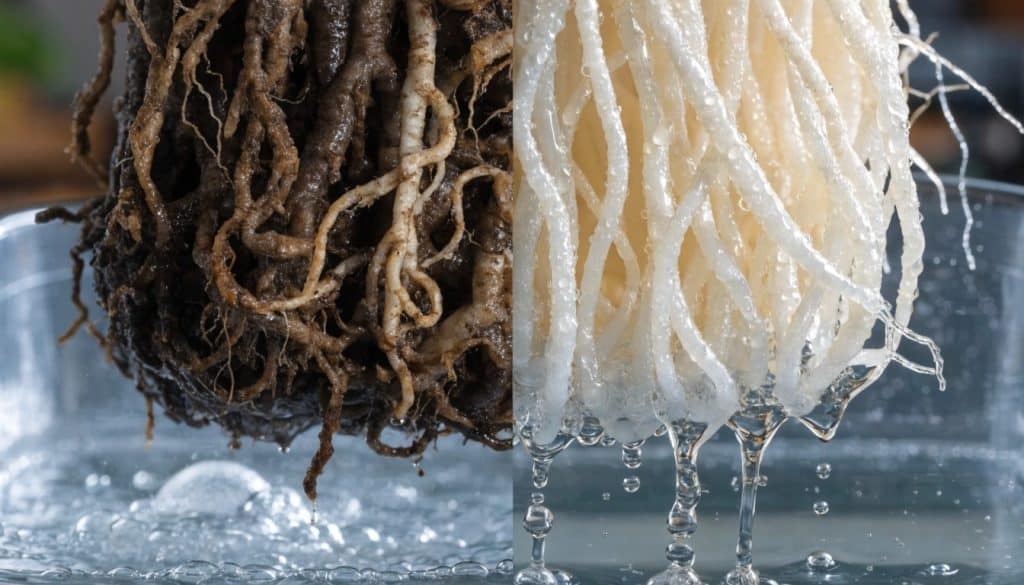
Yes, absolutely. Roots that are suffocating from a lack of oxygen cannot absorb nutrients. This root stress quickly shrinks your leaf size and drains the plant’s overall energy.
Your root health entirely dictates how well the plant performs above the water line. Even if your lights and nutrients are perfect, damaged roots simply cannot support big leaves. Many growers keep tweaking their fertilizers without realizing the roots are physically paralyzed and can’t drink what’s right in front of them.
Healthy mint roots should look bright white or cream-colored and feel firm when you touch them. If they look brown, mushy, or feel slimy, it’s a massive red flag that your oxygen levels crashed or root disease is taking over.
Leaving your water stagnant and low on oxygen eventually invites root rot, usually triggered by Pythium fungus. Catching oxygen issues early gives your mint the best shot at a clean recovery before the root system dies off.
Warning Signs of Poor Root Health
- Slime coating the roots.
- Roots turning a dull brown color.
- Growth slows down to a crawl.
- A sour or funky odor coming from the reservoir.
A healthy root system should feel clean, crisp, and firm. Inspect your roots regularly so you can stop diseases before they ever get the chance to ruin your leaf harvest.
How to Improve Root Oxygenation
- Drop in a new or upgraded airstone.
- Boost your dissolved oxygen levels.
- Hook up a more powerful air pump.
- Keep your nutrient water moving smoothly.
- Make sure you don’t have dead zones of stagnant water.
Many growers use beneficial bacteria or enzyme cleaners to shield their roots from root rot. Others prefer running a completely sterile system by using carefully managed hydrogen peroxide treatments.
Give your roots some time to heal. Severely stressed roots might need a couple of weeks to rebuild themselves before you see the leaves above start widening out again. But once those roots can breathe and drink efficiently, your mint will immediately shift into high gear and start pumping out massive, bushy foliage.
How pH Lockout Prevents Mint from Growing Larger Leaves
Even with adequate nutrients, incorrect pH can block nutrient uptake and lead to stunted growth.
Many growers assume small mint leaves automatically point to a nutrient deficiency. In reality, the nutrients may already be present in the reservoir. The problem is that the plant cannot access them efficiently because the pH has drifted outside the ideal range.
This situation, often called nutrient lockout, creates confusing symptoms. You might increase fertilizer because the plant appears deficient, only to see little improvement or even create new problems from excessive nutrient levels. Checking pH before adjusting nutrients can save both time and frustration.
Hydroponic mint generally performs best between pH 5.5 and 6.0, making these resilient herbs a good starting point for beginners, with pH 5.8 frequently used as a target. Outside this range, nutrients such as calcium, magnesium, and iron become less available to the plant.
Small pH fluctuations happen naturally in hydroponic systems, but large swings can interfere with growth. Regular monitoring allows you to catch issues early before they affect leaf development and overall plant vigor.
A drifting pH often creates confusing symptoms because deficiencies appear despite regular feeding.
Signs of pH-Related Growth Problems
- Slow development
- Small leaves
- Pale foliage
- Deficiency symptoms despite feeding
These symptoms can look very similar to true nutrient deficiencies. That is why experienced growers often check pH before changing their nutrient formula. Correcting pH sometimes leads to noticeable improvement within days as the plant regains access to essential nutrients.
To avoid false readings, regularly calibrate both your pH meter and EC meter. Even a small calibration error can lead to unnecessary adjustments and inconsistent results.
Do Temperature and Water Conditions Affect Leaf Size?
Temperature swings and warm reservoir water can increase plant stress and reduce leaf expansion.
Mint grows best under stable conditions. While it tolerates a range of temperatures, excessive heat places extra stress on both the plant and its root system. Many hydroponic growers notice smaller leaves and slower growth when reservoir temperatures remain too high for extended periods.
Warm water holds less dissolved oxygen. As oxygen levels drop, roots become less efficient at absorbing water and nutrients. This can create a chain reaction that leads to reduced vigor, slower growth, and undersized leaves.
As noted in a root climate analysis published via Frontiers in Plant Science,
“Root-zone temperature is a critical factor driving plant development. The research notes that changes in the root-zone climate drastically alter how crops allocate biomass, directly impacting final leaf expansion, overall plant growth, and crop yield quality.” –Root Climate analysis Frontiers in Plant Science.
Several hydroponic communities identify water temperatures above 24°C (75°F) as a common trigger for root problems. Maintaining a cooler root zone often improves overall plant performance.
Environmental stress can also appear as:
- Leaf curl
- Weak stems
- Slower recovery
- Reduced vigor
Small changes in the growing environment can have a noticeable impact. Improving airflow, reducing heat buildup around lights, or insulating reservoirs from direct light exposure may help stabilize conditions.
Environmental Factors to Review
- Reservoir temperature
- Air temperature
- Humidity level
- Low humidity
- Air circulation
Most growers see the best results when the root zone temperature remains between 18-22°C (64-72°F).
Stable environmental conditions support consistent growth. Sudden temperature swings force the plant to adapt repeatedly, using energy that would otherwise go toward producing larger leaves.
Does Pruning Help Mint Produce Bigger Leaves?
Strategic pruning encourages branching and healthier new growth, but excessive harvesting can temporarily reduce leaf size.
Mint naturally responds well to pinching. Removing the growing tips encourages side shoots to develop, creating a fuller, bushier plant. Over time, this growth pattern often leads to increased productivity and a healthier overall structure.
However, pruning works best when done in moderation. Removing too much foliage at once can stress the plant and slow recovery. Instead of focusing on leaf production, the plant shifts energy toward replacing lost growth.
Young plants are especially sensitive. Mint that has recently been transplanted or is still establishing roots may need extra time before handling regular harvesting.
Several situations can temporarily reduce leaf size:
- Transplant shock
- Overharvesting
- Root disturbance
- Rapid environmental changes
Understanding the plant’s growth stage helps determine how aggressively you should prune. Mature plants typically recover faster than newly established ones.
Proper Harvesting Practices
- Pinch growing tips regularly
- Remove weak stems
- Avoid stripping young plants
- Allow recovery time between major harvests
Healthy pruning should increase branching while preserving enough foliage for continued photosynthesis. Leaving sufficient leaves behind helps the plant maintain energy production and recover more quickly after harvesting.
Common Mistakes Hydroponic Growers Make with Mint
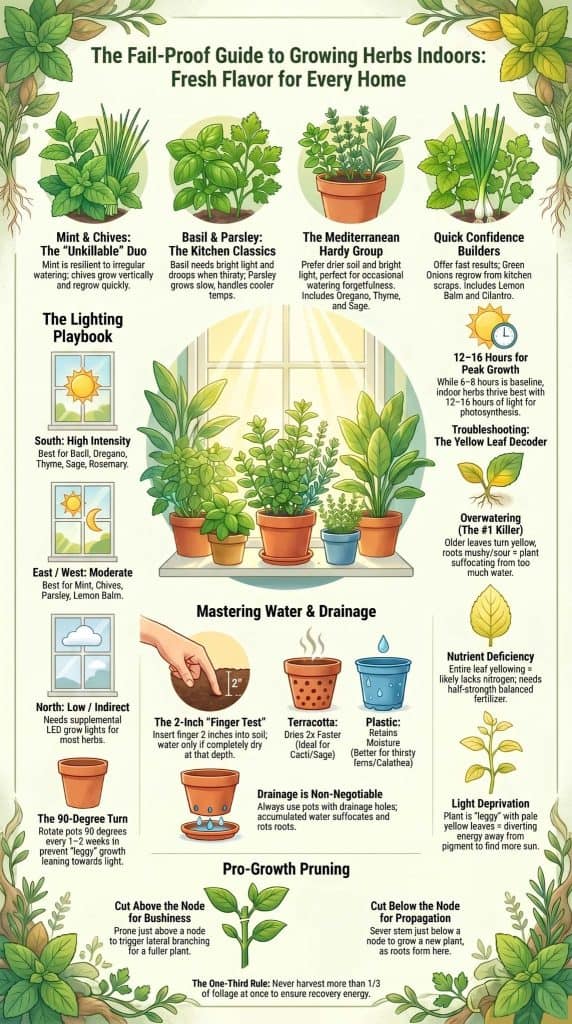
Many growers focus only on nutrients while overlooking light intensity, root oxygen, and pH stability.
Community discussions reveal a common pattern. A grower notices small leaves, increases fertilizer, and then accidentally creates additional issues such as nutrient burn or salt buildup. More nutrients rarely solve problems caused by poor lighting, unhealthy roots, or unstable environmental conditions.
Successful mint production depends on balancing several factors rather than maximizing one area. Addressing the basics first often leads to better results than adding supplements or changing nutrient formulas.
Three recurring issues appear more often than any others:
- Poor lighting
- Low oxygen
- Unstable pH
These three factors influence how effectively mint uses the nutrients already available in the system.
Mistakes to Avoid
- Weak lighting schedules
- Ignoring light intensity
- Overcrowded roots
- Small container size
- Skipping reservoir maintenance
- Ignoring algae growth
- Allowing light leaks
- Neglecting reservoir cleaning
- Using uncalibrated meters
- Chasing supplements before fixing fundamentals
Water quality also matters. Hard water, chlorine, sodium accumulation, and salt buildup can reduce performance over time. Starting with a consistent water source gives growers greater control over nutrient management.
Many experienced growers use reverse osmosis water and periodically flush their systems to maintain stable growing conditions.
What Should You Check First When Mint Leaves Stay Small?

Credits : M:C-AgriTech
Start with light, roots, pH, and nutrient strength before considering less common causes. A structured troubleshooting process prevents unnecessary adjustments and helps you identify the real issue more quickly. Instead of changing multiple variables at once, work through the most common causes in a logical order.
In many cases, one of these four areas explains why mint leaves remain undersized. Fixing the underlying problem often leads to healthier new growth within a few weeks.
4-Step Troubleshooting Framework
- Inspect roots for slime, discoloration, or rot.
- Verify pH remains near 5.8.
- Confirm EC matches the nutrient program.
- Evaluate light intensity and photoperiod.
These checks cover the most common factors affecting mint growth. If everything appears normal, you can begin exploring less frequent causes.
If all four areas check out, investigate secondary causes such as:
- CO2 deficiency
- Temperature stress
- Cold shock
- Heat stress
- Dwarfism
- Genetic traits
- Specific mint variety
For example, some spearmint and peppermint cultivars naturally produce smaller leaves than others. Comparing your plant to the typical characteristics of its variety can help set realistic expectations.
Taking a methodical approach reduces guesswork and prevents unnecessary changes. Small mint leaves usually result from a manageable issue, and identifying it early gives your plants the best chance to recover and thrive.
FAQ
Can cold water temperature alone cause hydroponic mint leaves to stay small?
Yes. A sudden cold shock below 18°C triggers stunted growth because root zone temperature directly dictates nutrient absorption.
Even with accurate EC level settings, freezing roots cannot absorb minerals properly, leading to slow growth and tiny leaves.
Keeping the reservoir between 18–22°C ensures healthy leaf expansion and rapid new growth recovery.
How do you tell the difference between nutrient deficiency and root rot causing small leaves?
Check root appearance. A nitrogen deficiency or magnesium deficiency causes pale leaves or iron chlorosis while roots stay white. Conversely, root rot caused by Pythium produces foul-smelling, brown roots and slime from low oxygen.
Immediate troubleshooting hydroponics requires a complete reservoir cleaning, checking your air pump, and applying hydrogen peroxide or beneficial bacteria.
Does pruning or overharvesting stress hydroponic mint enough to cause small new leaves?
Yes. Overharvesting creates intense pruning stress, forcing the plant to prioritize survival over leaf expansion. This results in stunted growth, weak stems, and tight internode spacing. For optimal mint care, trim less than one-third of the foliage.
This allows sufficient recovery time to sustain rapid vegetative development and prevent long-term plant dwarfism.
Can algae growth inside the reservoir affect hydroponic mint leaf size?
Absolutely. Algae blooms caused by a light leak consume valuable dissolved oxygen, suffocating the root zone. This low oxygen environment directly causes stunted growth and smaller hydroponic mint leaves.
Comprehensive algae prevention requires covering your reservoir tightly. Additionally, increasing nutrient change frequency and using an enzyme cleaner every two weeks will maintain a sterile system. (57 words)
How long does it take for hydroponic mint to recover and produce larger leaves?
It depends on the damage. Correcting a minor pH imbalance or adjusting light intensity with LED grow lights yields visible new growth within 7 to 14 days.
However, recovering from severe root rot, nutrient burn, or systemic temperature stress takes three to four weeks as the plant rebuilds its root network before expanding its canopy.
Why Are My Hydroponic Mint Leaves Small?
Small mint leaves can be frustrating when the plant looks healthy but growth never seems to improve. Weak light, stressed roots, and unstable water conditions often limit leaf size more than most growers realize. That’s usually where the problem starts.
The good news is that mint responds quickly when growing conditions become more consistent. Focus on healthy roots, proper lighting, and stable nutrient levels before trying extra products.
Tophydroponicgarden can help you fine tune the basics so your mint has the best chance to produce larger, healthier foliage over time.
Reference
- https://www.frontiersin.org/journals/plant-science/articles/10.3389/fpls.2022.799213/full
- https://www.mdpi.com/2311-7524/12/2/228
Related Articles
- https://tophydroponicgarden.com/are-herbs-a-good-starting-point-in-hydroponics/
- https://tophydroponicgarden.com/best-herbs-to-grow-in-a-hydroponic-garden/
- https://tophydroponicgarden.com/which-plants-can-share-a-hydroponic-system/
Was this helpful?

I’m Barrie L., a passionate hydroponic gardening enthusiast dedicated to cultivating thriving, soil-less gardens. With a focus on all things hydroponic, I share my expertise on innovative growing techniques and sustainable practices through my blog, tophydroponicgarden.com. As a seasoned hydroponics specialist, my goal is to inspire and guide fellow gardeners in harnessing the power of water-based cultivation for bountiful and eco-friendly harvests. I’m also an author of the book “Hydroponics For Absolute Beginners: Your Step By Step Guide For How To Create An Hydroponics System At Home Without Soil, For Growing Vegetable, Fruit And Herbs.” which is sold on Amazon. Join me on a journey of redefining the way we cultivate plants, one nutrient-rich solution at a time. Happy growing!