

A hydroponic starter kit is your best bet for growing indoors without soil. It needs to have everything included, a straightforward setup, and good lights. Hydroponic kits have grown in popularity as indoor gardening becomes more common.
A complete kit brings water, nutrients, and light together in one managed space. If you’re new to this and want to grow herbs or lettuce, your choice of kit really determines how well your first plants will do. Knowing the essentials from the start saves you from frustration and failed crops.
Let’s look at what makes a kit worth using.
Quick Picks Before You Choose a Hydroponic Starter Kit
Here’s a quick summary to help you focus on what really matters before buying your first setup.
- A complete hydroponic starter kit includes lighting, nutrients, pumps, and monitoring tools for one full cycle
- Simple systems like deep water culture and the Kratky method improve beginner success rates
- Durable materials and an expandable system design increase long-term value and reliability
Hydroponic Starter Kits Make Indoor Growing Feel Simple
Hydroponic starter kits make it easier to grow plants indoors, even if you’ve never tried it before, especially if you’re trying to start hydroponics on a budget without overcomplicating your first setup. Everything you need is usually packed into one setup. Water, nutrients, light. All working together.
No soil. That’s the shift.
Instead of dirt, plants sit in a nutrient solution. You control what they get, and when. It feels a bit more hands-on, but also more predictable. And honestly, that control is the whole point. According to data from Farmonaut, hydroponic systems use up to 90% less water than traditional agriculture, maximizing efficiency and sustainability as we move into 2026.
Studies show hydroponics can use up to 70–90% less water due to recirculation systems.
Brands like General Hydroponics, ZipGrow, and Fork Farms helped make these systems more accessible. Smaller. Cleaner. Less intimidating.
You’ll mostly see people grow herbs, leafy greens, and microgreens. Things that don’t demand too much space. A kitchen counter works. A windowsill too.
And the environment stays consistent. That’s a big deal. Fewer pests show up. Soil diseases, not really an issue anymore. Plants tend to grow faster. Not always dramatic, but noticeable.
For beginners, it just makes sense.
Core Factors That Actually Matter
A good kit is not about looking fancy. It’s about what’s inside. And what’s missing.
Start with the basics.
A reservoir that blocks light. Go for at least three gallons. Smaller ones run out fast, and algae loves light. You don’t want that fight.
Lighting matters more than people expect. LED grow lights with strong output will carry your plants. If the light is weak, everything else struggles. Simple as that.
Nutrients should be included. Something reliable, like the Flora Series from General Hydroponics, is often a safe starting point. You can experiment later.
Then there are the small tools. Easy to overlook. A pH meter. An EC or TDS tester. They sound technical, but they’re not hard to use. And they save you from guessing.
Because guessing leads to problems. Slow germination. Weak growth. Plants that just stall.
And yeah, it can get frustrating.
But when the setup is complete, when everything is there from the start, the whole process feels smoother. More forgiving. You notice the difference pretty quickly.
A Complete Hydroponic Starter Kit Includes All Essential Growing Components

A complete hydroponic starter kit should cover everything you need for one full growing cycle. Not just the basics, but the things people often forget. Reservoir, pumps, lighting, nutrients, monitoring tools. All of it matters.
When those pieces work together, the system feels stable. Roots get enough oxygen. Feeding stays consistent. Light hits where it should. And plants respond to that balance.
Research from University of Georgia (UGA) Extension shows:
“Regardless of which artificial light source you use, be sure you can adjust the max-height of the light, as it needs to start at a lower level above the seed trays and rise as the plants begin to germinate and grow. The kits will normally include the container for holding the water, some type of pump or aerator, the planting cups, and a growing medium for starting the seeds.” – University of Georgia (UGA) Extension
There’s research from the University of Arizona Controlled Environment Agriculture Center that points this out pretty clearly. Incomplete setups fail more often. Not sometimes. More often.
It’s usually the missing pieces that cause it.
Reservoir, Pumps, and Structure Form the System Foundation
The structure of the system decides how smoothly everything runs. Or doesn’t.
Start with the reservoir. It should block light. Always. Around three gallons or more works best, since smaller ones tend to swing too fast. Temperature shifts. Nutrient levels too. Plants feel that stress, even if you don’t notice it right away.
Insights from Singapore Food Agency (SFA) indicate:
“Design elements to consider [include] a dedicated watering top up point as it will make replenishing water (or nutrient solution) easy, without the need to remove plants to access the water reservoir. Usually a dedicated water access point can also be used as a water level monitoring window as well.” – Singapore Food Agency (SFA)
Then the pump. Water needs to move, not sit. A submersible pump in the range of 100 to 400 GPH usually does the job for small systems like a DWC setup or ebb and flow trays. Enough circulation keeps nutrients evenly distributed. Keeps roots active.
Some brands, like ZipGrow, build systems where structure and flow already work together. Less guesswork. Which is nice, especially early on.
Because when the base is solid, everything else feels easier. Growth becomes more consistent. Less random.
Grow Media and Monitoring Tools Support Root Development
Roots need the right environment. Not too wet, not too dry. Somewhere in between.
That’s where grow media comes in. Rockwool. Coco coir. LECA. Each one holds water a little differently, but also leaves space for air. That balance matters more than people think.
Cornell CEA research shows proper media like rockwool boosts root oxygenation and development significantly.
Then there’s monitoring. Easy to ignore at first. But important.
A pH meter kit keeps your solution in the right range
An EC or TDS tester shows how strong your nutrients are
Stable readings mean fewer nutrient problems, sometimes reducing risk by around 40 percent
Without these tools, you’re guessing. And guessing works, until it doesn’t.
Accurate data keeps things steady. Plants grow more evenly. Fewer surprises. Or at least fewer bad ones.
Beginner-Friendly Systems Like DWC and Kratky Increase Success Rates
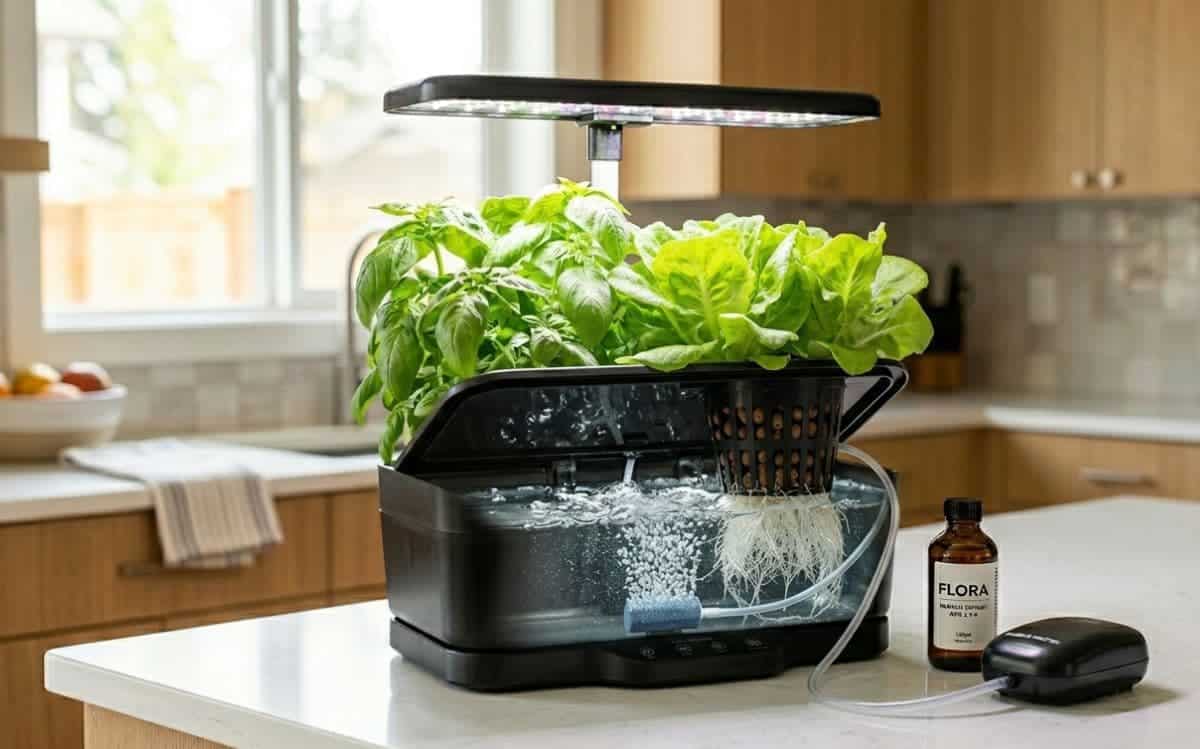
Simple systems tend to work better when you are just starting out, especially when choosing the best system for beginner hydroponics that minimizes complexity and improves early success rates. Less to manage, less to worry about. And that usually means better results.
Methods like deep water culture and the Kratky approach keep things straightforward. You are not juggling too many variables at once. That alone makes a difference.
Fork Farms reports high success rates (80-95%) for beginners with DWC, due to consistent oxygenation. Mostly because oxygen and nutrients stay consistent. Plants like consistency. They really do.
And when things feel stable, you’re more likely to stick with it.
Passive Systems Reduce Mechanical Failure Risks
Passive systems strip things down. No moving parts. No pumps humming in the background.
The Kratky method is a good example. It just sits there, quietly doing its job. No electricity needed. No complicated setup either.
That simplicity lowers the chance of something breaking. Which, honestly, is a big relief when you are new.
You will often see these systems used for:
- Lettuce kits on a small scale
- Basil growing setups in kitchens
- Microgreens grown in trays, simple and quick
And it feels manageable. Less maintenance. Fewer things to check every day. Almost calm.
Active Systems Provide Better Oxygenation but Require Monitoring
Active systems take things a step further. More control, more performance. But also more responsibility.
A DWC system, for example, uses an air pump and air stones to push oxygen straight to the roots. That extra oxygen can speed up growth. Plants absorb nutrients faster. You see it.
But here’s the catch. Everything needs to keep running. If the pump stops, even for a while, roots can suffer. Quickly too.
More advanced setups like nutrient film technique, NFT systems, or even aeroponics can be very efficient. Almost impressive. But they demand attention. Regular checks. Adjustments.
So there’s a balance. Performance on one side, simplicity on the other.
And for beginners, leaning slightly toward simple usually works better. At least in the beginning.
Lighting Quality Directly Impacts Growth Speed and Yield
Lighting can make or break your setup. Seriously. You can get everything else right, but weak lighting will slow things down.
Full spectrum LED lights tend to work best indoors. They mimic natural sunlight closely enough, and plants respond to that. Growth feels more active. More alive, even.
There’s research from Philips Horticulture that shows plants can grow around 25 to 50 percent faster under proper full spectrum lighting compared to poor setups. That gap is hard to ignore.
So yes, lighting matters. A lot more than people expect at first.
Light Intensity and Coverage Must Match Plant Needs
It’s not just about having a light. It’s about how strong it is, and how evenly it spreads.
For leafy greens, a PPFD range around 200 to 400 usually works well. Enough energy for photosynthesis, without overwhelming the plants.
But uneven lighting? That’s where problems show up.
Some plants stretch. Others stay small. Growth becomes inconsistent, and it’s frustrating to look at. You start wondering what went wrong.
Even coverage fixes that. Keeps everything growing at the same pace. More uniform. Cleaner results.
And honestly, it just looks better too.
Automation Improves Lighting Consistency
Manual control works, but it gets tiring. You forget one day, then another. It happens.
Automation helps smooth that out.
A simple timer can handle lighting cycles, usually somewhere between 12 to 18 hours a day. Once it’s set, you don’t think about it much. Which is kind of the point.
Guidance from Michigan State University Extension suggests consistent light schedules improve yield predictability. Not just growth, but how reliable that growth becomes.
This works especially well in enclosed setups. Grow tents, small indoor systems. Spaces where you can control light and airflow together.
And when everything stays consistent, plants respond faster. Harvests come sooner. Or at least, more predictably.
Which, in the long run, makes the whole process feel easier.
Ease of Use Strongly Influences Beginner Retention
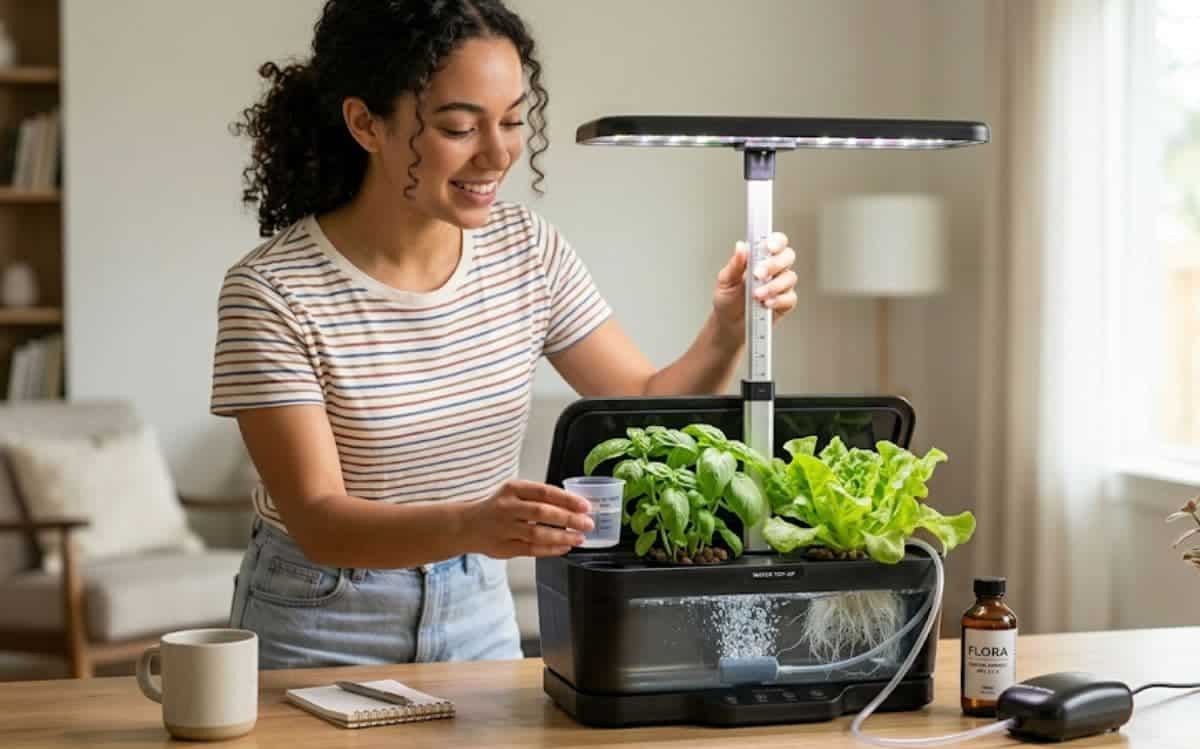
Ease of use matters more than most people expect. At the start, especially.
If a system feels complicated right away, people tend to give up. Not because they can’t do it, but because it feels like too much. Too soon.
Anecdotal reports indicate ~30-40% of beginners abandon complex setups early due to maintenance demands. Complex setups, confusing instructions, or systems that demand too much attention. You’ll see this happen with advanced NFT configurations, or even certain kits from AeroGarden that aren’t as beginner friendly as they look.
So yes, simplicity isn’t just nice. It keeps people going.
Plug and Play Design Reduces Setup Friction
A good starter kit should feel easy from the first moment.
Less assembly. Fewer steps. You open the box, set things up, and you’re already growing something. That early win matters.
Clear instructions help too. Not overly technical, not confusing. Just enough guidance to get you through the setup without second guessing everything.
And when setup is quick, results come faster. Even small progress, like seeing the first sprouts, can keep you motivated.
That feeling. It sticks.
Automation Features Improve Daily Management
Automation simplifies ongoing maintenance.
- App controlled hydro systems like LetPot track growth conditions
- Built-in timers regulate lighting and pumps
- Alerts help detect issues early
Automation reduces the need for constant manual adjustments and supports consistent system performance.
Durable Build Quality Prevents Common Hydroponic Failures
Build quality doesn’t always get attention at first. But it should.
A system might look good out of the box, clean design, compact, everything neat. Then a few weeks pass. Small issues show up. Leaks. Weak pumps. Things start to wear down faster than expected.
Common hydroponics issues include pump failures (~25-35% per user reports), often from low-quality parts. That’s a lot. And most of it traces back to cheap components.
So yeah, durability matters. More than it seems at the beginning.
Material Quality Determines Longevity
The materials tell you how long a system will last. Simple as that.
Reservoirs made from food grade plastic are a safer choice. They help prevent contamination, especially over longer growing cycles. You don’t always see the difference right away, but it’s there.
Pumps matter too. Better systems use components that resist corrosion, even with constant exposure to water and nutrients. Lower quality ones tend to wear out faster. Sometimes quietly, until something stops working.
Stronger materials don’t just last longer. They reduce those small, annoying failures that add up over time.
And honestly, fewer problems makes the whole experience better.
Replaceable Parts Improve Long-Term Value
Things will wear out eventually. That’s normal.
But a good system lets you replace parts instead of the whole setup. That’s where modular design comes in.
You can swap out a pump. Change tubing. Replace air stones when they lose efficiency. Small fixes, not full replacements.
It keeps costs lower in the long run. More importantly, it keeps your growing cycle going without interruption.
Which is what you want, really. A system that keeps up with you, not one you have to keep restarting.
Balanced Nutrients Are Critical for Healthy Plant Growth
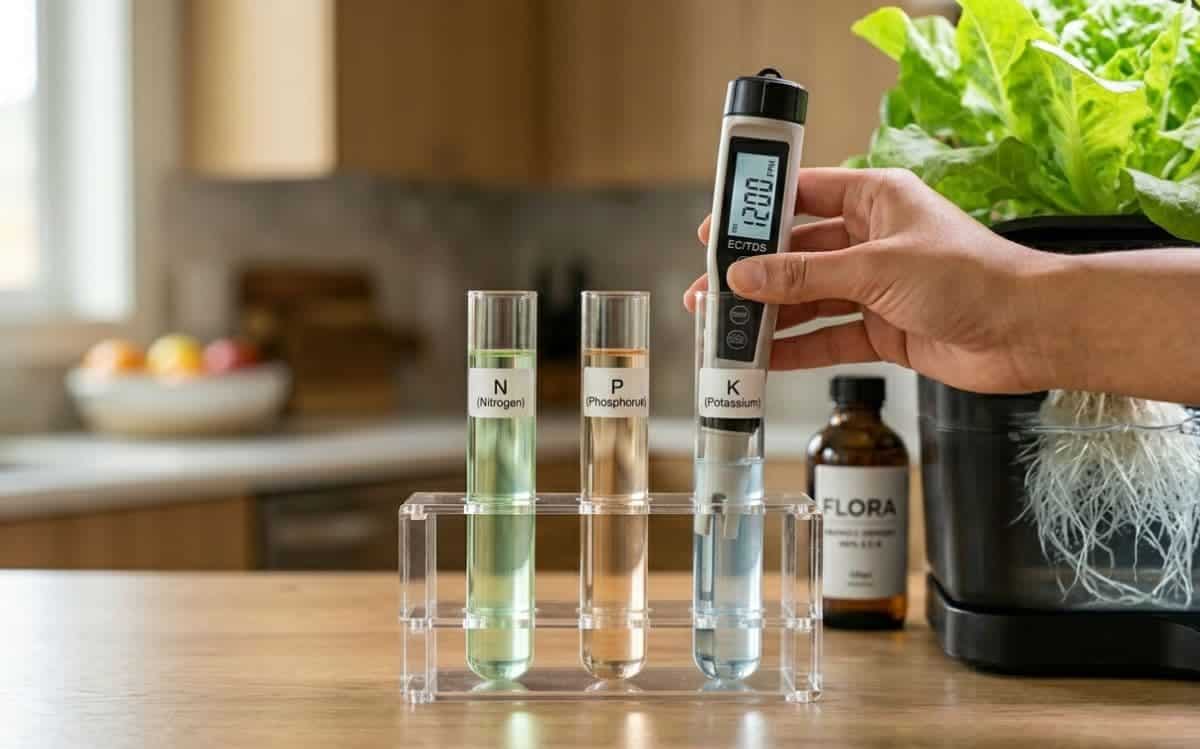
Nutrients are where everything comes together. Or falls apart.
In hydroponics, plants rely entirely on what you give them. There’s no soil to buffer mistakes. No backup. Just the solution.
And when that balance is off, plants react fast. Slower growth. Pale leaves. Lower yields. Even in a controlled setup.
Guidance from the USDA points out that poor nutrient balance can cut yields by up to 40 percent. That’s not a small margin.
So yes, getting this right matters. A lot.
Macro and Micro Nutrients Must Be Properly Balanced
Plants need a mix of nutrients, not just one or two.
Macro nutrients like nitrogen, phosphorus, and potassium drive the big processes. Growth, roots, overall structure.
Then there are the micro nutrients. Calcium, magnesium, iron. Smaller amounts, but still essential. Without them, things start to break down in subtle ways.
Balanced solutions make this easier. Products like FoxFarm trio or the Flora series from General Hydroponics are designed to cover different growth stages. You don’t have to mix everything from scratch.
Which, honestly, helps avoid a lot of early mistakes.
Additives Help Stabilize Nutrient Conditions
Even with a good base nutrient mix, small adjustments are often needed.
Cal mag supplements help prevent common deficiencies. Especially in fast growing plants. You’ll notice the difference when leaves stay healthy, not brittle or spotted.
Then there’s pH control. It drifts. Always does.
Using pH up and down solutions keeps things within the right range, so nutrients stay available to the plant. Without that, even a perfect mix won’t work as expected.
For more detailed guidance, resources from the University of Florida IFAS Extension go deeper into nutrient management. Practical, research based, and actually useful.
Stable nutrients lead to steady growth. Fewer surprises. Better yields.
And over time, you start to trust the process a bit more.
Budget Directly Affects Features but Mid-Range Kits Offer Best Value

Source: Humble Growth
Mid-range hydroponic kits provide the best balance between affordability, completeness, and durability, especially when you consider the long-term cost to run a hydroponic system beyond just the initial setup.
| Tier | Price | Key Features | Limitations |
| Low | <$70 | Basic systems like Kratky method | Limited components |
| Mid-range | $70–$150 | Full kits with lighting and pumps | Moderate scalability |
| Premium | $150+ | Smart automation systems | Higher maintenance |
Mid-range kits often include enough supplies for 1-2 full growth cycles, especially from brands like ZipGrow.
Spending slightly more upfront reduces upgrade costs and improves early growing results.
FAQs
What should I check first in a hydroponic starter kit?
You should check whether the hydroponic starter kit includes all essential components. These include a reservoir tank, air pump, water pump, grow medium, and LED grow lights. A complete indoor grow kit should also include net pots, seed starter plugs, and a proper nutrient solution mix to support healthy plant growth from the beginning.
Which system is easiest for beginner hydroponics?
The easiest systems for beginner hydroponics are the Kratky method and the DWC system. The Kratky method does not require pumps and is simple to manage. A DWC system uses an air pump and air stones to provide better root zone oxygen, but it requires basic monitoring to maintain stable conditions.
What tools help maintain nutrient balance in hydroponics?
To maintain proper nutrient balance, you need a pH meter kit and an EC TDS tester. The pH meter kit helps you adjust pH up down levels, while the EC TDS tester measures nutrient concentration. These tools help ensure that macro nutrients and micro nutrients remain balanced in the nutrient solution mix for consistent plant growth.
What grow medium works best for root development?
The best grow medium depends on your system and plant type. Rockwool cubes provide strong water retention, while clay pebbles or LECA media improve aeration. Coco coir offers a balance between water retention and airflow. Choosing the right aeration media supports healthy root development and improves overall plant performance.
How do I prevent common hydroponic system failures?
You can prevent common hydroponic system failures by maintaining stable conditions and using reliable components. Use an opaque bucket for algae prevention and monitor water levels regularly. Choose a submersible pump with an appropriate GPH flow rate, and use timer controls and a surge protector to protect your system and ensure consistent operation.
Start Strong With a Setup That Actually Works
You set things up, check your plants daily, and still deal with slow growth or random issues that make no sense. It gets frustrating fast. Most starter kits look good at first but fall short when you try to scale or keep things consistent.
That’s where a smarter choice like Build your ideal hydroponic system today comes in, it gives you a setup that’s easy to manage and built to grow with you. You don’t need to keep fixing problems or replacing parts, you just get steady results and a system you can rely on.
References
- https://www.forkfarms.com/blog/what-to-look-for-in-an-all-in-one-hydroponic-farm-kit
- https://farmonaut.com/blogs/hydroponic-agriculture-system-boosting-yields-2026
Related Articles
- https://tophydroponicgarden.com/how-to-start-hydroponics-on-a-budget/
- https://tophydroponicgarden.com/which-hydroponic-system-is-best-for-beginners/
- https://tophydroponicgarden.com/how-much-does-it-cost-to-run-a-hydroponic-system/
Was this helpful?
