

What plants have high nutrient requirements is a common question when a garden looks healthy at first but starts slowing down after strong growth. Some plants simply use more nutrients because they grow large leaves, produce heavy fruit, or stay in the system longer before harvest.
In hydroponics, this matters because plants depend directly on the nutrient solution. If high-feeding crops do not get enough support, they may show pale leaves, weak stems, slow fruiting, or poor harvest quality. Read below to identify heavy-feeding plants and feed them without overdoing it.
The Heavy Feeder Checklist for Growers
- Fruiting crops usually need more support: Tomatoes, cucumbers, peppers, melons, and squash often need more nutrients than simple herbs.
- Fast growth increases demand: Plants that grow quickly or produce large leaves can pull nutrients from the solution faster.
- Feeding must match plant stage: Young plants need gentle feeding, while mature fruiting plants usually need stronger nutrient support.
The goal is not to feed every plant heavily. The goal is to understand which plants need more, when they need it, and how to avoid nutrient stress.
Why Some Plants Need More Nutrients Than Others
Plants do not all feed the same way. A small herb plant does not use nutrients like a tomato vine loaded with fruit. Large plants need more energy to build stems, leaves, flowers, and harvestable parts.
High-feeding crops often have long growing periods. They stay in the system longer, so they use more nitrogen, potassium, calcium, magnesium, and other nutrients over time.
UVM Extension explains:
“Heavy feeders are those that have higher nutrient needs.” – UVM Extension
That idea applies well to hydroponics too. The grower must keep the nutrient solution balanced because the plant cannot search through soil for extra minerals.
What plants have high nutrient requirements usually depends on crop type, growth speed, plant size, and fruit production. A crop that produces many fruits or large leaves usually needs closer nutrient monitoring than a small, slow-growing herb.
9 Plants With High Nutrient Requirements
The easiest way to answer what plants have high nutrient requirements is to look at crops that grow fast, stay productive, or produce heavy harvests. These plants often need more careful feeding than beginner herbs or small greens.
| Plant | Why It Needs More Nutrients | Main Feeding Focus |
|---|---|---|
| Tomatoes | Long growth and heavy fruiting | Potassium, calcium, nitrogen |
| Cucumbers | Fast vines and frequent fruit | Nitrogen, potassium, magnesium |
| Peppers | Fruiting over many weeks | Potassium, calcium, balanced nitrogen |
| Squash | Large leaves and heavy fruit | Nitrogen and potassium |
| Melons | Long vines and sweet fruit | Potassium and steady water balance |
| Corn | Tall growth and strong stems | Nitrogen |
| Cabbage | Large head formation | Nitrogen and sulfur support |
| Broccoli | Leaf growth and flower heads | Nitrogen and balanced minerals |
| Leafy greens | Fast repeated leaf growth | Nitrogen and stable EC |
Not every crop needs the same nutrient strength. Tomatoes and cucumbers often need stronger support during fruiting, while leafy greens need stable feeding without excessive strength.
Fruiting Plants Are Usually the Hungriest

Fruiting crops are often the first group to check when asking what plants have high nutrient requirements. Tomatoes, cucumbers, peppers, squash, and melons use nutrients for roots, stems, leaves, flowers, and fruit at the same time.
That makes their feeding demand higher than many herbs or quick greens. If the nutrient solution is too weak, plants may grow leaves but produce fewer fruits. If the solution is too strong, roots can become stressed.
Ohio State University explains that fruiting tomato plants need increased levels of nutrients such as nitrogen, calcium, and potassium during early fruiting because developing fruits demand more nutrients. – Ohio State University
This is why fruiting crops should not be treated like lettuce. They need a feeding plan that changes as the plant matures.
In hydroponics, an EC meter can help growers track nutrient strength instead of guessing from plant appearance alone.
Leafy Greens Can Feed Heavily When They Grow Fast
Leafy greens are not always as demanding as tomatoes, but they can still become heavy feeders when growth is fast. Lettuce, kale, spinach, Swiss chard, and Asian greens can use nutrients quickly when light, temperature, and water flow are stable.
These crops rely strongly on nitrogen because nitrogen supports leaf growth. If nitrogen is too low, leaves may become pale, small, or slow to regrow after cutting.
However, leafy greens can also suffer when the solution is too strong. Overfeeding may cause burnt edges, bitter taste, or root stress.
So what plants have high nutrient requirements is not only about fruiting plants. Some leafy crops also need steady feeding, especially when growers harvest outer leaves repeatedly.
The safe approach is to watch both plant color and nutrient strength. A deep green leaf is not always better if growth becomes soft, weak, or overly stretched.
Heavy Feeders vs Moderate and Light Feeders
Not all plants belong in the same feeding group. Heavy feeders need closer nutrient support, moderate feeders need balanced care, and light feeders can often grow well with gentler feeding.
| Feeding Group | Plant Examples | Feeding Style |
|---|---|---|
| Heavy feeders | Tomatoes, cucumbers, peppers, squash, cabbage | Stronger and more consistent feeding |
| Moderate feeders | Lettuce, kale, basil, beans, carrots | Balanced feeding with regular checks |
| Light feeders | Some herbs, peas, small greens | Gentle feeding and lower risk of overuse |
| Stage-dependent feeders | Strawberries, eggplants, melons | Feeding changes with flowering and fruiting |
This grouping helps prevent two common mistakes. The first mistake is underfeeding plants that need more support. The second mistake is overfeeding light crops because the grower uses one strong solution for everything.
For beginners comparing plant difficulty, Top Hydroponic Garden’s guide to best plants for beginners in hydroponics can help separate easy crops from plants that need closer feeding control.
Signs a Plant Needs More Nutrient Support
A high-feeding plant does not always show hunger right away. Early signs can look small, so growers may ignore them until the plant slows down.
Common signs include pale new leaves, slow growth, weak stems, small fruit, poor flowering, and older leaves yellowing too early. In fruiting crops, blossom end rot may also appear when calcium movement is poor, especially when water balance is unstable.
What plants have high nutrient requirements becomes easier to understand when you compare crop behavior. A tomato plant with flowers and fruit needs more support than a young seedling. A cucumber vine producing daily harvests needs more support than a small basil plant.
Do not fix every symptom by adding more fertilizer. Check pH, EC, water temperature, root health, and light first. Nutrient problems often appear when one of those factors blocks uptake.
How to Feed High-Nutrient Plants Without Overfeeding
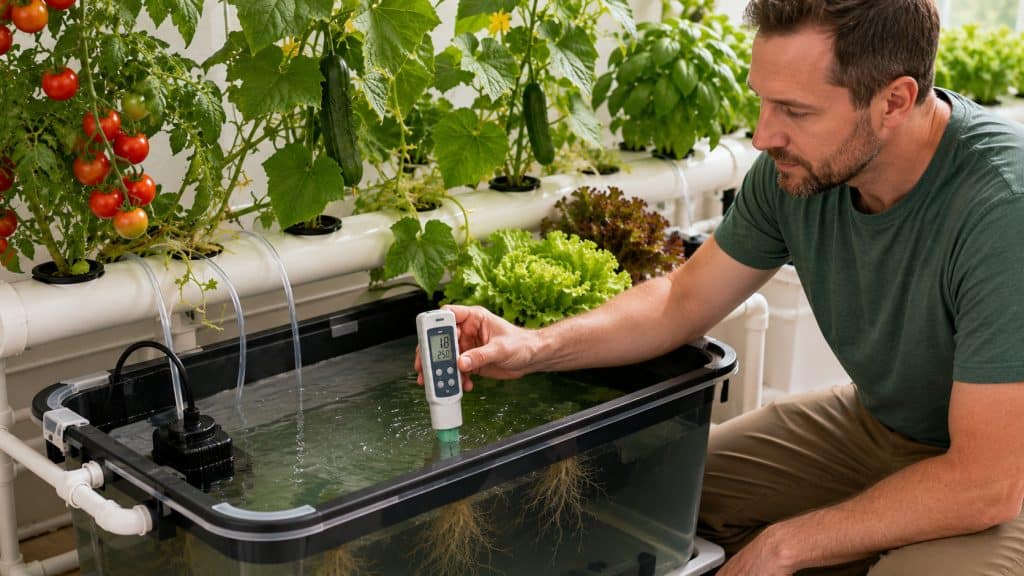
High-feeding plants need enough nutrients, but more is not always better. Overfeeding can create salt buildup, root stress, nutrient lockout, and leaf burn.
Start with the crop stage. Seedlings usually need mild nutrient strength. Mature fruiting plants can handle stronger feeding, but only when roots are healthy and pH is stable.
Increase nutrient strength slowly. Sudden changes can shock roots. If plants look hungry, adjust step by step and observe them for several days.
Keep water level consistent. When water drops but minerals remain, the solution can become stronger than expected. This is one reason EC checks matter in hydroponics.
Top Hydroponic Garden’s guide to hydroponic mistakes troubleshooting can help identify whether the problem is nutrient strength, pH, roots, or system care.
Watch How Vegetable Feeding Works Before Adjusting Nutrients

Credits: Growfully with Jenna
This video is useful for understanding how vegetable plants are fed and why different crops may need different support. Use it as a basic feeding reference, then adjust carefully for hydroponic systems because nutrient solution management is more direct than soil feeding.
Do not copy soil fertilizer amounts into hydroponics. Use the video to understand feeding concepts, not as a hydroponic mixing recipe.
Common Mistakes With High-Nutrient Plants
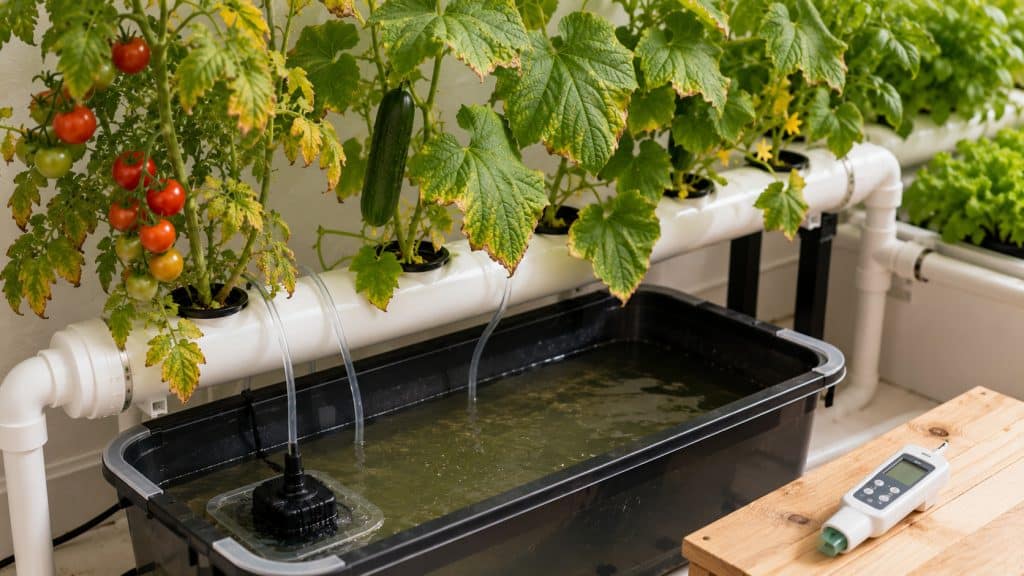
The first mistake is feeding all plants the same way. Basil, lettuce, tomatoes, and cucumbers do not need identical nutrient strength.
The second mistake is increasing nutrients before checking pH. If pH is off, plants may not absorb nutrients well even when the solution is strong.
The third mistake is ignoring plant stage. A young tomato plant and a fruiting tomato plant have different needs.
Another mistake is chasing dark green growth. Too much nitrogen can create leafy growth while fruiting becomes weaker.
The final mistake is not watching water level. When water evaporates or plants drink heavily, nutrient concentration can change quickly.
What plants have high nutrient requirements should guide your feeding plan, but it should not encourage random overfeeding.
Simple Feeding Priority Chart
Use this chart when deciding which crops need closer monitoring.
| Priority Level | Crop Type | What to Watch |
|---|---|---|
| Very high | Fruiting tomatoes, cucumbers, peppers | EC, calcium, potassium, pH stability |
| High | Squash, melons, cabbage, broccoli | Nitrogen, potassium, steady growth |
| Medium | Lettuce, kale, chard, basil | Nitrogen balance and leaf quality |
| Lower | Small herbs and quick microgreens | Gentle feeding and clean water |
| Stage-based | Strawberries and eggplants | Flowering, fruiting, and root health |
This chart is not a fixed rule for every garden. Light, temperature, system type, and variety can change how much a plant needs.
A crop with high nutrient demand still needs balance. Strong feeding only works when roots, oxygen, water flow, and pH are also managed well.
FAQ
What plants have high nutrient requirements in a home garden?
Tomatoes, cucumbers, peppers, squash, melons, corn, cabbage, broccoli, and fast-growing leafy greens often have high nutrient requirements because they grow large, produce fruit, or need strong leaf development.
Are tomatoes high nutrient plants?
Yes. Tomatoes are high nutrient plants, especially during flowering and fruiting. They need steady support from nutrients such as nitrogen, potassium, calcium, and magnesium.
Do leafy greens have high nutrient requirements?
Some leafy greens can have high nutrient needs when they grow quickly or are harvested repeatedly. Lettuce, kale, spinach, and Swiss chard need steady nitrogen, but they can suffer if the solution is too strong.
How do I know if a plant needs more nutrients?
Watch for pale leaves, slow growth, weak stems, small fruit, poor flowering, or early yellowing. In hydroponics, also check pH and EC before adding more nutrients.
Can high-nutrient plants be overfed?
Yes. High-nutrient plants can still be overfed. Too much nutrient strength can cause root stress, leaf burn, salt buildup, or nutrient lockout.
Feed Hungry Plants With Balance, Not Guesswork
What plants have high nutrient requirements depends on growth speed, plant size, fruiting demand, and harvest style. Tomatoes, cucumbers, peppers, squash, melons, cabbage, broccoli, corn, and fast-growing leafy greens often need closer feeding support than small herbs.
The safest approach is balanced monitoring. Check the crop stage, watch leaf color, test EC, keep pH stable, and adjust nutrients slowly.
For Top Hydroponic Garden readers, the goal is not to push every plant with stronger feeding. The goal is to recognize hungry crops early and support them without creating root stress or nutrient imbalance.
References
- https://www.uvm.edu/extension/news/give-your-vegetables-mid-season-boost
- https://cfaes.osu.edu/fact-sheet/hydroponic-nutrient-solution-optimized-greenhouse-tomato-production
Related Articles
- https://tophydroponicgarden.com/ec-meter/
- https://tophydroponicgarden.com/hydroponic-mistakes-troubleshooting/
- https://tophydroponicgarden.com/best-plants-for-beginners-in-hydroponics/
Was this helpful?
I’m Barrie L., a passionate hydroponic gardening enthusiast dedicated to cultivating thriving, soil-less gardens. With a focus on all things hydroponic, I share my expertise on innovative growing techniques and sustainable practices through my blog, tophydroponicgarden.com. As a seasoned hydroponics specialist, my goal is to inspire and guide fellow gardeners in harnessing the power of water-based cultivation for bountiful and eco-friendly harvests. I’m also an author of the book “Hydroponics For Absolute Beginners: Your Step By Step Guide For How To Create An Hydroponics System At Home Without Soil, For Growing Vegetable, Fruit And Herbs.” which is sold on Amazon. Join me on a journey of redefining the way we cultivate plants, one nutrient-rich solution at a time. Happy growing!