

Hydroponics does have a learning curve, but it’s very learnable if you give it a bit of focus and patience.
You’re trading soil’s natural safety net for a system where you control water, nutrients, and air, so mistakes show up faster, and teach faster too.
New growers usually struggle with pH, mixing nutrients, and getting enough oxygen to the roots, but these are skills, not mysteries.
Within a few weeks of practice and small tweaks, you can have a simple system running and producing. Keep reading to see what to learn first, what to ignore, and how to reach your first harvest.
Key Takeaways
- Master pH and nutrient balance first, as they are the most common failure points.
- Start with a passive, simple system like the Kratky method to minimize variables.
- Expect 1-6 months to reliable yields, varying by system and experience.
The Initial Hurdle: Why Hydroponics Feels Hard

You look at a lush hydroponic garden and it seems like magic. The reality is more science than sorcery.
The biggest shock for beginners is the loss of soil’s natural buffering. Soil slowly releases nutrients and stabilizes pH. In hydroponics, you are the buffer.
Every variable is your direct responsibility. This creates a steep initial learning curve centered on chemistry and observation.
Common early mistakes are almost universal. You might mix nutrients too strong, burning delicate roots. Or you’ll ignore pH until plants yellow from nutrient lockout.
The water temperature might creep up, starving roots of oxygen. These aren’t failures, they’re lessons. They teach you the non-negotiable rules of the system. The first few weeks are less about growing plants and more about learning to listen to them.
- pH Management: Keeping water between 5.5 and 6.5 is critical.
- Nutrient Concentration: Avoiding both starvation and fertilizer burn.
- Root Oxygenation: Ensuring water has enough dissolved oxygen.
- Environmental Control: Managing light, temperature, and humidity [1].
The initial investment isn’t just in equipment. It’s in time spent understanding these core principles. A short online course, maybe four to six hours, can compress weeks of potential frustration into a manageable foundation. It’s the fastest way to flatten that first steep climb.
Your First Six Weeks: From Theory to First Leaves
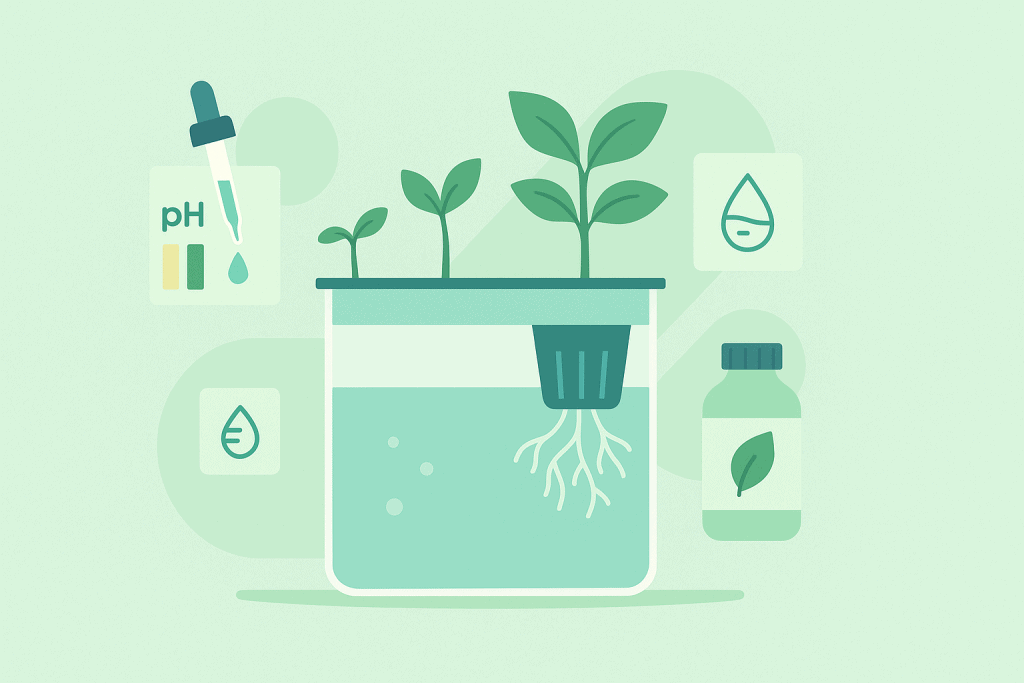
The first phase is about action. After your initial research, you build something. The best choice is a passive system.
The Kratky method is ideal. It has no pumps or moving parts. You just need a container, a lid, a net pot, some growing medium, and your nutrient solution.
It’s hydroponics in its simplest form. This simplicity lets you focus on the fundamentals without troubleshooting equipment.
Your daily routine begins. You check pH levels with a simple dropper kit. You monitor the water level as plants drink. You look for signs of stress in the leaves. This hands-on period is where knowledge sticks.
A pH drift that you catch and correct teaches you more than any textbook. Starting with forgiving crops like lettuce or basil provides a safety net. They can tolerate beginner errors that would kill a tomato plant.
If you want a simple setup, consider learning from how to build a simple hydroponic setup to get started with few complications.
for fast crops like lettuce under optimal light/temp. You’ll see germination, then true leaves, and finally, steady growth. Your goal isn’t a massive harvest. It’s a healthy plant.
By the end of the first month, you should have a functioning system and a basic understanding of its rhythm.
The daily monitoring starts to feel less like a chore and more like a conversation with your plants. You begin to see the cause and effect of your adjustments.
Months Two and Three: The Art of Troubleshooting
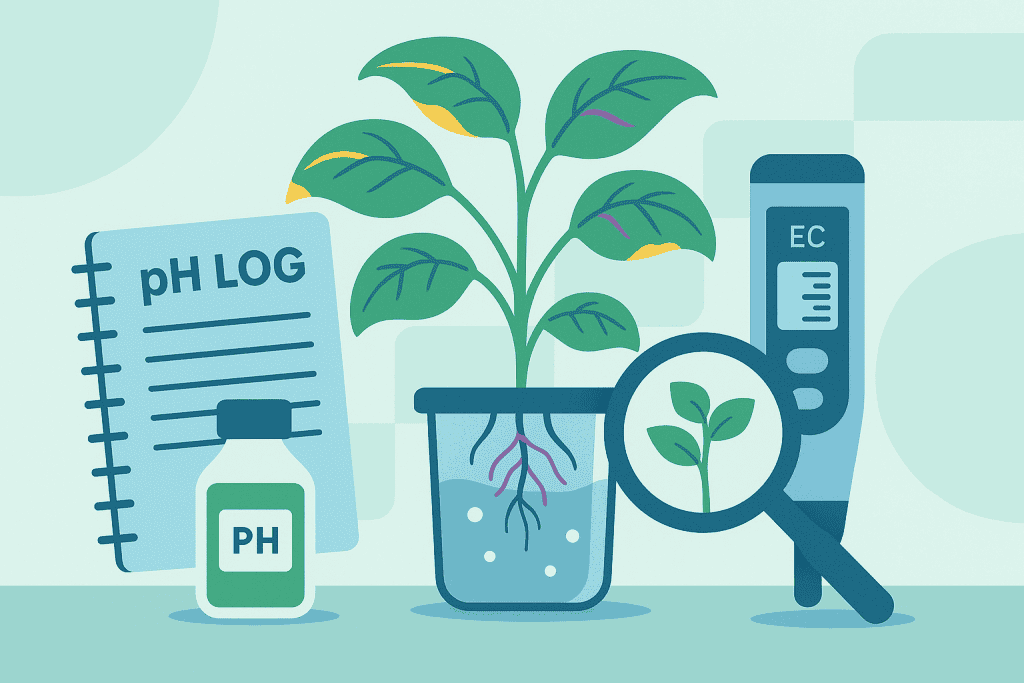
Now you enter the troubleshooting phase. Your first crops are growing, but problems will arise. This is where you deepen your skills.
Purple veins may signal phosphorus deficiency or other issues; consult charts. Or tips might burn from nutrient buildup. This is the critical shift from following instructions to diagnosing issues. You learn to read the plant’s language.
Keeping a detailed log becomes invaluable. Note your pH readings, nutrient additions, and any plant changes. When something goes wrong, you have a history to review. You might realize that a pH swing always follows a nutrient top-up.
This data turns random events into predictable patterns. It’s also the time to consider simple tools. A cheap TDS meter to measure nutrient strength can prevent many problems before they start.
Avoiding common misconceptions about hydroponics can save you time and frustration in this phase.
This period, often lasting one to three months, is about achieving consistency. You’re moving from just keeping plants alive to actively optimizing their health.
You successfully harvest your first lettuce or basil. More importantly, you understand why you succeeded. You’ve internalized the balance between water, nutrients, and light. The system is no longer a mysterious box but a predictable environment you control.
Scaling Up: Beyond the Basics
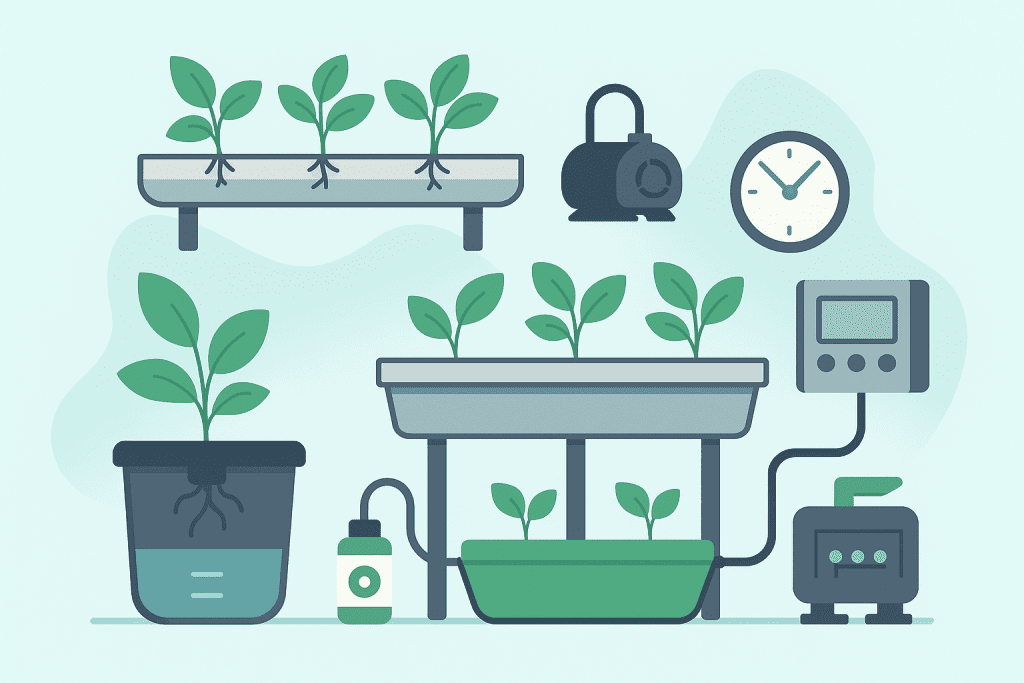
After a few months of success with a simple system, you might feel the pull to expand. This is where you graduate to more active hydroponic methods.
Systems like Nutrient Film Technique (NFT) or ebb and flow introduce new variables. Pumps, timers, and more complex plumbing become part of your world. The learning curve here is less about core principles and more about system management.
The skills you built earlier are your foundation. You already know how to manage pH and nutrients. Now you apply that knowledge to a larger, faster-moving system. You might experiment with automation.
A pH controller that doses correction solution automatically. A timer that manages flood and drain cycles. This phase is less about survival and more about optimization and yield. You might try growing more demanding crops like strawberries or peppers.
For those interested in low-maintenance options, understanding is hydroponics a set it and forget it system can guide your choice of system.
Adjust to “2-6 months post-basics mastery. The goal shifts from growing plants to running a smooth operation.
You learn about crop scheduling for continuous harvests. You understand how to scale your nutrient mixing for larger volumes.
The initial steep curve has leveled out into a steady climb of refinement. The challenges are more about engineering and efficiency than fundamental biology.
The Realistic Path Forward
The hydroponics learning curve isn’t a cliff, it’s a staircase. The first steps are the steepest, demanding you learn a new language of plant care.
Each phase builds on the last. Mastering a Kratky system gives you the confidence for a DWC setup or wick system as intermediate passive options. Success with DWC prepares you for an NFT channel. The timeline of weeks for basics and months for consistency isn’t a rigid rule, it’s a common rhythm [2].
Your journey will be unique, filled with your own small failures and big victories. The key is to start simple, pay close attention, and embrace the process of problem-solving. The initial effort pays off in the form of rapid growth and fresh, homegrown food.
Don’t aim for perfection out of the gate. Aim for understanding. Choose one simple system, gather your basic tools, and start the conversation with your first plant. The rest will follow.
FAQ
What do total beginners need to know before they start hydroponics?
Total beginners should start with hydroponics basics and a clear hydroponic beginner guide. These help you understand the hydroponic skill level needed for early success.
Begin with hydroponics for beginners to avoid common hydroponic startup mistakes. Set up a small hydroponic garden setup and expect some hydroponics trial and error as you learn how each part of the system works.
How long does it take to learn the core skills for hydroponics?
Most people need a few weeks to build core skills, depending on their hydroponic learning time. You can learn hydroponics by practicing hydroponic maintenance skills, daily checks, and basic hydroponic troubleshooting.
As you adjust your system and track results, you gain stronger hydroponic system operation skills and move steadily through the hydroponic knowledge curve.
What early challenges do beginners face when running a hydroponic system?
Beginners often face clear hydroponic growing challenges. Many first notice hydroponic plant issues such as yellowing or slow growth.
Other common problems include keeping steady hydroponic nutrient balance, managing hydroponic water management, learning hydroponic pH learning, and ensuring proper hydroponic oxygenation.
These challenges become easier as you apply simple hydroponic growing tips and observe changes each day.
How can I set up a system that fits my space and confidence level?
You can choose a system based on hydroponic system selection, hydroponic equipment basics, and the space you have. Many beginners start with small systems to build strong hydroponic system understanding.
You may explore hydroponic DIY setup, hydroponic grow medium learning, or hydroponic coco coir setup. A simple setup helps you gain confidence before moving to advanced designs.
What helps improve plant health and growth as I get more experienced?
You can improve plant health by learning steady hydroponic plant care routines. Tools such as hydroponic monitoring tools and structured hydroponic nutrient schedules help you guide each hydroponic grow cycle.
As your skills grow, you can work on hydroponic crop optimization and hydroponic yield improvement. These steps strengthen long-term plant health and make your system more reliable.
Conclusion
Hydroponics feels challenging at first because you’re learning to replace nature’s buffer with your own precision. But once you grasp pH, nutrients, and daily observation, the process becomes predictable and deeply rewarding.
Start simple, track your changes, and let each small success build your confidence. With steady practice, your system shifts from fragile to reliable. The learning curve doesn’t vanish, you outgrow it. And before long, fresh, fast growth becomes your new normal.
References
- https://www.forkfarms.com/blog/a-beginners-guide-to-indoor-hydroponic-farming
- https://amhydro.com/that-steep-learning-curve-in-controlled-environment-ag/
Related Articles
- https://tophydroponicgarden.com/how-to-build-a-simple-hydroponic-setup/
- https://tophydroponicgarden.com/common-misconceptions-about-hydroponics/
- https://tophydroponicgarden.com/is-hydroponics-a-set-it-and-forget-it-system/
Was this helpful?
I’m Barrie L., a passionate hydroponic gardening enthusiast dedicated to cultivating thriving, soil-less gardens. With a focus on all things hydroponic, I share my expertise on innovative growing techniques and sustainable practices through my blog, tophydroponicgarden.com. As a seasoned hydroponics specialist, my goal is to inspire and guide fellow gardeners in harnessing the power of water-based cultivation for bountiful and eco-friendly harvests. I’m also an author of the book “Hydroponics For Absolute Beginners: Your Step By Step Guide For How To Create An Hydroponics System At Home Without Soil, For Growing Vegetable, Fruit And Herbs.” which is sold on Amazon. Join me on a journey of redefining the way we cultivate plants, one nutrient-rich solution at a time. Happy growing!