

Foam in your reservoir happens when aeration mixes with organic matter or additives. Clean water, stable temperatures, and good oxygen levels are key for a healthy system.
While some foam is harmless, persistent foam can point to contamination. Read on to find out what your foam means and what to do about it.
Quick Diagnosis Before You Drain Your Reservoir
Understanding the appearance of the foam can save both time and nutrients.
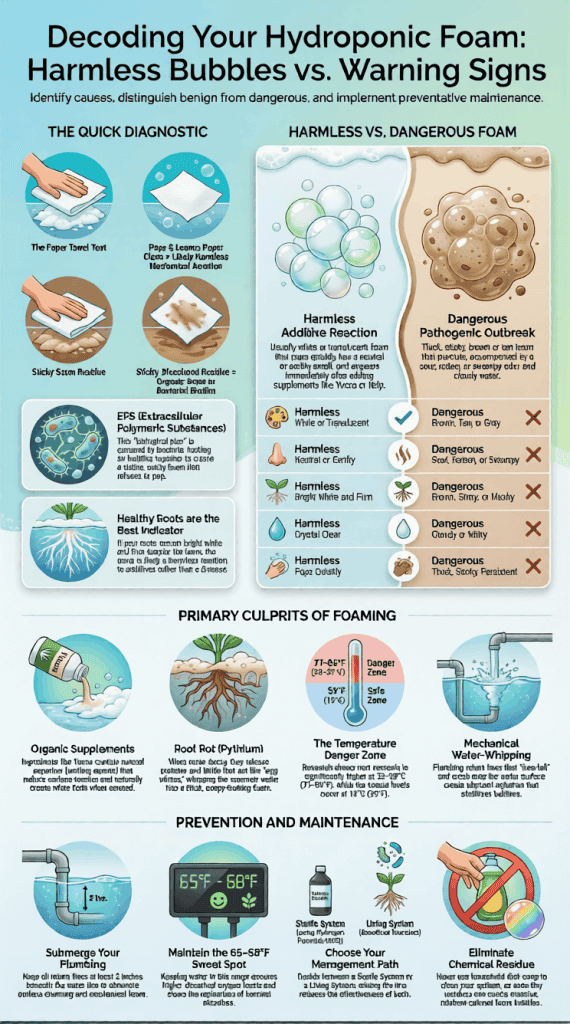
- White, airy foam appearing after adding kelp extract or yucca extract is usually harmless.
- Brown, sticky bubbles with a sour smell often indicate root rot or a bacterial bloom.
- Inspect root health, water clarity, odor, and water temperature before taking action.
Why Does Hydroponic Nutrient Solution Foam?
Foam in your hydroponic tank forms when air from pumps or stones mixes with organic stuff in the water. Clean water with just minerals won’t foam much. But once you add things like plant extracts, dead roots, or certain nutrients, the bubbles last longer.
You’ll see this most in systems that bubble air constantly, like deep water culture (DWC). The key is keeping the water clean and making sure your plants get enough oxygen.
When evaluating a sudden foam flare-up, check for these primary operational culprits:
- High-output air stones: Generating a continuous stream of micro-bubbles that trap organic debris.
- Free-falling return lines: Causing surface splashing and mechanical water-whipping.
- Heavy organic supplements: Introducing unrefined plant extracts or raw proteins.
- Root exudates: Microscopic waste compounds naturally shed by plants under environmental stress.
- Developing biofilms: Early-stage bacterial colonies anchoring tightly at the water line.
- Mechanical agitation: Excessive physical churning from oversized pumps.
- Elevated reservoir temperatures: Unlocking rapid microbial replication and accelerating root breakdown.
Before assuming disease, remember that bubbles alone rarely indicate a problem. Stable foam usually requires both vigorous aeration and compounds that reduce water’s surface tension.
Why doesn’t every hydroponic system foam?
Well-maintained systems simply lack the ingredients needed to stabilize bubbles.
Healthy reservoirs generally share several characteristics:
- Clean water with low dissolved organic carbon
- Bright white roots
- Minimal organic residue
- Proper plumbing that minimizes water-whipping
- Stable EC levels and controlled pH drift
These conditions reduce opportunities for persistent white froth or sticky foam to develop.
Is Your Foam Harmless or a Warning Sign?
Isolating a benign additive reaction from a catastrophic system crash comes down to analyzing four specific metrics: color, smell, texture, and root-zone architecture.
While a flash of white, airy froth following a nutrient top-off is generally harmless, a dense, slow-collapsing brown blanket signifies heavy biological decomposition or an active microbial breakout.
Keeping your reservoir clean and controlling the environment are the best ways to prevent these issues. Consistently maintaining a hydroponic system also helps prevent organic buildup that allows foam to persist.
The comparison below makes diagnosis much easier.
| Indicator | Usually Harmless | Usually Dangerous |
| Color | White or translucent | Brown, tan, or gray |
| Smell | Neutral or earthy | Sour, rotten, or swampy |
| Roots | Bright white and firm | Brown, slimy, or mushy |
| Water | Crystal clear | Cloudy or milky |
| Foam | Pops quickly | Thick, sticky, persistent |
Healthy white roots remain the most reliable indicator. If the foam accompanies brown slime, foul odors, and cloudy water, investigate immediately.
Could Root Rot Be Creating the Foam?

Yes. Root rot, commonly caused by Pythium, releases proteins, lipids, and other organic compounds that stabilize bubbles.
When Pythium takes over, it induces rapid root cell lysis, literally rupturing the root cell walls. This cellular breakdown dumps a heavy payload of intracellular proteins, lipids, and glycoproteins directly into the water.
Combined with high-volume aeration from oxygen lines, these organic compounds act like egg whites in a mechanical mixer, whipping the surface into a thick, sticky froth that closely resembles whipped soap.
Typical warning signs include:
- Brown or black roots
- Slimy texture
- Sweet, swampy, or rotten odor
- Reduced growth
- Drooping foliage
Before moving to treatment, inspect every section of the root mass carefully.
What should you do first?
- Remove dead roots.
- Replace contaminated nutrient solution.
- Improve reservoir sanitation.
- Reduce root zone temperature.
- Decide whether to run a sterile reservoir or a living biological system.
In a recent analysis by Phytopathology
“Severe root rot and/or plant death occurred within 3-4 days after inoculation with P. aphanidermatum at 21 and 27°C” – Phytopathology
How Do Bacterial Blooms Turn Bubbles Into Foam?

Credits: Greens and Machines
Rapidly replicating heterotrophic bacteria excrete a sticky, gelatinous slime layer that acts as a powerful biological binder. This slime traps continuous micro-bubbles, forming a highly stable surface foam that refuses to pop.
When reservoir temperatures climb, it accelerates this bacterial metabolism, resulting in an escalating cycle of slime production, water cloudiness, and heavy surface texturing.
Common causes include:
- High water temperature
- Accumulated dissolved organic carbon
- Poor circulation
- Light leaks
- Developing biofilm
- Anaerobic bacteria
Before the next section, remember that microbial foam differs from harmless bubbles because it typically becomes thicker every day instead of disappearing overnight.
Are Organic Additives Supposed to Foam?
There is no need to panic if a reservoir foams immediately after adding organic supplements like yucca or kelp extracts. Yucca, for example, is packed with natural saponins, steroidal glycosides that act as organic wetting agents by reducing the water’s surface tension.
When high-output air stones hit these compounds, a clean, white foam is completely normal and expected.
As long as the roots stay bright and target EC levels remain stable, this type of additive foam is harmless and usually dissipates as the plants uptake the nutrients. Replacing hydroponic nutrients before they become heavily contaminated can also reduce recurring foam caused by accumulated organic matter.
| Additive | Why It Foams |
| Yucca extract | Natural saponins |
| Kelp extract | Organic compounds |
| Amino acids | Proteins |
| Humic acid | Complex organic molecules |
| Fulvic acid | Dissolved organics |
That said, harmless additive foam should remain white, odorless, and short-lived. Persistent sticky bubbles deserve further investigation.
Could Cleaning Products Be the Real Problem?
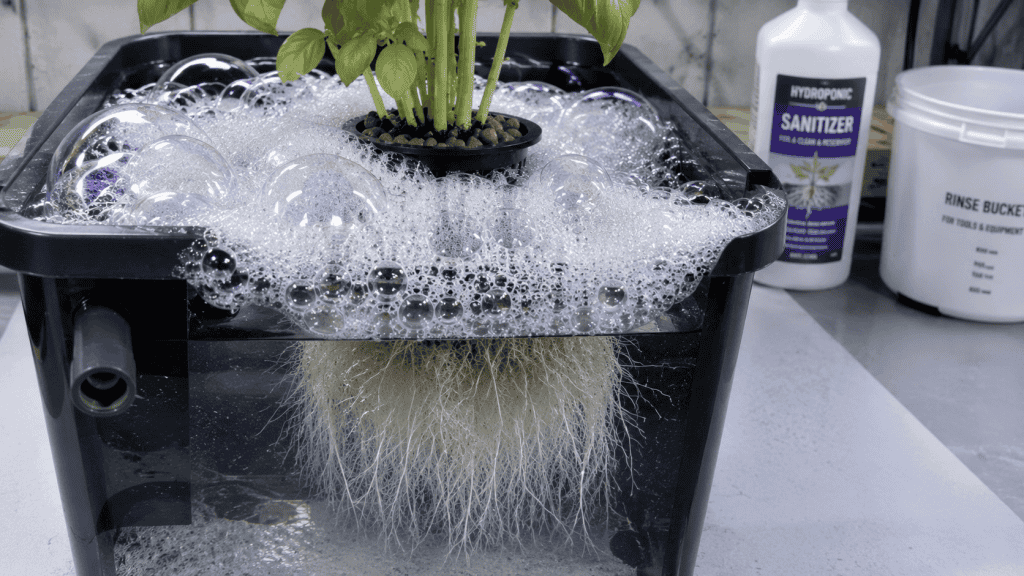
Even tiny amounts of dish soap contamination or cleaning residue can create dramatic foaming.
Many growers unknowingly leave behind detergent residue after cleaning reservoirs or plumbing. Once water pumps begin circulating nutrients, these residues behave like soap and generate stable bubbles.
Check for these signs:
- Rainbow-colored bubbles
- Extremely light foam
- No root discoloration
- Foam appearing immediately after cleaning
Always rinse your system completely after using a sanitizer. Never use regular dish soap or household cleaners in your hydroponic setup.
Why Does Reservoir Temperature Matter So Much?
Warm water reduces dissolved oxygen while encouraging microbial growth.
The ideal root zone temperature for most hydroponic systems remains between 65–68°F (18–20°C). Within this range, roots absorb oxygen efficiently while harmful microbes reproduce more slowly.
Benefits of maintaining this range include:
- Higher dissolved oxygen
- Reduced oxygen depletion
- Better nutrient uptake
- Improved root health
- Lower risk of Pythium
Research from Clemson University shows
“Seedling disease (Pythium myriotylum) was correlated (P < 0.001) with float water temperature with the lowest level of root necrosis at 15°C and the greatest root necrosis at 25 and 30°C” – Clemson University
Growers using a water chiller often experience fewer foam-related issues during hot weather.
Can Your Plumbing Design Cause Foam?
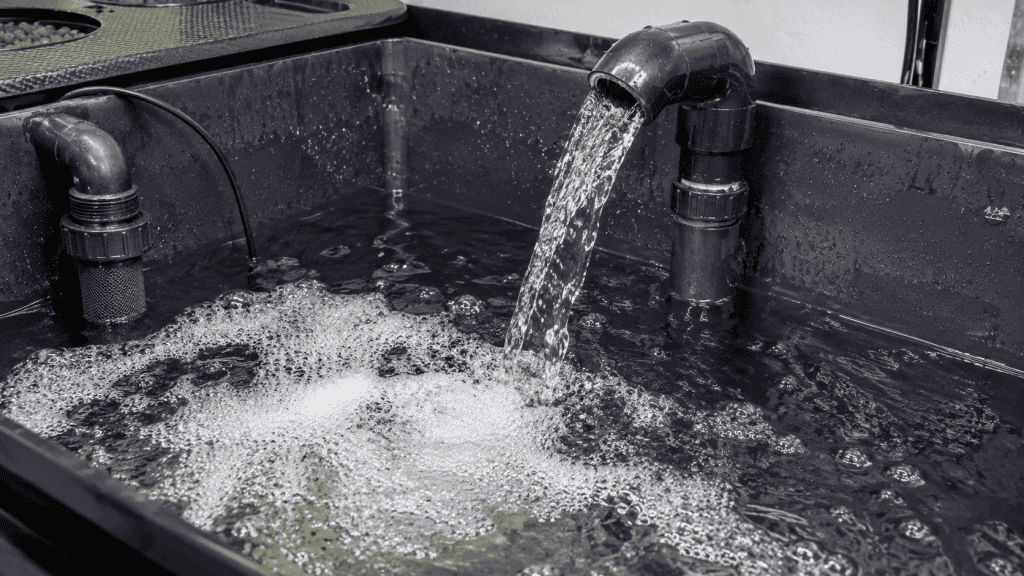
Yes. Poor plumbing can physically whip nutrients into foam.
Allowing return lines to free-fall and crash above the water line creates a constant waterfall effect that plunges air deep into the water column. This mechanical agitation, known as water-whipping, acts like an industrial blender on any dissolved organic carbons in the system.
The permanent solution is simple: submerge all return piping at least 2 inches beneath the lowest operating water line to completely suppress surface churning
Several simple adjustments reduce physical foaming:
- Keep return lines below the water surface.
- Reduce unnecessary splashing.
- Secure loose plumbing.
- Maintain consistent flow rates.
- Position the aeration pump correctly.
Of course, plumbing changes only eliminate mechanical foam. They will not solve root rot, biofilm, or excessive organic contamination.
Should You Use Hydrogen Peroxide or Beneficial Microbes?
Choose one management strategy and remain consistent.
You have two main paths for managing your reservoir. A sterile system uses oxidizers like hydrogen peroxide to kill microbes. A living system uses beneficial bacteria to crowd out the bad ones.
Mixing both approaches reduces the effectiveness of each.
| Sterile System | Living System |
| Hydrogen peroxide | Beneficial bacteria |
| HOCl sterilization | Biological balance |
| Mineral nutrients | Organic nutrients |
| Frequent sanitation | Active microbial ecosystem |
Growers choose different solutions for foam. Some use hypochlorous acid because it’s stable. Others add beneficial microbes to break down organic waste naturally.
If you use hydrogen peroxide or hypochlorous acid, always follow the product’s dosage instructions carefully
What Is the Paper Towel Test Growers Recommend?
Whenever a mystery foam appears in a tank, the first move should be the Paper Towel Test. It beats dumping fifty gallons of nutrients down the drain for no reason.
Lay a dry sheet flat across the bubbling surface for about five seconds, then lift it slowly.
If the foam just pops and the paper towel stays clean, that’s good news. You’ve got harmless air bubbles from something like a pump or airstone, just high surface tension from mechanical agitation.
But if a sticky, discolored film clings to the fibers, that’s a different story. That’s organic protein scum or an active microbial biofilm. The reason it sticks is bacteria. They excrete a kind of biological glue called extracellular polymeric substances, or EPS. This glue locks air bubbles together and binds them right to the paper towel.
Follow these steps:
- Lay a paper towel flat across the foam.
- Lift it slowly.
- Check whether residue sticks to the towel.
- Smell the residue.
- Inspect its color.
If you wipe the foam with a towel and it leaves a sticky residue, that’s not just air. It’s likely proteins, root waste, or bacteria.
This quick test often prevents unnecessary reservoir changes.
How Can You Prevent Foam From Returning?
Consistent reservoir maintenance prevents most foaming problems before they begin.
Catching foam early is better than dealing with a thick layer. Regular checks of your water, pipes, and cleaning habits prevent most foam problems before they start.
An effective maintenance routine includes:
- Maintain 65–68°F (18–20°C) water temperature.
- Eliminate light leaks with a proper reservoir cover.
- Keep electrical conductivity within target range.
- Monitor pH drift regularly.
- Clean pumps and tubing.
- Wash roots when necessary.
- Remove hydroton dust, clay pebbles residue, and coco coir tannins before use.
- Inspect for chemical precipitation or nutrient fallout.
- Avoid water from a sodium softener if excessive foaming develops.
- Position return plumbing below the water line.
Growers who inspect reservoirs weekly often catch developing problems long before they threaten crop health. Routine care for a hydroponic plant includes checking the roots, reservoir, and nutrient solution together because these factors directly affect foam formation.
Keep Your Hydroponic Reservoir Clean and Foam Free
Foam in your reservoir is a warning light, not the actual problem. You need to find out what’s causing it. According to Tophydroponicgarden, the usual suspects are root rot, bacterial slime, organic nutrients, leftover soap from cleaning, or even too much air from your air stones.
Don’t just treat the foam. Check your plant roots for sliminess, look at the water clarity, and go over your equipment. A clean tank, stable nutrient levels, and regular upkeep will stop the foam from coming back. This protects your roots and leads to healthier, more reliable growth.
FAQs
Can reservoir foam hurt hydroponic plant roots?
Reservoir foam is not always harmful, but persistent hydroponic foaming can indicate a problem. Thick white froth, sticky bubbles, or brown slime often points to root rot, pythium, biofilm, or a bacterial bloom. Inspect the roots, maintain good reservoir sanitation, and increase aeration if needed. Healthy roots and clean water reduce the risk of foam caused by harmful microbial growth.
Why does foam increase after adding organic nutrients?
Many organic nutrients contain natural organic compounds, including kelp extract, humic acid, fulvic acid, yucca extract, and saponins. These ingredients reduce surface tension, allowing micro-bubbles to remain on the water surface longer. Water pumps, return lines, and the waterfall effect also create mechanical agitation, which produces more visible reservoir foam when these compounds are present.
How can I reduce foaming without harming beneficial microbes?
Begin by checking water temperature, electrical conductivity, EC levels, and pH drift. Remove any cleaning residue or dish soap contamination from the system because both can cause excessive foam. Maintain healthy dissolved oxygen with properly sized air stones and an aeration pump. If foaming becomes excessive, use a silicone defoamer only when it is compatible with your growing system and maintenance routine.
Does reservoir design affect foam buildup?
Yes. Reservoir design can significantly affect foam formation. Strong water-whipping, a large waterfall effect, long return lines, and a venturi injector all increase bubble production. In deep water culture and nutrient film technique systems, using a reservoir cover, improving light sealing, maintaining the correct root zone temperature, and installing a water chiller can reduce light leaks, discourage an algae bloom, and minimize unnecessary foaming.
What maintenance prevents recurring hydroponic foaming?
Regular reservoir maintenance helps prevent recurring foam. Rinse away hydroton dust, clay pebbles residue, and coco coir tannins before adding them to the system. Monitor for nutrient fallout, chemical precipitation, protein scum, plant root exudates, root cell lysis, glycoproteins, lipids, extracellular polymeric substances (EPS), and excess dissolved organic carbon caused by microbial activity. If sanitation is necessary, apply a suitable sanitizing agent and follow the recommended H2O2 dosage or HOCl sterilization procedure. Maintaining proper water hardness, avoiding oxygen depletion, and preventing the growth of anaerobic bacteria also help keep the nutrient solution stable.
References
- https://www.coresta.org/abstracts/role-water-temperature-epidemiology-pythium-root-rot-greenhouse-float-systems-6896.html
- https://europepmc.org/article/AGR/IND85050623
Related Articles
- https://tophydroponicgarden.com/how-to-maintain-a-hydroponic-system/
- https://tophydroponicgarden.com/how-long-do-hydroponic-nutrients-last/
- https://tophydroponicgarden.com/how-to-care-for-a-hydroponic-plant/
Was this helpful?

I’m Barrie L., a passionate hydroponic gardening enthusiast dedicated to cultivating thriving, soil-less gardens. With a focus on all things hydroponic, I share my expertise on innovative growing techniques and sustainable practices through my blog, tophydroponicgarden.com. As a seasoned hydroponics specialist, my goal is to inspire and guide fellow gardeners in harnessing the power of water-based cultivation for bountiful and eco-friendly harvests. I’m also an author of the book “Hydroponics For Absolute Beginners: Your Step By Step Guide For How To Create An Hydroponics System At Home Without Soil, For Growing Vegetable, Fruit And Herbs.” which is sold on Amazon. Join me on a journey of redefining the way we cultivate plants, one nutrient-rich solution at a time. Happy growing!