

Growing plants in water sounds simple, but hydroponics has its limits. Think big startup costs, constant power needs, and daily water testing – these aren’t small problems.
Starting a hydroponic system costs thousands, and you’ll need backup power because one outage can kill your plants.
Some crops just don’t do well in water, and if disease hits one plant, it quickly spreads to all of them. For new growers or small farms, these challenges can make hydroponics tough to manage. Curious about what are the limitations of hydroponics you should watch out for? Keep reading!
Key Takeaways
- Hydroponics requires a big upfront investment and ongoing costs.
- Systems rely on power and constant monitoring to avoid nutrient problems and pests.
- You can’t grow all types of crops, mostly leafy greens and herbs do well.
What is Hydroponics?
Hydroponics is a way to grow plants without soil. Instead, plants get their water and nutrients directly through a special water solution.
Instead of using dirt like traditional farming, hydroponic growing uses systems like deep water culture, nutrient film technique, ebb and flow, or flood and drain.
These methods deliver nutrients straight to the plant roots. To support the roots, growers often use materials like rock wool or coconut coir as the growing medium.
Because the environment is controlled, plants can grow faster and often year round. This makes hydroponics popular in urban agriculture and indoor farms where space or soil quality is limited.
Hydroponics also uses less water than soil based farming, which helps with water conservation. But hydroponics isn’t perfect.
It needs steady electricity, careful monitoring, and can be expensive to start. Also, not every crop can be grown hydroponically.
Knowing what are the limitations of hydroponics helps growers avoid problems and make better choices.
Pros and Cons of Hydroponics
Before talking about the limitations, here’s a quick look at the pros and cons of hydroponics.
Pros
- Plants grow faster because nutrients go straight to the roots.
- You can grow crops year round, no matter the weather outside.
- Uses less water than soil based farming.
- Often produces higher crop yields in smaller spaces.
- Great for growing food in cities with limited land.
Cons
- Setting up a hydroponic system costs a lot at first.
- You need to check pH and nutrients regularly; it’s not “set and forget.”
- If the power goes out, plants can quickly suffer.
- Root vegetables and some fruits don’t grow well hydroponically.
- Diseases can spread quickly through shared water.
The Cost of Hydroponic Growing
Starting a hydroponic farm can cost quite a bit. You need pumps, grow lights, and climate controls to keep things just right.
Materials like rock wool or coconut coir help support the plant roots. Plus, you need nutrient solutions that supply the essential minerals plants need.
Knowing how to make nutrient solutions precisely can reduce waste and improve efficiency, ultimately helping manage ongoing costs.
After setup, you’ll also pay for electricity to run pumps and lights, especially if you’re growing indoors or using vertical farming.
According to USDA research on controlled environment agriculture economics, energy costs can represent 25-30% of total operating expenses for indoor hydroponic facilities. Maintenance costs add up too when you replace parts or buy more nutrient mixes. [1]
- You’ll spend a good chunk on growing mediums like rock wool and coconut coir.
- Electricity bills can rise due to pumps and grow lights.
- Nutrient solutions and upkeep add to ongoing expenses.
These costs can make hydroponic farming hard to start for small growers or beginners.
Technical Skills and Monitoring

Hydroponics isn’t just about putting plants in water. You have to keep a close eye on the water’s pH, nutrient levels, and electrical conductivity to keep everything balanced.
Without soil, plants don’t have a natural buffer, so even small changes can cause nutrient problems or stunt growth.
You also need to understand how to manage mineral nutrient solutions because they deliver essential nutrients directly to the plant roots. Learning about hydroponic nutrients helps ensure the right balance for healthy growth. It takes some learning and regular checks to keep plants healthy.
- Nutrient levels can change quickly and harm plants if you’re not careful.
- Regular monitoring helps prevent nutrient deficiencies and pest problems.
- Knowing how to manage these factors is key to success.
The technical side can be tricky for beginners.
Power Dependence and Risks
Hydroponic farms rely heavily on electricity. Pumps, lights, and climate control all need power to keep plants growing. If the power goes out, water circulation can stop, and plants may wilt fast.
For example, in deep water culture systems, roots need oxygen. Without pumps, roots can rot quickly.
Because of this, many growers invest in backup power sources, but that adds more cost and complexity. Power issues are a big risk, especially in indoor hydroponic farms or places with unstable grids.
- Power outages can damage crops quickly.
- Equipment failure can cause fast losses.
- Backup power systems help but cost more.
Planning for these risks is very important.
Disease and Crop Limits
Hydroponic plants share the same water, so diseases can spread fast throughout the whole system. Without soil, plants lose a natural defense against pests and root diseases.
Also, not all crops grow well in hydroponics. Root vegetables like carrots or potatoes usually need soil to develop properly.
Research from Cornell University’s Controlled Environment Agriculture program demonstrates that hydroponic systems are best suited for leafy greens, herbs, and certain fruiting crops, while root vegetables face significant production challenges. [2]
Hydroponic farms mostly grow leafy greens, herbs, and some fruits, which limits what you can produce.
- Diseases spread quickly in shared water systems.
- Without soil, plants are more vulnerable to pests and root problems.
- Crop variety is limited compared to traditional farming.
These biological challenges are important to keep in mind.
Environmental and Operational Concerns
Hydroponics uses less water than soil based farming, which is good for areas facing water shortages or climate change. But it can use lots of electricity, especially indoors with artificial lights and climate control.
Also, disposing of old nutrient solutions needs care. If done wrong, it can pollute local water sources. Sustainable hydroponic farming means managing waste properly and possibly following organic certification rules.
- Hydroponics saves water but can use a lot of energy.
- Nutrient disposal needs to be done carefully.
- Balancing water use and energy is key for sustainability.
Growers should think about these factors before starting.
Supply Chain and Resource Dependence
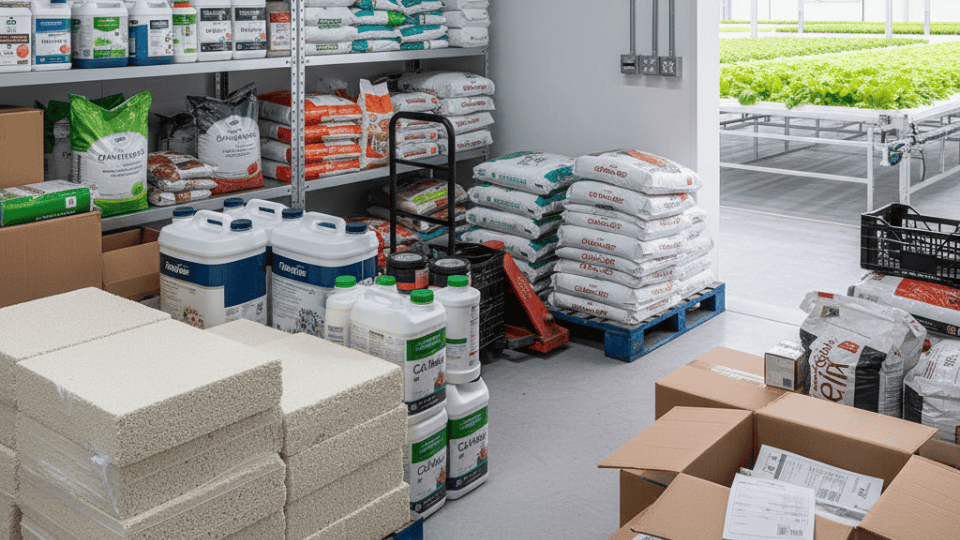
Hydroponic farms rely on a steady supply of fertilizers, nutrient solutions, and growing mediums like rock wool. If these supplies run short or prices rise, crop production can suffer.
Most hydroponics systems depend on synthetic nutrients, which need careful handling to avoid toxicity or deficiencies. Getting organic certification can be tricky because of this.
- Fertilizers and growing mediums must be available and affordable.
- Supply disruptions can hurt production.
- Chemical use has to be balanced with sustainable practices.
Planning for these dependencies is part of running a successful hydroponic farm.
Economic and Market Challenges
Hydroponic produce often costs more than soil grown crops in markets, including across the United States. Some customers pay for the freshness and sustainability, but others prefer cheaper or organic options.
Because of higher costs for energy and maintenance, small growers have a tough time making a profit unless they plan well.
- Hydroponic crops usually sell at a premium price.
- Small-scale growers face financial risks from high costs.
- Market demand varies by location and customers.
Good financial planning and marketing help a lot.
Learning Curve and Experience Needed

Credits: EverestFernandez
Hydroponic growing involves learning how to manage different systems like ebb and flow, nutrient film technique, or deep water culture. You need to keep track of water and nutrients throughout the growing season to get the best yields.
New growers often find this technical side challenging. But with time and training, you’ll get better at keeping plant roots healthy and helping plants grow faster.
This is especially true for those beginning with hydroponics, where understanding system dynamics and nutrient management makes a big difference.
- Hydroponics requires understanding plant roots and nutrient balance.
- Mistakes in nutrient or pH control can reduce crop yields quickly.
- Learning and practice improve chances of success.
Finding good resources and community support can make a big difference.
Managing Risks and Keeping Systems Reliable
Equipment like pumps, sensors, and lights need regular care to avoid failures. Routine maintenance and checks help prevent sudden breakdowns.
Backup power systems protect your crops if the electricity goes out. Disease monitoring and good sanitation keep pest problems under control.
- Regular maintenance helps avoid system failures.
- Backup power protects crops during outages.
- Monitoring water quality prevents disease and nutrient problems.
Being prepared keeps your hydroponic farm running smoothly.
Practical Tips to Deal with Hydroponics Limits
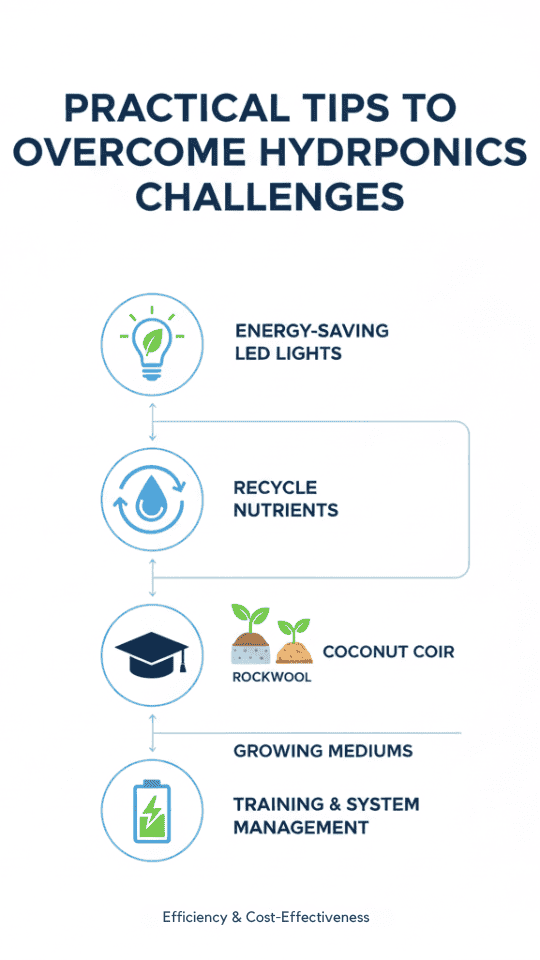
Even with these challenges, you can improve your hydroponic system by:
- Using energy-saving LED lights.
- Recycling nutrient solutions to save water and reduce waste.
- Choosing growing mediums like rock wool or coconut coir carefully for better root growth.
- Getting training to manage nutrients and monitor systems well.
- Having backup power ready for outages.
These small changes can make hydroponics easier and more cost-effective.
FAQ
What makes the initial investment in hydroponics systems so expensive compared to traditional farming?
Starting a hydroponic farm requires buying specialized equipment like grow lights, water pumps, nutrient film technique setups, and climate control systems. You also need a controlled environment structure, growing medium like rock wool or coconut coir, and electrical systems. These startup costs often run thousands of dollars higher than conventional farming methods. The complex hydroponic systems need precise monitoring equipment too, making the barrier to entry steep for new growers.
How do power outages affect hydroponic plants and active systems?
Power outages can devastate hydroponic crops since most systems depend on electricity for pumps, grow lights, and climate control. Without power, plants can’t get water and nutrients directly to their root zone, and indoor hydroponic setups lose their artificial lighting. Deep water culture systems might survive short outages, but ebb and flow or nutrient film technique systems fail quickly. Many commercial growers invest in backup generators, but that adds to maintenance costs and complexity.
Why do maintenance costs stay high throughout the life cycle of hydroponic systems?
Hydroponic systems need constant upkeep because they’re more complex than soil based growing. You must regularly test water quality, check electrical conductivity, clean pumps and tubes, and replace growing medium like rock wool. Nutrient solutions require frequent monitoring and adjustment to prevent nutrient deficiencies or nutrient imbalances. Equipment breaks down over time, especially pumps and grow lights, creating ongoing expenses that traditional farms don’t face.
What pest problems and waterborne diseases challenge hydroponic cultivation?
While hydroponic plants avoid many soil-based pests, they face unique challenges like root rot and waterborne diseases that spread quickly through water culture systems. Algae growth clogs systems and competes with plants for nutrients. Pests like aphids still attack leafy greens in controlled environments, and without beneficial soil organisms, growers must use other pest control methods. The closed-loop water system can spread diseases rapidly if contamination occurs.
Conclusion
Hydroponics offers year-round growing with less water, but it’s not perfect. The big costs, daily maintenance, and power needs can be tough to handle. While some crops thrive in these systems, others just won’t work. For growers willing to learn and plan ahead, hydroponics can still be worth it. Just remember – backup systems, careful monitoring, and choosing the right plants make all the difference between success and failure.
References
- https://www.ers.usda.gov/webdocs/publications/90077/eib-187.pdf
- https://cals.cornell.edu/school-integrative-plant-science/soil-crop-sciences/extension-outreach/controlled-environment-agriculture
Related Articles
- https://tophydroponicgarden.com/understanding-hydroponic-nutrients/
- https://tophydroponicgarden.com/how-to-make-nutrient-solution-for-hydroponics/
- https://tophydroponicgarden.com/hydroponics-for-beginners/
Was this helpful?

I’m Barrie L., a passionate hydroponic gardening enthusiast dedicated to cultivating thriving, soil-less gardens. With a focus on all things hydroponic, I share my expertise on innovative growing techniques and sustainable practices through my blog, tophydroponicgarden.com. As a seasoned hydroponics specialist, my goal is to inspire and guide fellow gardeners in harnessing the power of water-based cultivation for bountiful and eco-friendly harvests. I’m also an author of the book “Hydroponics For Absolute Beginners: Your Step By Step Guide For How To Create An Hydroponics System At Home Without Soil, For Growing Vegetable, Fruit And Herbs.” which is sold on Amazon. Join me on a journey of redefining the way we cultivate plants, one nutrient-rich solution at a time. Happy growing!