

Using timers for lights and water pumps gives your plants and fish a steady, predictable schedule. It’s like having a reliable helper that turns things on and off exactly when needed. This cuts down on mistakes you might make if you did it manually, and it keeps everything running on a consistent clock.
In real use, a light timer sets the day-night cycle for plants common schedules are 18 hours on, 6 off, or 12 on, 12 off. A pump timer handles watering.
It turns the pump on for short bursts maybe a few seconds or minutes depending on what your plants need. Using timers for lights and pumps together is a key part of automated systems like hydroponics, aquaponics, greenhouse controls, and indoor grow tents.
The result is predictable plant growth, less wasted electricity, and safer equipment operation. But this only works if the timer you pick can handle the power your lights and pump use.
Fast Wins From Using Timers for Lights and Water Pumps
- Timers create stable light and water cycles that support plant, fish, and overall system health in automated setups.
- Light timers commonly manage photoperiods like 18/6 for plant growth and 12/12 for flowering stages.
- Water pump timers control short, repeated cycles that help hydroponic, irrigation, and aquaponics systems run consistently.
How timers automate lighting and irrigation cycles in growing and aquarium systems
Using a timer for your lights and water pump sets a routine. The lights click on and off at the same times each day, maybe 18 hours on and 6 off. The pump turns on for short bursts to deliver water. This steady rhythm is what plants and fish need. It helps plants grow properly, keeps aquatic life from getting stressed, and makes sure water is used without waste.
For setups like indoor grow tents or hydroponic systems, this timing isn’t just convenient; it’s essential. Plants, fish, and even reptiles depend on a predictable day-night cycle and regular watering. Their internal clocks and biological processes get thrown off without that consistency. A steady schedule keeps their metabolism and growth on track.
In practical systems:
- Vegetative plants use 18 hours of light and 6 hours of darkness
- Flowering stages require 12 hours of uninterrupted darkness
- Aquarium lighting control typically runs 8–10 hours daily
- Pump systems operate in short cycles or continuous loop timer modes
Timers reduce human inconsistency, especially in automated agricultural systems where manual switching leads to irregular stress responses.
Why consistency matters for biological systems
Stable timing prevents circadian disruption and supports hormonal regulation across living systems. For plants, how they react to day length determines whether they’ll flower. In aquariums, a steady light schedule keeps fish behavior normal and helps control algae.
Research from the International Society for Horticultural Science shows
“The characteristics of light in influencing plant growth are generally attributed to three dimensions, i.e., the intensity, quality, and duration of light.”
One important finding is that even a little bit of stray light during the dark period can mess up flowering in sensitive plants.
- Prevents circadian disruption in plants and aquatic life
- Stabilizes flowering hormones in photoperiod plants
- Reduces manual error in irrigation system controller workflows
Plants that are sensitive to day length, like many flowers and vegetables, need a full, uninterrupted 12 hours of darkness to trigger proper flowering.
For smart indoor gardens, software like Home Assistant can automate this. It syncs your light timers and pump schedules into one coordinated system.
Types of timers used for lighting and water pump systems
Mechanical timers work for simple, high-power jobs. Digital timers are more precise. Smart timers automate things but need good Wi-Fi.
Pick the timer that fits the task. For things like hydroponic feeding, aquarium lights, or garden watering, the right timer makes the system work better. Larger systems that combine reservoirs, tubing, pumps, and other hydroponic supplies usually benefit from more precise timer scheduling and load management.
Timer Type
| Timer Type | Best Use | Strength | Limitation |
| Mechanical (Analog) | Lights, basic pumps | Reliable, offline operation | Limited precision |
| Digital programmable timer | Hydroponics, misting systems | High accuracy and scheduling flexibility | More complex setup |
| Smart plug WiFi timer | Remote systems, greenhouse automation | App control and smart integration | Network dependency |
Mechanical systems like a 24 hour analog timer or grounded timer switch are often used for LED grow light controller setups and security lighting control. Digital systems support 7 day programmable switch functions for seasonal lighting timer schedules.
Choosing based on system complexity
System selection depends on load demand, timing precision, and environmental risk level.
- Simple irrigation uses mechanical outlet timer systems
- Hydroponic automation requires digital interval control
- Smart greenhouse setups rely on app controlled smart timer systems
Most plug-in timers can handle up to 15 amps for simple things like lights. But if you’re plugging in a pump or fan anything with a motor you need a stronger timer. The motor’s starting surge can overload a basic timer.
For smart control, devices like the TP-Link Kasa Smart Plug are popular. They let you set light schedules from your phone and connect to other smart home systems.
Electrical load handling and reliability in timer-based automation

Matching your timer to the load stops it from failing. It also prevents pump burnouts and electrical hazards in automated watering and lighting setups.
Water pumps and powerful grow lights create a different kind of electrical load than a simple light bulb. For safe switching, you often need a heavy-duty appliance timer or a timer with a built-in relay.
Load behavior in real systems
Electrical systems fail most often due to mismatch between rated capacity and actual surge demand.
- LED grow lights generate capacitive inrush current spikes
- Submersible pump automation produces inductive surges
- Timed power strip circuits degrade under repeated switching cycles
A 4A pump may spike to 12–16A during startup, which exceeds many consumer-grade timers. Selecting the correct water pump helps reduce overload risk and improves timer reliability in hydroponic automation systems.
Safety engineering considerations
Safe deployment requires layered electrical protection and physical separation of loads.
- Use surge protector with timer for smaller lighting systems
- Use relay switch timer with external contactor for pumps
- Separate LED grow light controller circuits from water systems
The Occupational Safety and Health Administration (OSHA) warns that using electrical equipment around water is a major risk. They stress that proper grounding and using circuit breakers designed for the load are essential for safety in these environments.
Common failures in timer-based systems and safety engineering
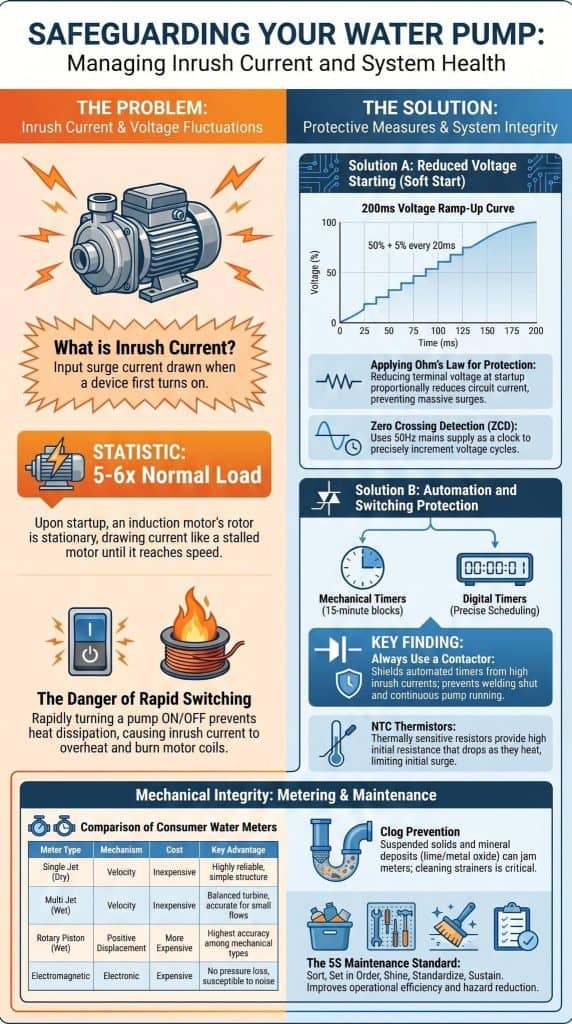
Timer systems can fail in three main ways: electrical stress, plumbing troubles, and network glitches. Take motors, like those on water pumps , when they start up, they pull a big surge of power. That spike can overwhelm ordinary timer switches, sometimes burning them out.
Then there’s the plumbing side: a clogged pipe or a pump running dry makes the motor work harder, drawing even more current, which can also fry the timer. For smart timers, everything hinges on stable Wi-Fi and steady power at the hub; lose either, and the schedule grinds to a halt.
These problems show up in different setups. In hydroponics, a failing timer might let a water pump run dry, wrecking the motor. In irrigation, it might cause too much pressure or not enough watering. The trick is picking a timer that matches the task, one with the right power rating, the right kind of switches, and reliable network support, to sidestep these common failures.
Common timer problems and solutions

Credit: Hydro How-To
Timers fail for a few key reasons. Electrically, the relay inside can weld shut from the repeated power surge of a pump starting up. Smart plugs stop working if your Wi-Fi goes out. The gears in a mechanical timer wear down over time. Any power outage can wipe the schedule from a digital timer.
Water systems add more risks. A siphon effect can keep water flowing after the pump turns off. A clogged drip line makes the pump work harder and overheat. If the watering isn’t even, you get dry spots in your garden.
You can build in safety and backups. Use a float switch to automatically shut off a pump if the water gets too low. Add an anti-siphon valve to stop unwanted water flow. Always plug water-related equipment into a GFCI outlet to prevent shock. And for critical tasks, choose a timer that works locally without needing the cloud.
Advanced automation setups for hydroponics and aquaponics timing systems
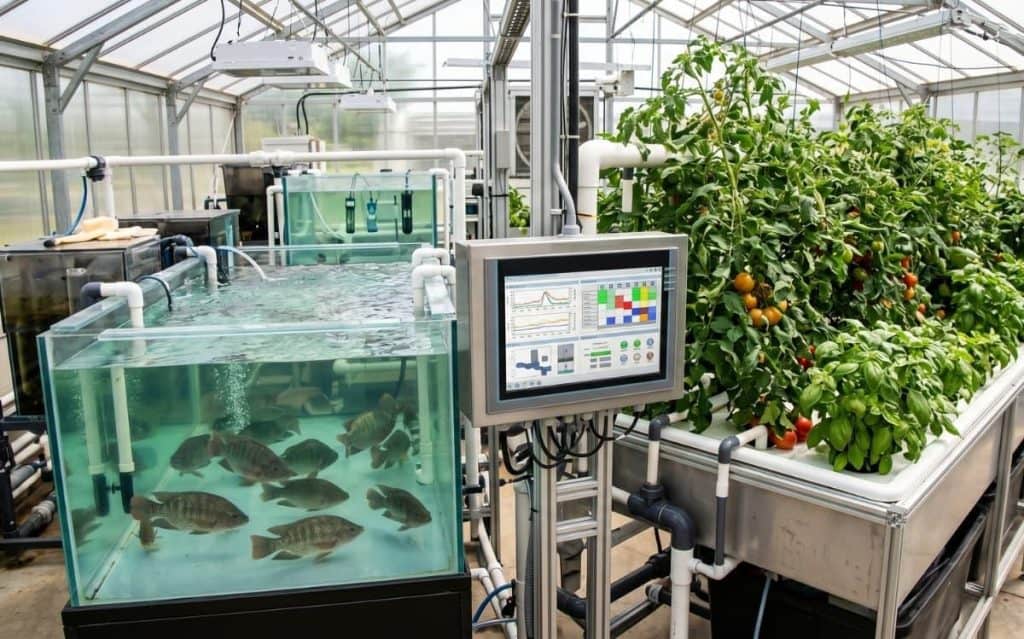
More advanced setups link timers straight to sensors, creating a sort of feedback loop. Instead of sticking to a fixed schedule, the system reacts to real conditions.
Insights from the NASA Technical Reports Server indicate
“A review of the general lighting requirements for photosynthesis reveals that four aspects of light are important: irradiance, quality, timing, and duration.”
Say you have a moisture sensor in the growing medium; it tells the pump timer exactly when to water. This cuts down waste, making hydroponic and aquaponic systems smarter about using water and power only when it’s really needed.
You see this in modern gear for indoor grow tents. Control modules now handle things like the color spectrum and schedule of LED grow lights. Systems that depend heavily on grow lights also rely on stable timer programming to maintain consistent photoperiod regulation during different plant growth stages.
There are pump controllers made for aeroponics that mist the roots at just the right moments. Multi-channel timers have become popular too, running lights and multiple irrigation pumps on one synced schedule. This kind of integrated control keeps everything in the tent working smoothly together.
Integrated control architectures
Advanced setups combine multiple automation layers for higher reliability.
- Digital programmable timer for primary scheduling
- App controlled smart timer for remote adjustments
- Water circulation schedule synced with plant light timer
- Automated misting system for humidity control
You’ll find these systems where keeping conditions steady matters most. Greenhouses rely on them heavily to automate climate control..
Energy and resource optimization
Timing systems also reduce energy consumption and water waste.
- Irrigation system controller reduces overwatering cycles
- Seasonal lighting timer adjusts photoperiod automatically
- Dusk to dawn outlet improves outdoor landscape lighting efficiency
Smart irrigation scheduling, which uses timers and sensors to water only when needed, can cut outdoor water use by a lot. The savings range from 20 to 50 percent, depending on your local climate.
Energy saving automation in lighting and pump scheduling systems
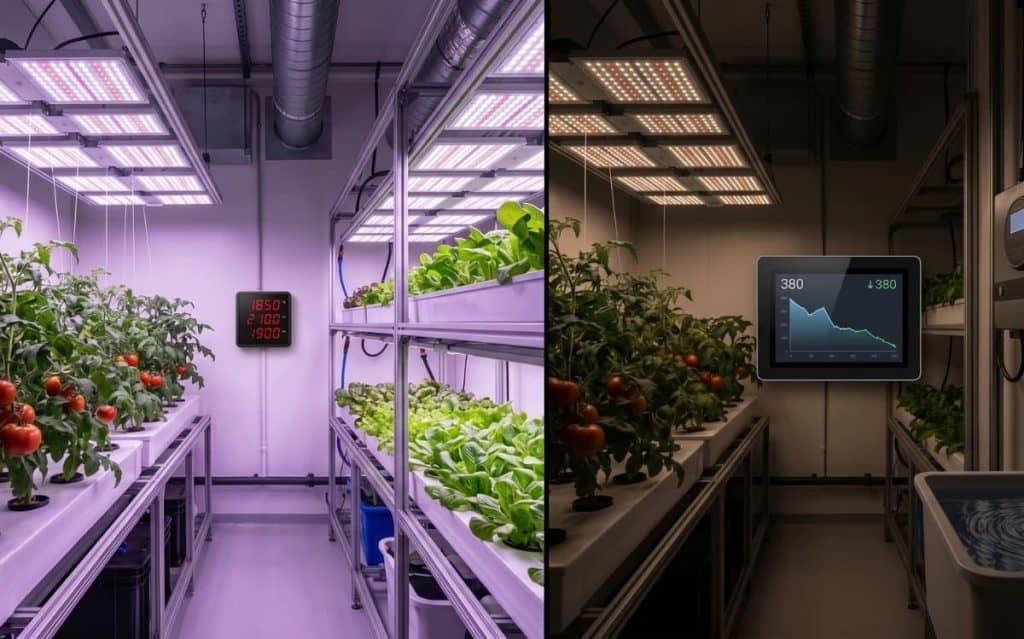
Automated timing systems cut down on costs and create a more stable environment, whether you’re running things indoors or outside. By turning equipment on and off only when it’s needed, you save on your electricity and water bills. At the same time, the consistent schedule helps plants, fish, or other systems stay healthy.
This kind of energy-saving automation is common in many places. Pool pump timers run the filter during off-peak hours to save money. Fountain pump controllers cycle the water to prevent stagnation without running constantly.
Garden hose timers water lawns or vegetable patches early in the morning to reduce evaporation. In each case, the system finds the right balance, it runs just enough to do the job well, but not a minute more.
Smart integration and scheduling efficiency
Modern systems integrate multiple control layers for adaptive scheduling.
- Smart home integration with voice activated smart plug systems
- Remote control outlet access for off-site monitoring
- Multi-setting digital clock systems for seasonal variation
- Surge protector with timer for load balancing safety
Outdoor systems often use waterproof outdoor timer units combined with photocell timer or dusk to dawn outlet features for automatic lighting response.
Agricultural and residential applications
Timing systems scale across environments from terrarium lighting setup to large irrigation system controller networks.
- Greenhouse automation for commercial crop cycles
- Pond pump switch systems for aquatic circulation
- Automatic watering system for residential gardens
- Drip irrigation timer setups for precision agriculture
Proper configuration reduces energy spikes and extends equipment lifespan in both small and large installations.
Smarter Timing Keeps Automated Systems Running Smoothly
When your lights or pumps run at the wrong time, the whole setup can become harder to manage. Plants react fast to inconsistent lighting, and poor water circulation can slowly affect system performance. Small timing mistakes add up quickly.
A reliable timer gives you a simpler way to keep everything consistent without constant checking. Whether you’re using a mechanical outlet timer or a smart WiFi option, the right setup helps your system stay stable and use less power. Automate your system setup with reliable timing control.
FAQs
How does a light timer improve an indoor grow lights schedule?
A light timer keeps an indoor grow lights schedule consistent by turning lights on and off at the same time every day. Consistent photoperiod regulation helps plants grow properly during both vegetative and flowering stages. Many indoor gardening equipment setups use an automated lighting schedule to reduce human error and improve plant health. A plant light timer also helps reduce electricity waste and supports reliable indoor plant care automation.
What makes a water pump timer useful for hydroponic automation systems?
A water pump timer controls watering intervals in hydroponic automation systems with better accuracy and consistency. It helps manage hydroponic nutrient delivery, watering cycle management, and aeroponics pump control without requiring constant manual adjustments.
Many growers use a repeat cycle timer or ebb and flow timer to maintain proper moisture and oxygen levels around plant roots. This process improves hydroponic reservoir management and reduces unnecessary pump operation.
Can a digital programmable timer help with aquarium lighting control?
A digital programmable timer improves aquarium lighting control by maintaining a stable lighting schedule every day. Consistent timing supports healthy planted aquarium lights operation and reduces stress for fish and aquatic plants.
Many aquarium owners also use reef tank automation features to manage oxygenation timing and water circulation schedules more effectively. A multi-setting digital clock combined with a short cycle timer helps maintain stable conditions inside the aquarium.
Which timer works best for automatic watering system setups outdoors?
A waterproof outdoor timer works well for automatic watering system setups because it can handle changing weather conditions safely. Many outdoor systems combine a drip irrigation timer, garden hose timer, or sprinkler system clock to improve precision watering control.
An irrigation system controller can also support greenhouse automation by adjusting watering schedules throughout different seasons. This setup helps reduce water waste while keeping plants consistently hydrated.
How can smart home integration improve timer-based automation systems?
Smart home integration allows users to control automation systems remotely through connected devices and scheduling tools. Many setups use a smart plug WiFi timer, remote control outlet, or voice activated smart plug for easier power outlet scheduling.
These systems can manage security lighting control, fountain pump controller schedules, and outdoor landscape lighting timer settings more efficiently. App controlled smart timer features also improve energy saving automation across automated agricultural systems and indoor growing environments.
Related articles:
- https://tophydroponicgarden.com/hydroponic-supplies-basics/
- https://tophydroponicgarden.com/do-you-need-grow-lights-for-hydroponics/
- https://tophydroponicgarden.com/what-kind-of-water-pump-for-hydroponics/
Reference
- https://ishs.org/ishs-article/1134_56/
- https://archive.org/details/NASA_NTRS_Archive_19960011688
Was this helpful?
