

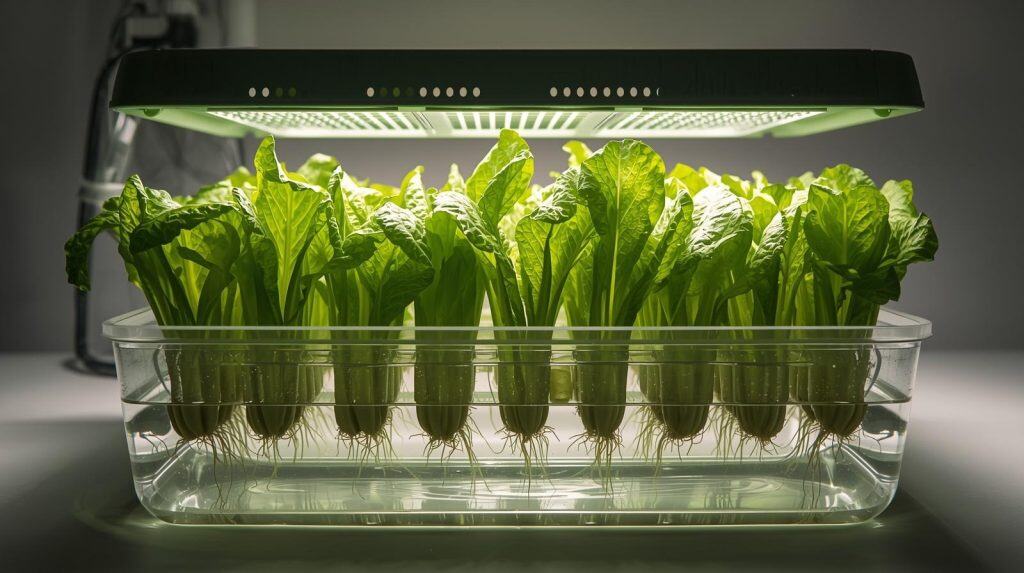
You can think of a nutrient solution as a plant’s complete meal, delivered directly to its roots. In soilless systems like hydroponics, this water-based mixture replaces the soil, providing every essential element a plant needs to thrive. It’s a precise blend of macronutrients and micronutrients, each playing a specific role in growth, from leaf development to fruit production.
The key to success lies in balancing these elements and managing factors like pH and electrical conductivity (EC). Getting it right means healthier plants and significantly higher yields. Keep reading to learn how to master this liquid lifeline for your plants.
Key Takeaways
- Nutrient solutions provide all essential macro and micronutrients that soil normally would.
- Managing pH and electrical conductivity (EC) is critical for optimal nutrient uptake.
- Plant nutrient requirements change significantly throughout their growth stages.
The Building Blocks of Plant Life

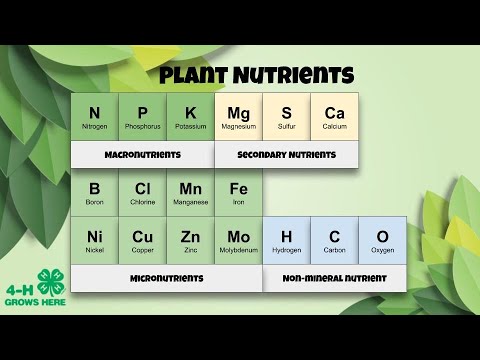
At its core, a nutrient solution is a carefully crafted cocktail. The major players are the macronutrients, nitrogen, phosphorus, and potassium, the NPK you see on fertilizer labels. Nitrogen is the engine for leafy, green growth. Without enough, plants look pale and stunted. Phosphorus is crucial for strong root development and flowering.
Potassium, meanwhile, is like a plant’s immune system, bolstering its overall health and disease resistance. This nutrient balance is crucial for understanding how plants absorb nutrients without soil, ensuring that every essential element reaches the roots effectively.
Then come the secondary nutrients: calcium, magnesium, and sulfur. Calcium builds strong cell walls, magnesium is the central atom in chlorophyll for photosynthesis, and sulfur is essential for creating proteins. It’s easy to overlook them, but a deficiency in any one can bring growth to a halt.
The micronutrients are needed in only tiny amounts, but their absence causes big problems. Iron is critical for chlorophyll production, manganese activates enzymes, and boron ensures proper cell division. Zinc aids in growth hormone synthesis, while molybdenum helps the plant use nitrogen. Even chlorine, often present as an impurity in water, plays a role in photosynthesis.
A Matter of Balance and Availability
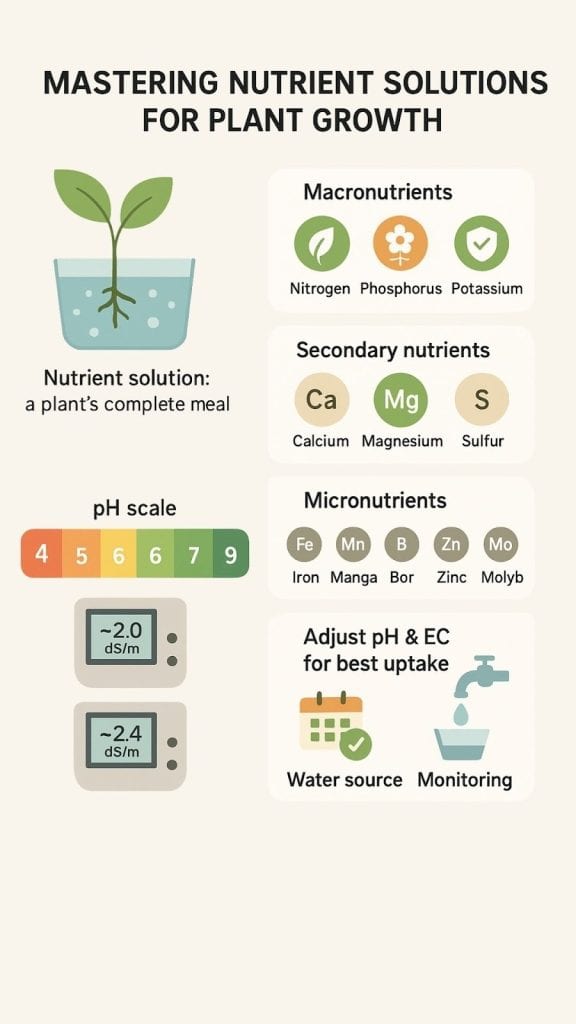
It’s not just about what’s in the solution, but how available it is to the plant. The pH level of the water acts as a gatekeeper for nutrient uptake. Most plants prefer a slightly acidic environment, with a pH between 5.5 and 6.5.
If the pH drifts too high or too low, certain nutrients become locked up and unavailable, leading to deficiencies even if they are physically present in the water. This precise management is why hydroponic plants really grow faster than soil-grown ones, they receive a perfectly balanced, readily absorbable nutrient solution.
This is where electrical conductivity, or EC, comes in. An EC meter measures the total concentration of dissolved salts in the solution. It’s a way to check the overall strength of your nutrient mix. A reading that’s too low means your plants are on a starvation diet. A reading that’s too high can “burn” the roots, effectively dehydrating the plant. Young plants, for instance, need a milder solution (around 2.0 dS/m) compared to mature, fruiting plants that can handle a stronger concentration (closer to 2.4 dS/m).
The source water itself is the first variable to consider. Tap water can contain minerals like calcium and magnesium, which you can account for in your recipe. It might also have high alkalinity, which causes pH to rise over time, requiring acid to neutralize it. Many serious growers start with purified or reverse osmosis water to have a blank slate [1].
Feeding Through the Seasons
Source : Liz Driscoll
A one-size-fits-all approach doesn’t work because a plant’s diet changes as it grows. Think of a tomato plant. When it’s young, too much nitrogen can make it overly vegetative, producing thick, curled leaves and reduced flowers. At this stage, a solution lower in nitrogen is better.
As the plant begins to set fruit, its demands shift. The developing tomatoes require more potassium and calcium to prevent disorders like blossom end rot. The nutrient solution must be adjusted to meet this new demand. This concept of “staged” nutrient solutions is key to optimizing growth and avoiding problems [2].
You have a few main paths to providing these nutrients. Pre-mixed, water-soluble fertilizers offer convenience, especially for beginners. The other path is formulating a custom solution from individual salts like calcium nitrate or monopotassium phosphate. This method offers greater control and can be more cost-effective for larger operations, but it requires more precision and understanding.
- Calcium Nitrate: Provides nitrogen and calcium.
- Monopotassium Phosphate: Provides phosphorus and potassium.
- Magnesium Sulfate: Provides magnesium and sulfur.
- Potassium Nitrate: Provides nitrogen and potassium.
The Path to Mastery
Creating the perfect nutrient environment is an ongoing process of observation and adjustment. You start with a proven recipe, but then you watch your plants. Are the leaves a deep green? Is growth vigorous? Signs like yellowing leaves or stunted growth are your cues to investigate.
Regular testing of the solution’s pH and EC is non-negotiable. Proper nutrient mixing is essential in this process, as following the right steps prevents precipitation and nutrient lockout, ensuring the roots absorb nutrients smoothly and effectively.
For the most accurate picture, periodic laboratory analysis of the nutrient solution and even plant tissue sampling can tell you exactly what the plant is absorbing. This data allows you to fine-tune your recipe to near-perfection, matching the nutrient balance precisely to the plant’s growth stage and the environmental conditions. It transforms feeding from a guessing game into a science.
FAQ
How can you pick a nutrient solution for beginners who want simple plant nutrition?
You can start with a nutrient solution that covers macro nutrients and micro nutrients. You check the pH level and water quality so the roots can take in what they need. You look for nitrogen fertilizer, phosphorus fertilizer, and potassium fertilizer in safe amounts. You keep the nutrient concentration steady so your plants grow well.
What makes hydroponic nutrients work better when you grow plants in soilless culture?
Hydroponic nutrients help because the roots get direct nutrient uptake. You control nutrient balance with calcium nitrate, magnesium sulfate, and potassium nitrate. You watch the solubility of nutrients so nothing settles. You mix the fertilizer solution in clean water. You keep a stable nutrient reservoir so the plants get what they need every day.
Why does nutrient mixing matter when you follow a hydroponic recipe at home?
Nutrient mixing matters because the wrong steps can cause nutrient precipitation. You add soluble fertilizer in the right order. You make sure the fertilizer salts dissolve. You check nutrient solution stability so the mix stays clear. You follow plant nutrient requirements for each growth stage. You keep the nutrient delivery smooth so the roots stay healthy.
How do you prevent nutrient lockout when you use synthetic fertilizer in a greenhouse nutrient solution?
You prevent nutrient lockout by checking nutrient solution pH adjustment often. You avoid extreme nutrient concentration. You look for signs of calcium deficiency, magnesium deficiency, and iron deficiency. You manage nutrient toxicity by lowering strong doses. You keep electrolyte balance steady so nutrient absorption stays normal. You adjust the fertilizer program when growth changes.
What should you do if your plants show nutrient solution problems during nutrient uptake?
You watch for plant nutrient deficiency signs in the root zone nutrition area. You check if trace elements like iron chelate or zinc sulfate are missing. You measure nutrient solution conductivity to see if levels are high or low. You review nutrient formulation and plant nutrient management. You change the fertilizer solution mixing steps to keep plants steady.
Conclusion
Understanding nutrient solutions is less about memorizing formulas and more about grasping a principle. You are creating a perfect, accessible food source. Start by testing your water. Choose a nutrient approach that matches your confidence level, whether a simple pre-mix or a custom recipe. Then, commit to monitoring.
Check your pH and EC regularly, and observe your plants like a hawk. They will tell you what they need. This mindful approach to plant nutrition is the surest way to unlock their full potential, leading to a garden that is not just growing, but truly thriving.
References
- https://www.jstage.jst.go.jp/article/ras/10/0/10_101/_html/-char/en
- https://arccjournals.com/journal/agricultural-science-digest/D-5928
Related Articles
- https://tophydroponicgarden.com/how-plants-absorb-nutrients-without-soil/
- https://tophydroponicgarden.com/do-hydroponic-plants-really-grow-faster/
- https://tophydroponicgarden.com/common-myths-about-hydroponic-growing/
Was this helpful?

I’m Barrie L., a passionate hydroponic gardening enthusiast dedicated to cultivating thriving, soil-less gardens. With a focus on all things hydroponic, I share my expertise on innovative growing techniques and sustainable practices through my blog, tophydroponicgarden.com. As a seasoned hydroponics specialist, my goal is to inspire and guide fellow gardeners in harnessing the power of water-based cultivation for bountiful and eco-friendly harvests. I’m also an author of the book “Hydroponics For Absolute Beginners: Your Step By Step Guide For How To Create An Hydroponics System At Home Without Soil, For Growing Vegetable, Fruit And Herbs.” which is sold on Amazon. Join me on a journey of redefining the way we cultivate plants, one nutrient-rich solution at a time. Happy growing!