

Looking at a crisp lettuce leaf under the morning sun, it’s easy to forget these plants are secretly high-maintenance divas. Leafy greens might be simple to grow, but they’re weirdly fussy about where their roots call home.
Each type of green – from butter lettuce to baby spinach – needs just the right pH balance in their soil to thrive. Get it wrong, and they’ll sulk by turning yellow or refusing to grow past their baby stage.
For backyard gardeners and commercial growers alike, nailing the pH sweet spot isn’t just helpful – it’s the difference between a bountiful harvest and a disappointing crop. Let’s break down what these greens really want.
Key Takeaway
- Leafy greens thrive in slightly acidic to neutral pH, mostly between 5.5 and 7.5 depending on the species.
- Different leafy greens like lettuce, spinach, kale, and bok choy have specific pH preferences for optimal nutrient uptake.
- Monitoring and adjusting pH regularly, especially in hydroponics, prevents nutrient lockout and promotes healthier, better-tasting greens.
Optimal pH Ranges for Leafy Greens Cultivation
The secret to perfect leafy greens often lies beneath the surface, where soil pH quietly makes or breaks a harvest. These plants – from tender lettuce to hearty kale – won’t thrive unless their roots find that sweet spot between too acidic and too alkaline.
Get the pH right, and suddenly those greens don’t need extra fertilizer or water to produce a bumper crop. It’s like giving them the key to unlock all the nutrients they need. [1]
What are the General Optimal pH Ranges for Leafy Greens?
Leafy Greens Nutrient Absorption and pH Relationship
Plants absorb nutrients from soil or nutrient solutions based on pH. The pH affects nutrient solubility, too low or too high, and nutrients form compounds that plants can’t absorb.
For instance, iron becomes less available in alkaline soils, while phosphorus can get locked up in acidic conditions. That’s why pH is less about the acidity itself and more about what nutrients your plants can actually use.
General Optimal pH Range for Leafy Greens in Soil and Hydroponics
Hydroponic systems, meanwhile, often lean a bit more acidic, roughly between 5.5 and 6.8, depending on the leafy green variety. The more acidic environment in hydroponics supports balanced nutrient uptake, similar to what’s outlined in a hydroponic pH guide for leafy greens, and prevents nutrient lockout caused by precipitation or chemical reactions in the water.
Effects of pH Imbalance on Leafy Greens Growth and Nutrient Deficiencies
When pH strays too far from the ideal range, symptoms start to show. Leaf yellowing or purpling, stunted growth, and poor leaf texture are common signs of nutrient deficiencies caused by poor pH.
For example, if the pH is too high, iron and manganese become less available, leading to chlorosis (yellowing). On the flip side, overly acidic soil can stunt root growth and reduce calcium and magnesium uptake.
Indicators of pH-Related Nutrient Issues in Leafy Greens
You might notice slow growth despite regular watering and feeding. Leaves might curl, yellow around edges, or develop spots.
Those are your plants telling you something’s off. Testing soil or nutrient solution pH with a simple meter or kit can confirm suspicions before problems become severe.
What are the Optimal pH Ranges for Specific Leafy Green Varieties?
Lettuce Optimal pH Range

Credits : DIY : Hooked on Hydroponics
Lettuce pH Preference in Hydroponic Systems
Lettuce grows best in a hydroponic pH range of 5.5 to 6.5. This slightly acidic environment ensures nutrient solubility and prevents lockout of elements like calcium and potassium, vital for crisp leaves and robust growth.
Lettuce pH Preference in Soil Cultivation
In soil, lettuce prefers a slightly higher pH, about 6.0 to 7.0. This range balances nutrient availability while maintaining healthy microbial activity in the soil, which benefits root health.
Spinach Optimal pH Range
Spinach pH Range for Hydroponics
Spinach thrives in hydroponics at a pH of 5.5 to 6.6. Staying within this range maximizes nutrient uptake, especially nitrogen and magnesium, which influence leaf color and texture.
Spinach Soil pH Tolerance and Range
Spinach is a bit more tolerant of alkaline conditions in soil, growing well between 6.0 and 7.5. This wider range suits gardeners dealing with naturally alkaline soils but still requires monitoring to avoid nutrient deficiencies.
Kale Optimal pH Range
Kale Hydroponic pH Range
Kale prefers a hydroponic pH of 5.5 to 6.8, slightly more alkaline than lettuce but still on the acidic side. This range supports strong nutrient absorption, crucial for kale’s thick, nutrient-dense leaves.
Kale Soil pH Range and Tolerance
Kale grows well in soil pH from 6.0 to 7.5, tolerating mildly alkaline conditions better than many leafy greens. This tolerance can be useful in regions with higher soil pH but still requires attention to nutrient availability.
Swiss Chard and Arugula Optimal pH Ranges
Swiss Chard pH Range and Growth Conditions
Swiss chard prefers a pH of 6.0 to 7.0, whether in soil or hydroponics. This range supports calcium and magnesium uptake, which affects leaf firmness and color vibrancy.
Arugula pH Range in Hydroponics and Soil
Arugula grows best between 6.0 and 7.0 pH. It’s sensitive to extremes and benefits from stable pH for consistent leaf quality and flavor.
Bok Choy Optimal pH Range
Bok Choy pH Requirements for Healthy Growth
Bok choy thrives in a pH range of 6.0 to 7.5, showing tolerance for slightly alkaline conditions that might hinder other greens. Maintaining this range supports nutrient uptake important for its crunchy texture.
pH Range Variance in Different Cultivation Methods
Hydroponic bok choy prefers the lower end of this range (around 6.0), while soil-grown plants can handle up to 7.5. Adjusting pH according to your growing system can prevent nutrient lockout and promote vigorous growth.
How do Growing Methods Influence Optimal pH for Leafy Greens?
Hydroponic Systems pH Management for Leafy Greens
Nutrient Solution pH Ranges by Leafy Green Type
In hydroponics, the pH of nutrient solutions must be monitored daily. Lettuce favors 5.5 to 6.5, spinach around 5.5 to 6.6, kale and arugula slightly higher but under 6.8.
Maintaining this range is especially critical in hydroponic pH for high nutrient systems to prevent precipitation of essential nutrients and allow maximum uptake.
Maintaining pH Stability in Hydroponics for Optimal Growth
pH can shift quickly in hydroponic setups due to plant uptake and microbial activity. Using pH buffers and frequent testing helps maintain stability.
Without steady control, nutrient lockout can happen fast, leading to nutrient deficiencies and stunted growth.
Soil-Grown Leafy Greens pH Preferences
Soil pH Impact on Nutrient Availability for Leafy Greens
Soil pH affects microbial activity and nutrient solubility. Slightly acidic to neutral soils (6.0–7.0) promote beneficial microbes that help break down organic matter and maintain nutrient cycling.
For leafy greens, this means better access to nitrogen, phosphorus, and micronutrients.
Adjusting Soil pH for Different Leafy Green Varieties
If soil is too acidic (below 6.0), adding lime can raise pH. If it’s too alkaline (above 7.5), sulfur or organic matter like peat moss can lower it. Regular soil testing guides these adjustments.
For growers cultivating different greens, it might be necessary to find a compromise pH or grow plants separately to optimize conditions.
What are the Benefits of Maintaining Optimal pH for Leafy Greens?
Enhanced Nutrient Uptake and Plant Health
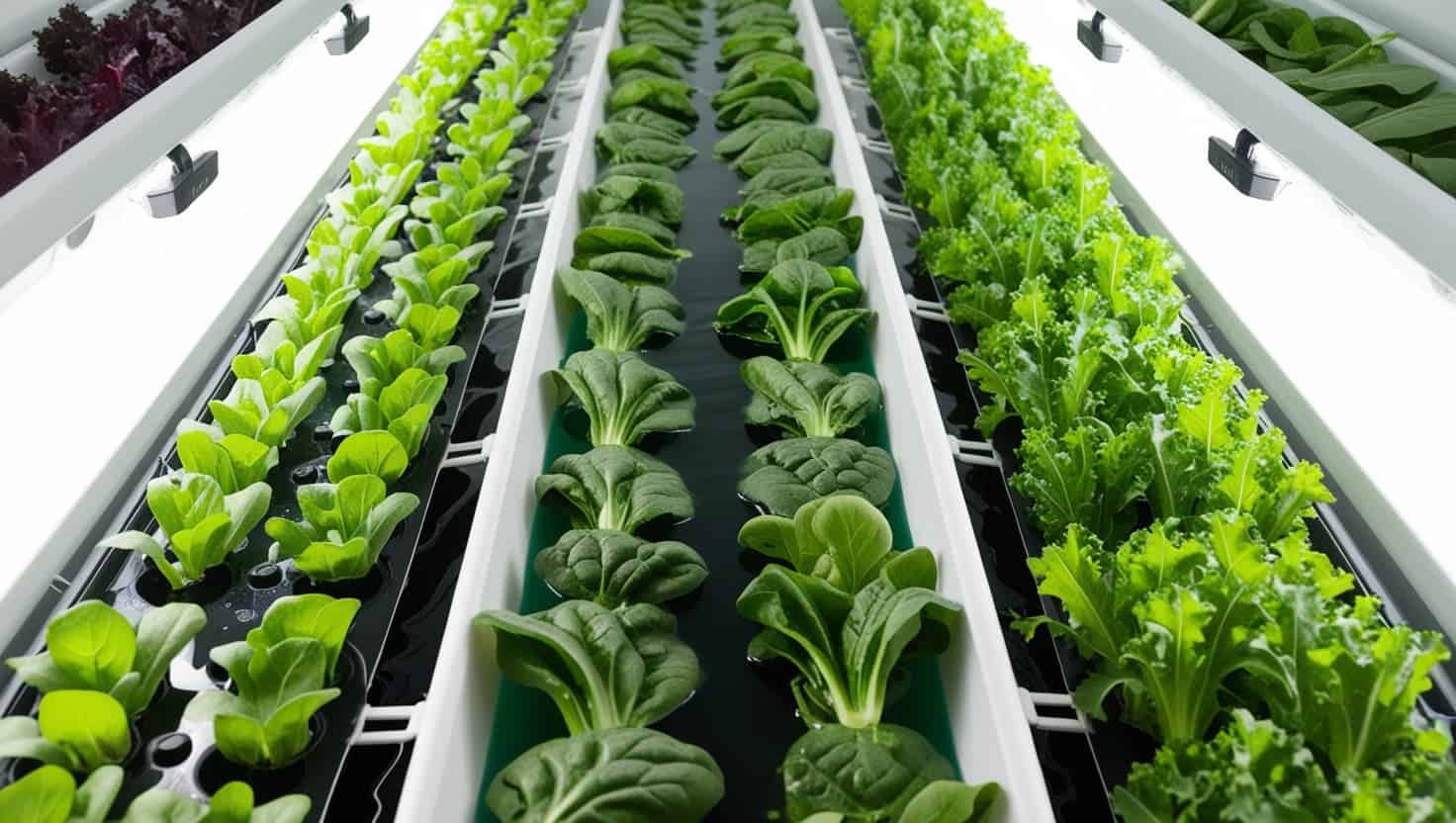
Maintaining the right pH ensures leaf greens absorb nutrients efficiently. This underscores the importance of pH in hydroponics, where balanced nutrient uptake leads to vigorous growth, disease resistance, and higher yields.
Improved Flavor, Texture, and Yield Quality
Optimal pH influences not just growth but also flavor and texture. For example, lettuce grown at the right pH tends to be crisp, and spinach maintains its bright green color and tender leaves.
Prevention of Nutrient Deficiencies and Growth Disorders
Proper pH prevents nutrient lockout, reducing the chance of deficiencies like chlorosis or tip burn. This saves time and money on corrective treatments.
Long-Term Soil and System Health through Proper pH Balance
For soil growers, maintaining pH also supports soil biology, ensuring sustainable conditions for future crops. Hydroponic growers avoid system imbalances and costly nutrient solution problems.
What are Practical Tips for Monitoring and Adjusting pH in Leafy Green Cultivation?
Techniques for Accurate pH Testing in Soil and Hydroponic Media
Handheld pH meters or test kits offer quick readings. Soil samples should be taken from multiple spots for an accurate average.
Hydroponic solution pH should be checked daily, preferably in the morning.
Common pH Adjustment Methods and Materials
To raise soil pH, gardeners use agricultural lime or wood ash. To lower pH, elemental sulfur or organic matter like pine needles can help.
In hydroponics, pH up and pH down solutions (usually potassium hydroxide or phosphoric acid) adjust nutrient solutions. [2]
Frequency and Timing of pH Monitoring for Different Cultivation Stages
Seedlings are sensitive; test pH frequently during early growth. Mature plants may tolerate minor fluctuations but regular checks every few days are wise, especially in hydroponics.
Troubleshooting pH-Related Problems in Leafy Green Crops
If you notice symptoms like yellowing or poor growth, test pH immediately. Adjust gradually, not drastically, to avoid shocking plants. Keep records of pH trends to anticipate recurring issues.
Summary Table of Optimal pH Ranges for Common Leafy Greens
| Leafy Green | Hydroponic pH Range | Soil pH Range |
| Lettuce | 5.5 – 6.5 | 6.0 – 7.0 |
| Spinach | 5.5 – 6.6 | 6.0 – 7.5 |
| Kale | 5.5 – 6.8 | 6.0 – 7.5 |
| Swiss Chard | 6.0 – 7.0 | 6.0 – 7.0 |
| Arugula | 6.0 – 7.0 | 6.0 – 7.0 |
| Bok Choy | 6.0 – 7.5 | 6.0 – 7.5 |
FAQ
What’s the ideal leafy greens pH for better growth and flavor?
The leafy greens pH sweet spot is usually slightly acidic to neutral. This range boosts leafy greens nutrient availability and improves taste.
The pH scale for vegetables shows how soil pH for leafy greens affects texture and yield. Too low or too high pH can limit nutrient uptake pH efficiency.
Knowing the optimal pH for lettuce, pH range for spinach, or kale pH preference helps you adjust soil or water, ensuring healthier plants and more flavorful harvests.
How do I manage pH for lettuce, spinach, and kale in soil or hydroponics?
For pH for lettuce cultivation, aim for the ideal soil pH lettuce range in gardens or the optimal pH for lettuce hydroponics. The pH range for spinach and best pH for kale growth also fall in the slightly acidic to neutral range.
Hydroponic pH control and pH monitoring in hydroponics prevent nutrient lockout pH issues. Adjusting soil pH for spinach or using hydroponic nutrient pH balance techniques keeps nutrient uptake pH efficient and leafy greens nutritional quality pH high.
Can spinach, collard greens, or mustard greens handle pH changes?
The pH range for spinach, pH for collard greens, and mustard greens soil pH all affect growth and flavor. Spinach alkaline tolerance exists, but extremes can cause nutrient deficiencies and pH-related stress.
In hydroponics, maintain the pH for mustard greens hydroponics or pH range for hydroponic kale with hydroponic pH optimization. Balanced pH start for leafy greens supports nutrient availability at different pH and improves pH and plant nutrient solubility for higher yields.
How do I test and adjust pH for leafy greens at home?
Soil testing pH leafy vegetables is the first step in pH management in vegetable growing. Use proper pH testing methods with pH measurement tools for gardening or pH testing kits for growers.
If acidic soil leafy greens problems or alkaline soil effects on leafy greens appear, use soil amendments for pH correction. In hydroponics, hydroponic nutrient adjustments keep hydroponic nutrient solution pH stable.
Regular monitoring prevents effects of pH imbalance on greens and supports sustainable leafy greens farming.
Conclusion
Watching plants fail isn’t fun, and sometimes it’s the invisible stuff that matters most. That pH meter sitting in the garden shed? It might just be the most valuable tool you’re not using.
Those leafy greens aren’t just being picky – they’re trying to tell you something about their environment. When the pH hits that sweet spot, everything else falls into place: stronger stems, darker leaves, better taste.
The difference shows up in the harvest basket, and even better, in the kitchen. For anyone serious about growing greens, pH testing isn’t just another garden chore – it’s the foundation of success. Your salad bowl will thank you later.
References
- https://www.researchgate.net/profile/Somen-Acharya/publication/355203288_Yield_and_quality_attributes_of_lettuce_and_spinach_grown_in_different_hydroponic_systems/links/6177bf900be8ec17a930656d/Yield-and-quality-attributes-of-lettuce-and-spinach-grown-in-different-hydroponic-systems.pdf?
- https://www.mdpi.com/2311-7524/9/7/837?
Related Articles
- https://tophydroponicgarden.com/hydroponic-ph-for-high-nutrient-systems/
- https://tophydroponicgarden.com/importance-of-ph-in-hydroponics/
- https://tophydroponicgarden.com/hydroponic-ph-guide-for-leafy-greens/
Was this helpful?

I’m Barrie L., a passionate hydroponic gardening enthusiast dedicated to cultivating thriving, soil-less gardens. With a focus on all things hydroponic, I share my expertise on innovative growing techniques and sustainable practices through my blog, tophydroponicgarden.com. As a seasoned hydroponics specialist, my goal is to inspire and guide fellow gardeners in harnessing the power of water-based cultivation for bountiful and eco-friendly harvests. I’m also an author of the book “Hydroponics For Absolute Beginners: Your Step By Step Guide For How To Create An Hydroponics System At Home Without Soil, For Growing Vegetable, Fruit And Herbs.” which is sold on Amazon. Join me on a journey of redefining the way we cultivate plants, one nutrient-rich solution at a time. Happy growing!