

Low Noise Hydroponic Water Pumps matter when your grow setup sits near a bedroom, kitchen, office, or living room. From checking small indoor systems, I’ve noticed that the pump itself is not always the only problem. Noise often comes from vibration, loose tubing, low water level, or a pump that works too hard for the setup.
A quiet pump should still move enough nutrient solution for healthy roots. The goal is not silence at the cost of weak flow. Read below to choose and set up a calmer pump without starving your plants.
The Quiet Pump Guide for Hydroponic Growers
- Choose the right pump size: An oversized pump can hum, splash, and vibrate more than needed, while an underpowered pump may strain and sound louder over time.
- Reduce vibration first: Rubber pads, stable placement, smooth tubing, and proper water level can quiet a system before you replace the pump.
- Keep flow steady: A low-noise pump still needs enough flow for the crop, system type, tubing height, and reservoir size.
The goal is not to chase the lowest sound rating only. The goal is to balance quiet operation, stable nutrient delivery, and easy maintenance.
Why Pump Noise Matters in Indoor Hydroponics
Pump noise matters more indoors because the sound repeats for hours. A small hum may feel harmless during the day, but it can become annoying when the system runs near a desk, bedroom, or quiet kitchen.
NIDCD hearing guidance explains:
“Sounds at or below 70 A-weighted decibels (dBA) are generally safe.” – NIDCD
That does not mean every pump near 70 dBA is comfortable for indoor growing. A constant hum can still disturb sleep, focus, or daily comfort even if it is not dangerously loud.
For home growers, the best pump is usually one you stop noticing. It should move water consistently, stay cool, and avoid rattling against the reservoir wall or grow shelf.
Noise should also be treated as a warning sign. A pump that suddenly gets louder may be sucking air, touching the container, clogging at the intake, or wearing down inside.
What Makes a Hydroponic Water Pump Noisy?

A hydroponic water pump can sound loud for several reasons. The most common one is vibration. When the pump touches a hard reservoir wall, shelf, or lid, the whole setup can act like a speaker and make the hum stronger.
Low water level is another common cause. A submersible pump should stay covered while running. If it pulls air, you may hear gurgling, grinding, or a rough rattling sound.
Tubing can also create noise. Tight bends, narrow tubing, and loose outlet lines force the pump to work harder. The sound may come from the tubing movement, splashing, or pressure changes.
A dirty intake makes the pump strain. Roots, algae, broken grow media, or leaf pieces can block the screen. When flow drops, the pump may run hotter and louder.
Sometimes the pump is simply the wrong type for the job. A high-powered pump in a tiny countertop system can create more noise than benefit.
Submersible vs Inline Pumps for Quiet Setups
Submersible and inline pumps can both work in hydroponics, but they behave differently indoors. A submersible pump sits inside the reservoir. Water around it can soften some sound, but the pump may still vibrate against the container.
An inline pump sits outside the reservoir. It can be easier to service, but it may sound louder because the motor is exposed to the room. It also needs secure plumbing so leaks and air intake do not create extra noise.
| Pump Type | Noise Strength | Best Use | Noise Risk |
|---|---|---|---|
| Small submersible pump | Often quieter in compact setups | Countertop systems, small NFT, small reservoirs | Can rattle against reservoir walls |
| Larger submersible pump | Quiet if well-sized and cushioned | Medium reservoirs and recirculating systems | Can add heat and vibration |
| Inline pump | Easier to access outside the tank | Larger systems and external plumbing | Motor sound may be more noticeable |
| Adjustable-flow pump | Good for fine-tuning noise and flow | Indoor systems needing flexibility | Too low a setting may reduce circulation |
For most small indoor growers, a quality submersible pump is the simplest quiet option. For larger systems, an inline pump may still work, but it needs better placement and vibration control.
If you are still comparing pump types, Top Hydroponic Garden’s water pumps guide can help you understand basic flow rate, pump type, and system fit.
How to Choose Low Noise Hydroponic Water Pumps
Low Noise Hydroponic Water Pumps should be chosen by system need, not just by a “quiet” label. Check the rated flow, head height, pump size, and whether the pump is designed for continuous operation.
A pump that barely meets your system requirement may run under strain. That can make it louder over time. A pump that is far too strong may cause splashing, vibration, and extra heat.
Look for adjustable flow if your system is small or indoor. Adjustable pumps let you reduce turbulence without starving the plants. This is useful for herbs, leafy greens, and small NFT channels.
The pump body also matters. Rubber feet, smooth casing, secure suction cups, and a stable base help reduce vibration. A pump that slides around inside the reservoir will usually sound louder than one that stays still.
Before buying, read user notes about hum, rattle, and long-term noise. A pump can be quiet on day one but noisy after mineral buildup or poor cleaning.
Quiet Setup Tips Before Replacing the Pump
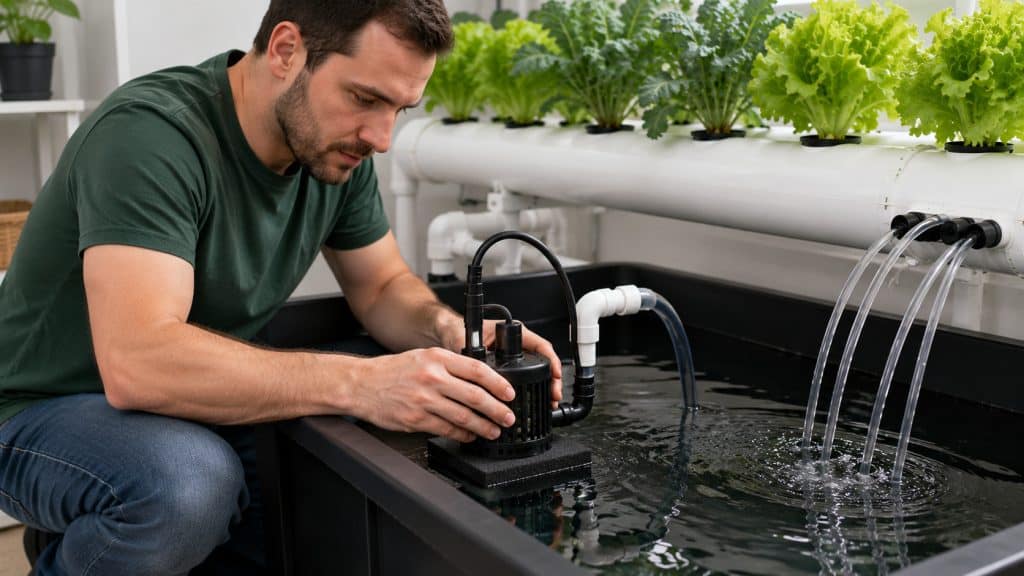
Before replacing the pump, fix the setup. Many noisy pumps become quieter once the reservoir, tubing, and intake are adjusted.
Start by checking water level. A submersible pump should not pull air. If the reservoir level is low, top it up and listen again.
Next, move the pump away from hard surfaces. If it touches the reservoir wall, lid, or shelf, vibration can travel through the whole system. A clean rubber pad or soft pump base can reduce that transfer.
Check the tubing path. Short, smooth tubing usually runs quieter than tubing with sharp bends or loops. Secure loose outlet tubing so it does not tap against the channel or reservoir.
Clean the intake screen. A blocked intake can make a pump work harder and sound rough. If the pump has a removable cover, rinse it during normal maintenance.
Flow Rate, Head Height, and Noise
Flow rate and head height affect noise because they change how hard the pump works. A pump may sound quiet in the box but louder when it has to push water higher than expected.
Head height means the vertical lift from the pump to the outlet. The higher the lift, the more output drops. If the pump is near its limit, it may run hotter, louder, or less consistently.
Long tubing also adds resistance. Every bend, narrow tube, filter, or valve can reduce flow. When water struggles through the system, vibration and splashing often increase.
| Setup Factor | How It Can Increase Noise | Better Fix |
|---|---|---|
| Low water level | Pump pulls air and gurgles | Keep the pump fully submerged |
| High vertical lift | Pump strains to push water upward | Choose a pump with enough head height |
| Kinked tubing | Flow becomes restricted | Use smooth curves and proper tubing size |
| Loose tubing | Tubing taps or vibrates | Clip or secure tubing gently |
| Dirty intake | Pump works harder | Clean intake screens regularly |
| Oversized pump | Too much flow creates splashing | Use adjustable flow or a better-sized pump |
Do not judge pump noise only from the pump itself. Listen to the reservoir, tubing, shelf, and water return. Sometimes the loudest sound is not the motor, but the system around it.
Low Noise Pumps for DWC, NFT, and Drip Systems
Different systems create different noise problems. A deep water culture setup may be noisy because of air pumps, bubbles, and vibration. NFT systems may hum from the water pump and splash at the return line. Drip systems may click, pulse, or rattle if pressure and tubing are not balanced.
USDA National Agricultural Library explains:
“Hydroponics is the technique of growing plants using a water-based nutrient solution rather than soil.” – USDA National Agricultural Library
Because hydroponics depends on water-based nutrient delivery, quiet operation should not reduce circulation too far. Roots still need moisture, nutrients, and oxygen support.
For NFT, keep the flow steady and avoid loud return splashing. For DWC, separate water pump noise from air pump noise before buying new equipment. For drip systems, check emitters, filters, and pressure balance.
Top Hydroponic Garden’s guide to water pumps for nutrient delivery can help connect pump choice with nutrient movement instead of noise alone.
Watch Pump Noise Troubleshooting Before Replacing Yours
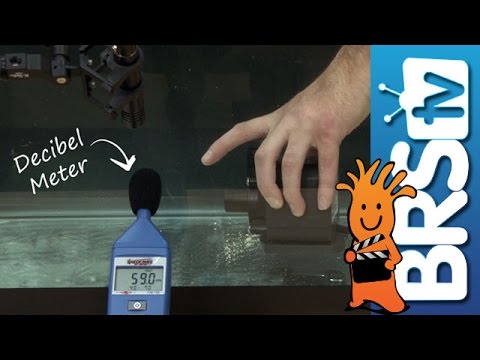
Credits: Bulk Reef Supply
A visual guide can help you understand how pump noise often comes from vibration, placement, and contact with surrounding equipment. Watch how the pump sits, how vibration transfers, and how small setup changes can reduce sound.
Use the video as a troubleshooting reference, not as a fixed hydroponic layout. Your reservoir, tubing, pump type, and grow system may be different.
Common Mistakes That Make Pumps Louder
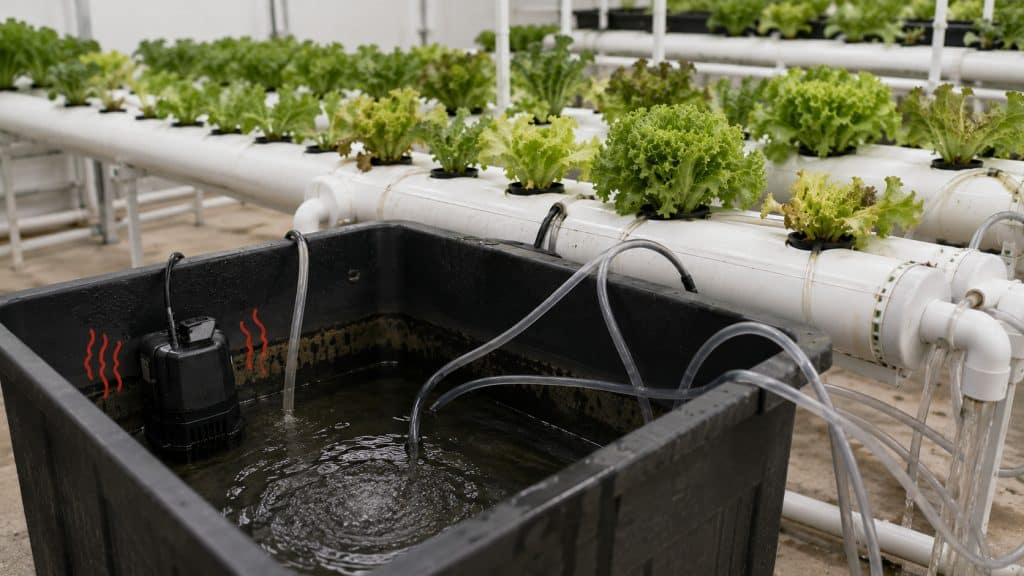
The first mistake is letting the pump touch hard surfaces. If the pump presses against the reservoir wall, it can turn a small vibration into a loud hum.
The second mistake is ignoring water level. A submersible pump that pulls air can sound rough and may wear faster.
Another mistake is hiding the pump so well that it never gets cleaned. Roots, algae, and mineral buildup can clog the intake and make the pump strain.
Some growers also choose too much power. A pump that blasts water through a tiny system can create splashing, heat, and extra vibration.
Finally, many people replace the pump before checking the tubing. A kinked line can make a good pump sound bad.
Quiet Pump Troubleshooting Chart
Use this chart when your hydroponic system sounds louder than expected.
| Noise Type | Likely Cause | First Fix |
|---|---|---|
| Low hum | Pump vibration touching the reservoir | Add a rubber pad or move the pump away from the wall |
| Gurgling | Low water level or air entering intake | Top up reservoir and keep pump submerged |
| Grinding | Debris or worn impeller | Clean the pump and inspect moving parts |
| Rattling | Loose tubing or pump against hard plastic | Secure tubing and stabilize the pump |
| Splashing | Return line drops water too far | Lower the return outlet or soften the water entry |
| Buzzing after cleaning | Pump cover not seated properly | Reassemble cover and check suction cups |
Change one thing at a time. If you move the pump, replace tubing, and change flow rate together, you may not know which fix actually worked.
Maintenance Tips for a Quieter Pump
Low noise depends on maintenance. Even a quiet pump can become loud if the intake clogs, the impeller gets dirty, or tubing hardens over time.
Clean the pump intake during regular reservoir checks. If your system grows fast roots or algae, check more often.
Inspect suction cups or rubber feet. When they wear out, the pump may slide or vibrate against the tank.
Flush tubing if flow starts to drop. A half-clogged line can create pressure, noise, and uneven delivery.
Top Hydroponic Garden’s hydroponic garden maintenance guide is useful if you want pump checks to fit into a full system routine.
A quiet system is usually a clean system. When the reservoir, tubing, intake, and return line stay clear, the pump does not have to fight the setup.
When Should You Replace a Noisy Pump?
A pump does not need replacement just because it hums. First check water level, intake screen, tubing, pump position, and vibration transfer.
Replace the pump if the noise continues after cleaning and setup fixes. Grinding, overheating, weak flow, and repeated restarts are stronger warning signs than a normal low hum.
Also replace the pump if it no longer matches the system. If you expanded from one tray to several channels, the old pump may be working too hard.
For indoor growers, comfort matters too. If the pump runs near a bedroom or office and keeps bothering you, a better low-noise model can make the whole hydroponic setup easier to live with.
The best replacement is not always the most powerful one. Choose a pump that matches flow needs, head height, and room comfort.
FAQ
What are Low Noise Hydroponic Water Pumps?
Low Noise Hydroponic Water Pumps are pumps designed or set up to reduce hum, vibration, rattling, and splashing while still moving enough nutrient solution through a hydroponic system.
Why is my hydroponic water pump so loud?
A hydroponic water pump may sound loud because of low water level, vibration against the reservoir, clogged intake, kinked tubing, loose parts, or a pump that is too strong or too weak for the system.
Are submersible pumps quieter than inline pumps?
Submersible pumps are often quieter in small indoor systems because water surrounds the pump body. Inline pumps can be louder in the room but may be easier to access and better for larger systems.
How do I reduce hydroponic pump vibration?
Move the pump away from hard reservoir walls, use rubber feet or a clean vibration pad, secure tubing, keep the pump submerged, and clean the intake screen regularly.
Can a quiet pump still move enough water?
Yes, a quiet pump can still move enough water if it is sized correctly for flow rate, head height, tubing length, and system type. Quiet should not mean underpowered.
A Quieter Pump Makes Indoor Growing Easier
Low Noise Hydroponic Water Pumps make indoor growing easier because they reduce constant hum while keeping nutrient solution moving. The best setup balances comfort and plant health.
Start with simple fixes before buying a new pump. Check water level, clean the intake, reduce vibration, smooth the tubing path, and listen for where the noise actually starts.
For Top Hydroponic Garden readers, the safest choice is a pump that fits the system instead of overpowering it. When the pump is clean, stable, and properly sized, your hydroponic garden can run quietly in the background without disturbing the room.
References
- https://www.nidcd.nih.gov/news/2020/do-you-know-how-loud-too-loud
- https://www.nal.usda.gov/farms-and-agricultural-production-systems/hydroponics
Related Articles
- https://tophydroponicgarden.com/water-pumps/
- https://tophydroponicgarden.com/water-pumps-for-nutrient-delivery/
- https://tophydroponicgarden.com/hydroponic-garden-maintenance/
Was this helpful?

I’m Barrie L., a passionate hydroponic gardening enthusiast dedicated to cultivating thriving, soil-less gardens. With a focus on all things hydroponic, I share my expertise on innovative growing techniques and sustainable practices through my blog, tophydroponicgarden.com. As a seasoned hydroponics specialist, my goal is to inspire and guide fellow gardeners in harnessing the power of water-based cultivation for bountiful and eco-friendly harvests. I’m also an author of the book “Hydroponics For Absolute Beginners: Your Step By Step Guide For How To Create An Hydroponics System At Home Without Soil, For Growing Vegetable, Fruit And Herbs.” which is sold on Amazon. Join me on a journey of redefining the way we cultivate plants, one nutrient-rich solution at a time. Happy growing!