

Growing plants in water instead of soil might sound strange, but hydroponic farming has proven its worth.
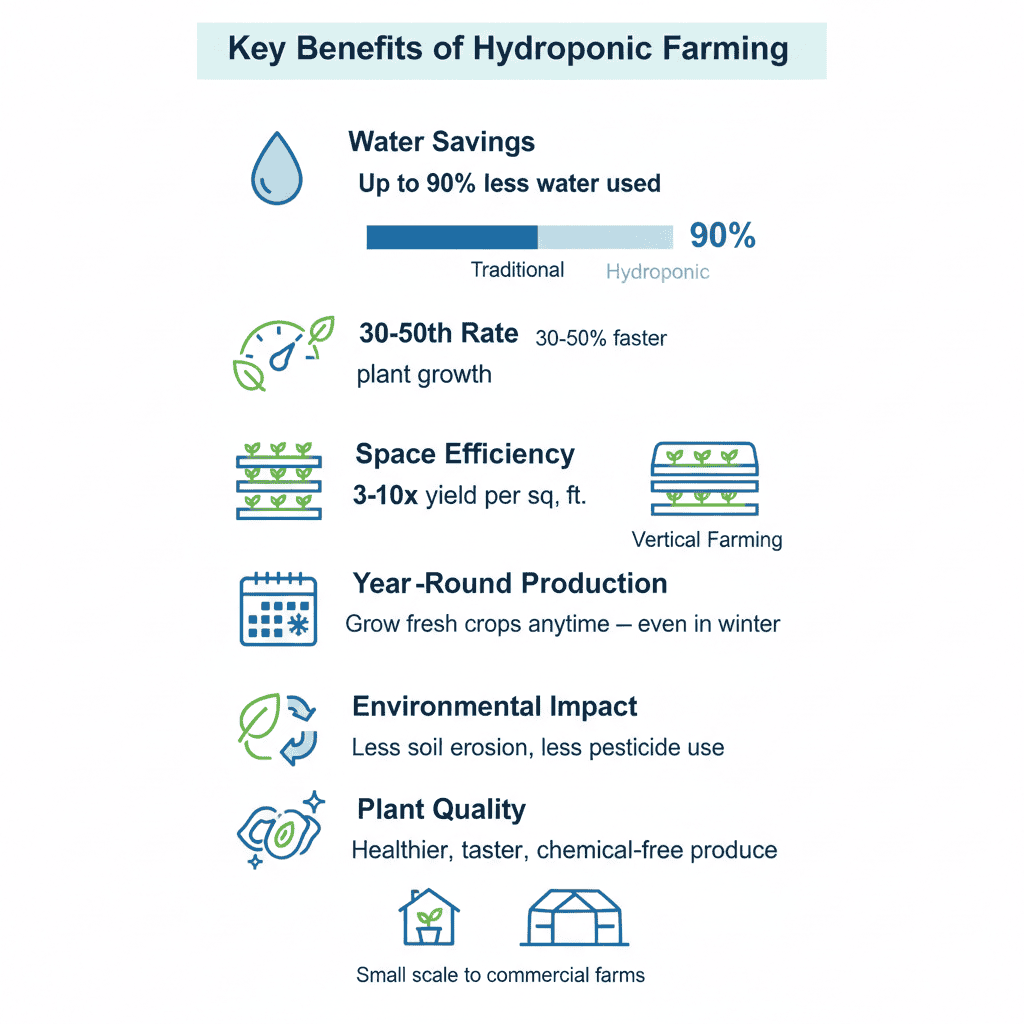
Plants thrive in nutrient-rich water solutions, cutting water usage by up to 90% compared to traditional methods.
The roots don’t have to search for food, so plants grow 30-50% faster, and the whole setup fits neatly into a spare room or basement.
Year-round growing means fresh tomatoes in December, and the controlled environment leads to healthier crops with fewer pest problems.
Want to learn how this soil-free gardening could reshape our food system? Let’s explore the science behind hydroponics.
Key Takeaways
- Hydroponics uses up to 90% less water than traditional soil farming.
- Crop yields can be 3 to 10 times greater with space-saving vertical systems.
- Controlled conditions let plants grow faster and year-round, boosting food supply.
What is Hydroponic Farming and Why Does It Matter?
Hydroponic farming means growing plants without soil, instead using water loaded with essential nutrients, a concept that’s fully explained in hydroponics introduction discussions.
This method has grown popular because traditional farming faces big challenges: water shortages, soil erosion, and heavy pesticide use.
Soil quality keeps declining in many places, which limits how much food can be grown on land.
Unlike conventional farming, hydroponics supports plant roots directly in a nutrient solution. This lets growers control exactly what plants get, avoiding problems tied to poor soil.
Given climate change and rising food demand, hydroponic farming offers a promising alternative to keep crops growing efficiently and sustainably (1).
Water Efficiency and Conservation

Water is a major concern in farming. Traditional agriculture wastes lots of it through evaporation and runoff.
Hydroponic systems cut that waste sharply by recirculating water. The process reflects how hydroponics work simply, nutrient-rich water flows directly to the roots, then gets reused again and again.
- Hydroponics can use up to 90% less water compared to soil-grown crops.
- For example, growing leafy greens hydroponically in the United States uses far less water than field farming.
- This water-saving advantage is vital in areas where water quality and availability are limited.
By conserving water, hydroponic farming helps reduce strain on local supplies and supports sustainable food production even in drought-prone regions.
Space Optimization and Increased Yield
Since hydroponics doesn’t rely on soil, plants can grow closer together without competing for nutrients.
Roots are suspended in water or a soilless growing medium, which supports denser planting.
Vertical farming systems take this even further by stacking layers of crops, maximizing limited space.
- Vertical hydroponic farms can yield 3 to 10 times more crops per square foot than traditional soil farming.
- This method fits well in urban environments and places where arable land is scarce.
- Hydroponic systems support large amounts of plant roots in a compact area, boosting productivity.
With space becoming a premium resource, especially near cities, hydroponic farming helps produce more food on smaller footprints.
Faster Growth and Year-Round Production
Credit: Village Vibes
Plants grown hydroponically often mature 25 to 50 percent faster than soil-grown crops.
This is because they receive a precise amount of nutrients and water directly, plus ideal light, temperature, and humidity levels.
The controlled environment reduces stress on plants and speeds up growth cycles.
- Hydroponic farms allow growing plants year-round regardless of outdoor seasons (2).
- Crops can be produced out of their natural season, improving food security.
- Faster, continuous production meets demand better than traditional farming methods limited by weather.
This ability to grow crops anytime offers farmers more control and consumers more consistent food supplies.
Environmental Sustainability
Hydroponic farming reduces the environmental damage caused by traditional agriculture. It eliminates soil erosion since no soil is used, and nutrient runoff is minimized thanks to closed-loop water systems.
These setups often rely on running water in hydroponics systems that circulate nutrients efficiently, ensuring minimal waste and consistent plant hydration.
There’s also less need for pesticides or herbicides because plants are grown in controlled, indoor or greenhouse conditions.
- Nutrient solutions are recycled, reducing pollution.
- Hydroponic farms can integrate renewable energy to further cut their ecological footprint.
- This sustainable approach supports cleaner water resources and healthier ecosystems.
For communities worried about farming’s impact on nature, hydroponics offers a way to produce food with fewer harmful side effects.
Superior Plant Quality and Health
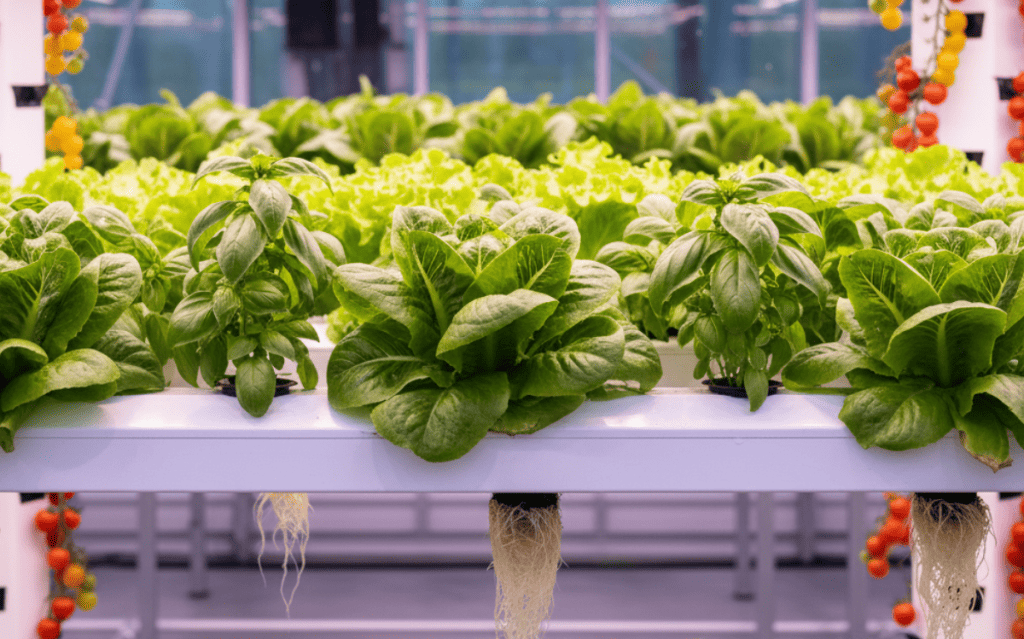
Growing plants with precise control over water and nutrients tends to produce healthier crops. Hydroponic plants often taste better, have stronger aromas, and pack more nutrients.
Plus, since there’s no soil, many soil-borne diseases and pests are avoided. This cuts down on chemical treatments needed to protect crops.
- Hydroponic produce is often organic and safer to eat.
- Controlled environments mean more consistent quality.
- Plants grown hydroponically tend to be more resilient and vigorous.
This means consumers can enjoy fresh, flavorful, and nutritious food that’s grown with fewer chemicals.
Flexibility, Scalability, and Applications
Hydroponic farming isn’t just for big commercial operations. Systems can scale from small home gardens to large vertical farms.
They suit many crops, from leafy greens to herbs and even some fruits. Hydroponics is used in schools for education, healthcare facilities for fresh produce, and urban farms to improve food access.
- Hydroponic systems adapt to different spaces and crop needs.
- They support both hobbyist growers and large-scale commercial farms.
- This versatility expands opportunities for sustainable agriculture everywhere.
The ability to customize system size and crop type makes hydroponics a flexible farming method for diverse needs.
Looking Ahead: Hydroponic Farming’s Role in Food Security
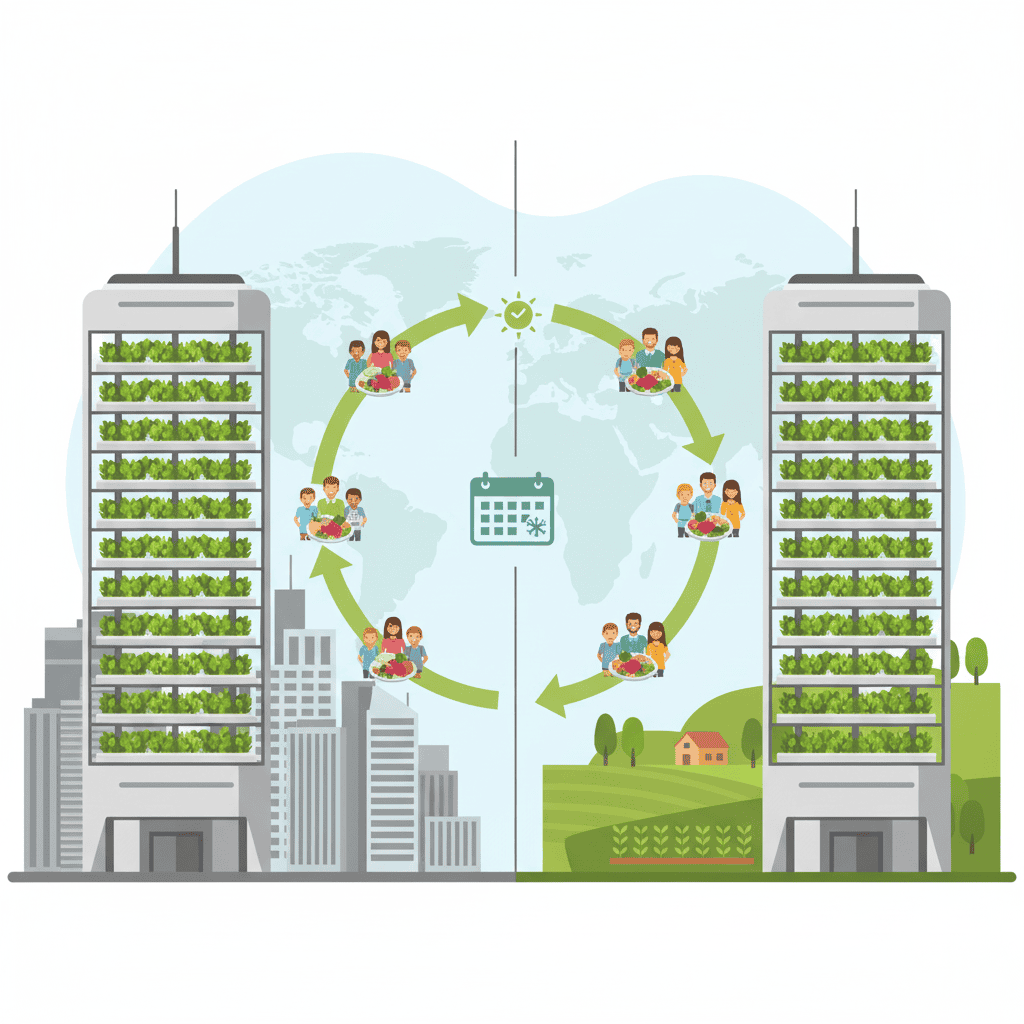
As the world faces climate change, shrinking arable land, and growing populations, food production must become more efficient and sustainable.
Hydroponic farming addresses many of these challenges by saving water, using less space, speeding growth, and protecting the environment.
While it needs investment and some technical knowledge, the advantages are clear. Hydroponic systems may soon become vital tools to grow more food in places where traditional farming struggles.
Their key benefits offer hope for a future where fresh, healthy crops are available year-round with a smaller footprint.
If you’re interested in sustainable farming or urban gardening, hydroponic farming offers practical solutions worth exploring.
Whether you want to grow your own leafy greens indoors or support large-scale hydroponic farms, understanding these benefits can help you make informed choices for the future of food production.
FAQ
How does hydroponic farming help plants grow faster than traditional methods?
Hydroponic farming helps plants grow faster because the roots receive essential nutrients directly through a nutrient solution instead of relying on soil.
This method maintains ideal water quality, temperature, and lighting for healthy hydroponic plants.
Unlike soil-grown crops, hydroponic crops absorb water and nutrients more efficiently, which leads to higher yields and quicker growth compared to traditional farming methods.
What are the main advantages of hydroponic farming compared to soil farming?
The key benefits of hydroponic farming include faster plant growth, better water conservation, and reduced soil erosion.
Hydroponic systems use significantly less water than traditional field farming because they recycle it continuously.
This growing method allows plants to thrive in smaller spaces, making it ideal for urban farming and large-scale indoor hydroponic food production.
Can hydroponic farming produce crops year round?
Yes, hydroponic farming can produce crops year round because it relies on a controlled environment that is not affected by weather changes.
In hydroponic farms, plants are grown indoors where light, temperature, and humidity are carefully managed. This system ensures a steady supply of fresh hydroponic produce, regardless of climate change, soil quality, or seasonal limitations.
How does hydroponic farming save space and resources?
Hydroponic farming saves space and resources by using vertical farming systems that stack multiple layers of plants in one area. This design allows growers to maximize yield while using less land.
Hydroponic systems also control the amount of nutrients and water given to plants, preventing waste and supporting sustainable food production with minimal environmental impact.
Why is hydroponic farming becoming popular in the United States?
Hydroponic farming is becoming increasingly popular in the United States because it allows growers to produce food efficiently in areas with poor soil quality or limited land.
Controlled environment agriculture supports reliable crop yields and consistent quality.
Many farmers now use hydroponic systems to grow leafy greens and other crops, offering a sustainable alternative to conventional farming.
Conclusion
Hydroponic farming changes how we grow food by using less water, squeezing more crops into less space, and speeding up plant growth all year long.
It also cuts down on environmental harm and produces healthier, tastier plants. For anyone curious about sustainable agriculture or urban gardening, hydroponics offers real advantages that traditional soil farming just can’t match.
While it takes some know-how and upfront effort, the payoff in higher yields, water savings, and food security is hard to ignore.
Considering these benefits, hydroponic farming stands out as a practical, forward-thinking way to meet future food demands.
References
- https://www.imarcgroup.com/hydroponics-market
- https://www.globenewswire.com/news-release/2024/10/11/2961848/28124/en/Hydroponics-Market-Report-2024-2032-Global-and-Regional-Analysis-and-Opportunities-by-Type-Crop-Type-and-Equipment-Total-Revenues-Forecast-to-Reach-32-5-Billion.html
Related Articles
- https://tophydroponicgarden.com/hydroponics-introduction/
- https://tophydroponicgarden.com/how-does-hydroponics-work-simply/
- https://tophydroponicgarden.com/does-hydroponics-need-running-water/
Was this helpful?

I’m Barrie L., a passionate hydroponic gardening enthusiast dedicated to cultivating thriving, soil-less gardens. With a focus on all things hydroponic, I share my expertise on innovative growing techniques and sustainable practices through my blog, tophydroponicgarden.com. As a seasoned hydroponics specialist, my goal is to inspire and guide fellow gardeners in harnessing the power of water-based cultivation for bountiful and eco-friendly harvests. I’m also an author of the book “Hydroponics For Absolute Beginners: Your Step By Step Guide For How To Create An Hydroponics System At Home Without Soil, For Growing Vegetable, Fruit And Herbs.” which is sold on Amazon. Join me on a journey of redefining the way we cultivate plants, one nutrient-rich solution at a time. Happy growing!