

Hydroponics seems like the future of gardening. But many wonder: is hydroponics a set it and forget it system? The short answer is it depends on the method.
The Kratky method stands out as a low-maintenance, passive system where you set it up once and let plants grow without much fuss.
Other systems like NFT, deep water culture, and aeroponics need regular checks and care. Knowing how to handle nutrient solutions, monitor pH levels, and manage equipment is key. Keep reading to get a clear picture about hydroponic systems and their maintenance needs.
Key Takeaways
- The Kratky method is a true set it and forget it hydroponic system, best for leafy greens and herbs.
- Active systems require ongoing monitoring of pH, nutrient levels, and equipment like pumps.
- Choosing the right hydroponic system depends on your time, budget, and the crops you want to grow.
Hydroponic System Types and Their Maintenance Needs
Hydroponics comes in many forms. The big question is how much work each system demands. The Kratky method is the easiest. It’s passive.
You fill a container with nutrient solution, place seedlings in net pots, and wait. No pumps or aerators are needed.
The plant roots get nutrients and oxygen as the water level drops, creating a natural air gap. This means you don’t have to refill or adjust anything until harvest.
- Simple setup: a gallon bucket or tote, net pots, and nutrient solution.
- No electricity needed.
- Great for short-cycle crops like lettuce and herbs.
- Minimal monitoring, check pH and water quality initially.
Other hydroponic systems, like nutrient film technique (NFT), deep water culture (DWC), and aeroponics, are more complex.
They use pumps to circulate water and nutrients. This keeps roots oxygenated but requires constant attention.
You’ll need to:
- Monitor pH and electrical conductivity (EC) regularly.
- Replenish nutrients and water often.
- Maintain pumps and aerators to avoid failures.
These active systems can grow a wider range of plants, including fruiting crops like tomatoes, but they need more care.
Maintenance Effort and Complexity
Setting up a Kratky system is straightforward. Once you balance the nutrient solution and place seedlings, you mostly wait.
It’s low risk if done right. No moving parts means fewer things can go wrong. Still, you must get your pH balanced and nutrient solution mixed correctly at the start.
Active systems bring more challenges. Pumps can fail, nutrients can run low, and pH can drift. Regular checks are mandatory.
You might use a pH meter or pH strips to keep levels in the optimal range. Electrical conductivity sensors help track nutrient concentration. Neglect here can stunt plant growth or cause crop failure.
Learning how to make nutrient solution for hydroponics is a key skill for maintaining healthy plants in these systems.
- Kratky: low complexity, low risk, low cost.
- Active: higher complexity, more risk, higher cost.
Nutrient Solution Handling and Monitoring

Both systems start the same way: prepare a nutrient solution with the right mix of essential nutrients. This includes nitrogen, phosphorus, potassium, and trace minerals. Checking the source water quality is important too. You want a balanced pH, usually around 5.5 to 6.5.
In Kratky, you fill the reservoir once. That’s it. No topping off or adjusting during growth. Plants grow until harvest with the initial nutrients.
Plants grow until harvest with the initial nutrients. Understanding the principles behind hydroponic nutrients helps ensure your plants get the right balance for optimal growth.
Active systems require ongoing monitoring. You check the water and nutrient levels, adjust pH as needed, and replace or top off solutions. This keeps plants healthy but adds work.
Cost and Power Requirements
The Kratky method shines here. It’s cheap to set up: a few net pots, a container, and nutrient solution. No need for pumps or electricity. This means low operational costs too.
Active systems can cost more upfront and need electricity to run pumps and grow lights. That adds energy bills and maintenance costs. Still, they might offer higher yields and plant diversity.
Plant Growth Outcomes and Suitability
If you want quick, easy greens like lettuce or herbs, Kratky is ideal. They grow well in this passive setup. The system is well suited for short-cycle crops that don’t need complex nutrient management.
For fruiting crops like tomatoes or peppers, or plants with longer growth cycles, active systems win. They provide steady nutrient flow, oxygen, and control that these demanding plants require.
Practical Tips for Hydroponic Gardeners

Credits: HumbleGrowthHydroponics
Choose your system based on your time, space, and goals. If you want low hassle and fresh greens, try the Kratky method. Prepare a pH balanced nutrient solution carefully. Use net pots with coconut coir or grow cubes as growing media. Make sure the water source is clean.
For active systems, schedule regular checks of pumps, pH, and nutrient levels. Consider investing in a pH meter and EC meter.
Research from Oklahoma State University shows optimal electrical conductivity and pH ranges for various hydroponic crops, which can guide your monitoring efforts. [1]
Preventative maintenance will save headaches. Preventative maintenance will save headaches. Using grow lights indoors may add complexity but can extend your growing season.
Getting familiar with hydroponics for beginners basics, including media and nutrient handling, can make your gardening experience more successful.
How Hydroponics Fits Your Lifestyle
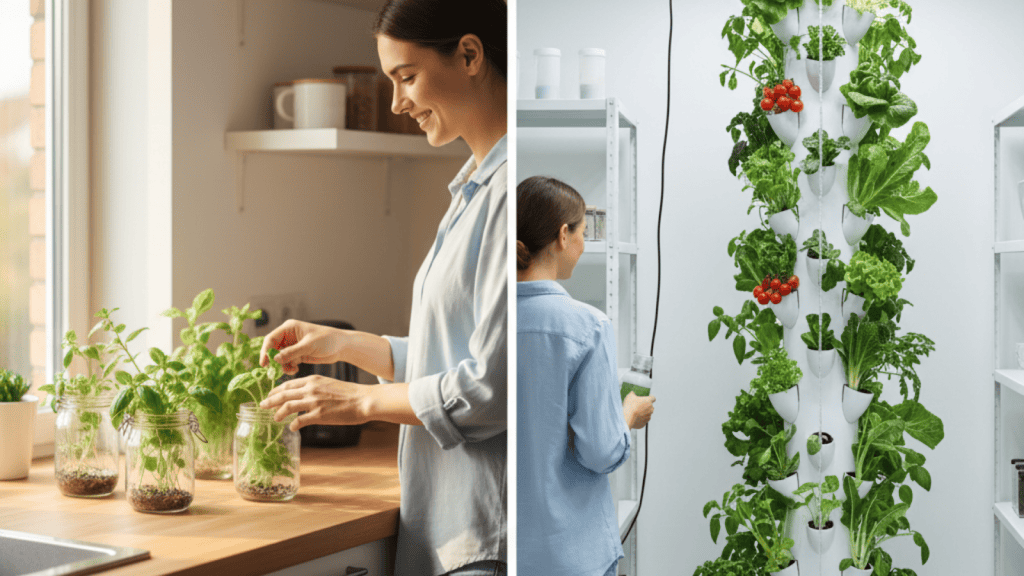
Hydroponics can be a set it and forget it system, but only if you pick the right method. The Kratky system offers a simple, affordable way to grow plants with almost no maintenance.
Other hydroponic systems need more involvement but support a wider range of crops and potentially higher yields.
Understanding the differences helps you pick a system that fits your time and skill level. Whether you’re a beginner wanting to start seeds indoors or an enthusiast aiming for diverse crops, there’s a hydroponic setup that works. Just prepare your nutrient solutions well, monitor your plants, and adjust as needed.
Automation and Technology in Hydroponics
For those interested in tech, hydroponics offers automation possibilities. Research on automation and robotics in hydroponics demonstrates how sensors can monitor pH, EC, temperature, and water levels. Automated dosing systems add nutrients as needed. [2]
- This tech is mostly used with active systems.
- It reduces manual checks but requires upfront investment.
- Even with automation, occasional hands-on care is necessary.
If your goal is true “set it and forget it,” technology can help , but only after mastering basic system management.
Hydroponics and Sustainability
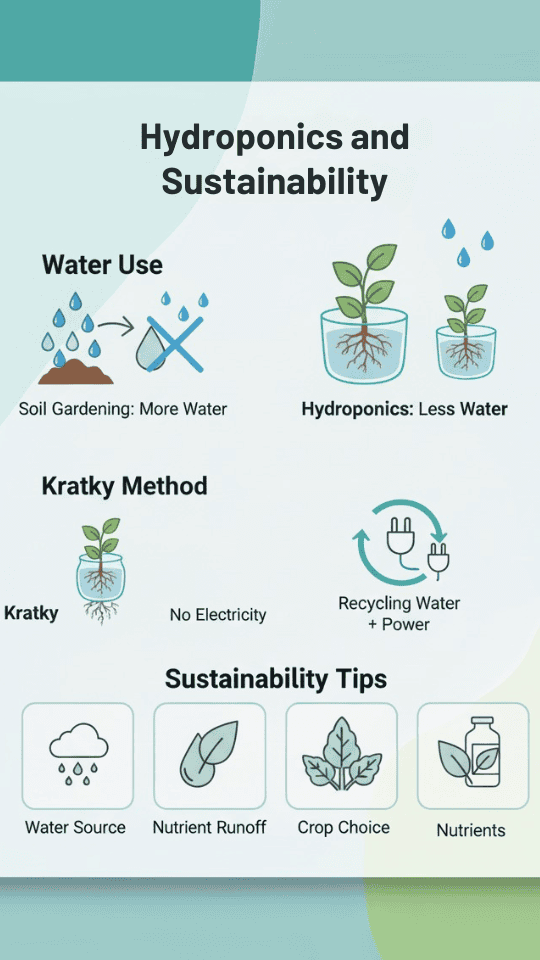
Hydroponics uses less water than soil gardening, making it eco-friendly. The Kratky method uses no electricity, adding to its green credentials.
Active systems might use more power but recycle water efficiently. Choosing a hydroponic method that fits your sustainability goals is possible.
- Consider water source and nutrient runoff management.
- Grow crops suited to your system to minimize waste.
- Use organic or environmentally friendly nutrient solutions when possible.
FAQ
What makes the kratky method a true set it and forget it hydroponic system?
The kratky method works without pumps. You fill a gallon bucket with nutrient solution, put seedlings in net pots, and let plants grow. As water goes down, plant roots get air. This simple system needs no work once you start seeds and check the ph. It works great for leafy greens like lettuce. No electricity needed.
How do nft systems differ from forget it hydroponics?
Nft systems need lots of care. They use pumps to move water and nutrients to plant roots. You must watch ph level, water quality, and nutrient solutions all the time. Unlike kratky system setups, nft systems need checking and fixing equipment. They work better for crops like tomatoes but need constant attention.
What do you need to start a simple hydroponic garden?
You need net pots, a gallon bucket, growing media like grow cubes, and nutrient solutions. A ph meter helps check your water source. For kratky method, make an inch hole in your lid for each net pot. Add nutrient solution, put starting seeds in growing media, and start growing plants.
Why do active hydroponic systems need more work than passive ones?
Active systems use pumps to move water and nutrients. More parts means more problems. You need to check ph level often and watch for pump failures. Deep water culture systems need adjusting the ph and replacing nutrient solutions. This makes them hard work, not set it and forget like the simple kratky method.
Hydroponics and the Set It and Forget It Question
Hydroponics is often thought of as a futuristic, effortless way to grow food. But the truth is, it depends on the system.
Only the Kratky method lives up to the set it and forget it label fully. It’s simple, cheap, and doesn’t need electricity or constant care.
You set it up with net pots and a gallon bucket of nutrient solution, balance the pH, and let the plants grow.
Other hydroponic systems require pumps, aerators, and regular monitoring of nutrient solutions. They offer more control and crop variety but need more time and commitment.
If you want a hydroponic garden that fits your busy life, the Kratky method is a good start. For those willing to get their hands dirty and manage pumps and nutrient cycles, active systems can be rewarding.
Conclusion
Understanding the maintenance needs, costs, and plant suitability helps you pick the right hydroponic system. Whether you want a quiet, simple garden or a more involved hydroponic setup, there’s a fit for you. Remember, no system is completely hands-off if you want healthy plants. But with the right approach, you can keep your hydroponic garden running smoothly with surprisingly little effort.
References
- https://extension.okstate.edu/fact-sheets/electrical-conductivity-and-ph-guide-for-hydroponics.html
- https://www.intechopen.com/chapters/70662
Related Articles
- https://tophydroponicgarden.com/understanding-hydroponic-nutrients/
- https://tophydroponicgarden.com/how-to-make-nutrient-solution-for-hydroponics/
- https://tophydroponicgarden.com/hydroponics-for-beginners/
Was this helpful?

I’m Barrie L., a passionate hydroponic gardening enthusiast dedicated to cultivating thriving, soil-less gardens. With a focus on all things hydroponic, I share my expertise on innovative growing techniques and sustainable practices through my blog, tophydroponicgarden.com. As a seasoned hydroponics specialist, my goal is to inspire and guide fellow gardeners in harnessing the power of water-based cultivation for bountiful and eco-friendly harvests. I’m also an author of the book “Hydroponics For Absolute Beginners: Your Step By Step Guide For How To Create An Hydroponics System At Home Without Soil, For Growing Vegetable, Fruit And Herbs.” which is sold on Amazon. Join me on a journey of redefining the way we cultivate plants, one nutrient-rich solution at a time. Happy growing!