

The life and death of plants comes down to tiny numbers on a pH meter. Stop by any hydroponic setup, and you’ll see growers obsessing over these readings like they’re watching the stock market.
pH isn’t complicated – it’s just a gatekeeper that decides which nutrients get through to the roots. Most plants want things a bit acidic, around 5.5 to 6.5, to eat right.
Get it wrong, and you’re just pouring money down the drain while your plants starve. Doesn’t matter if you’re growing Thai basil or beefsteak tomatoes, these numbers make or break a garden.
Key Takeaways
- Most hydroponic plants do best slightly on the acidic side (5.5 to 6.5), but they’re not all the same
- Leafy stuff like spinach and kale don’t mind things a bit less acidic
- You’ve got to keep checking and adjusting pH, or your plants won’t eat right
Hydroponic pH Ranges for Specific Plants: Optimal Growth Conditions
The whole pH thing isn’t rocket science, but it’s close to stomach acid – when it’s off, nothing works right. Plants can’t eat when their environment isn’t balanced, just like people can’t digest food properly with messed up stomach acid.
Most plants in water systems like things a little sour, usually 5.5 to 6.5, though some are more particular than others. Lettuce grows like crazy between 5.5 and 6.5, soaking up nitrogen, phosphorus, and potassium to make those perfect leaves everyone wants.
Spinach (kind of a prima donna, really) prefers things less acidic, around 6.0 to 7.0. Tomatoes and peppers aren’t so picky – they’ll thrive in that standard 5.5 to 6.5 range, which helps them pump out more fruit with better taste.
Any grower who’s been at this a while knows it’s not just about following numbers on a chart. It’s about watching your plants, really seeing them.
When pH goes wrong, they can’t eat right, and they’ll tell you with yellow leaves or stunted growth. That’s usually the difference between filling your harvest bins or barely filling a salad bowl.
What are Hydroponic pH Ranges for Leafy Greens?
Leafy greens pretty much run the show in hydroponics – they grow fast and pack a nutritional punch. But even these green machines don’t all want the same pH setup.
Lettuce Optimal pH Range for Hydroponic Growth
Lettuce loves life between 5.5 and 6.5 pH. That’s where it grabs nutrients best, especially nitrogen which it needs for those crisp, beautiful leaves.
Staying within these optimal pH ranges for leafy greens keeps them from developing deficiencies and maintains steady growth.
Lettuce Thrives at pH 5.5 to 6.5 for Nutrient Uptake
Push pH above 6.8 or below 5.0, and lettuce starts having problems. Iron and manganese get locked out at higher pH, leaving you with yellow, sad-looking leaves. [1]
Lettuce Thrives at pH 5.5 to 6.5 for Nutrient Uptake
Push pH above 6.8 or below 5.0, and lettuce starts having problems. Iron and manganese get locked out at higher pH, leaving you with yellow, sad-looking leaves. [1]
Tight control keeps growth steady and harvests bountiful.
Effects of pH Deviations on Lettuce Growth in Hydroponics
Little pH shifts can mess things up, causing slow growth or burnt leaf tips. Most growers end up adjusting daily, especially when water quality isn’t consistent or there’s lots of biological activity in the system.
Spinach Hydroponic pH Preferences and Growth Impact
Spinach does better with slightly higher pH, somewhere between 6.0 and 7.0. It’s pickier about its growing conditions than its leafy cousins.
Spinach Grows Best at Slightly Higher pH 6.0 to 7.0
This less acidic sweet spot helps spinach grab calcium and magnesium better, which it needs for strong leaves and good flavor. Spinach gets really touchy when pH drops too low – more than lettuce does.
Spinach Nutrient Absorption Sensitivity to pH Variations
Let pH drift too far, especially toward acidic, and you’ll see curled leaves and stunted plants. That’s why smart growers check pH often – catching problems early means fixing them before the crop suffers.
Kale pH Range Adaptability in Hydroponic Systems
Kale is a bit more tolerant, handling pH between 6.0 and 7.0 comfortably, which is why it’s popular in hydroponic farms aiming for robust leafy greens.
Kale Performs Well Between pH 6.0 and 7.0
This range supports kale’s uptake of nitrogen and potassium, ensuring its leaves stay thick and nutrient-dense.
Kale’s Response to Slightly Alkaline Hydroponic Conditions
Though kale tolerates near-neutral to slightly alkaline conditions, pushing pH too high can reduce iron availability, causing leaf yellowing. Monitoring remains key.
What are Hydroponic pH Ranges for Fruit-Bearing Plants?
Fruit-bearing plants generally prefer slightly acidic to neutral pH ranges, which maximize nutrient uptake for flowering and fruit development.
Tomato Optimal pH Range for Hydroponic Cultivation
Tomatoes thrive best in the 5.5 to 6.5 pH range, which supports nutrient absorption vital for both vegetative growth and fruit set. This sweet spot is where most hydroponic pH for fruiting plants delivers the best balance, ensuring both flavor and yield stay consistent.
Tomato Growth at pH 5.5 to 6.5 Supports Nutrient Uptake
Within this range, tomatoes efficiently take up calcium and phosphorus, critical for firm fruits and preventing blossom end rot.
Influence of pH on Tomato Fruit Quality and Yield
If pH drifts too high, nutrient lockouts can reduce yield and fruit quality, leading to soft or poorly flavored tomatoes. Maintaining pH stability helps growers consistently produce market-ready fruit.
Peppers (Bell) pH Requirements in Hydroponics
Peppers also favor a slightly acidic to neutral range, roughly between 5.5 and 6.5.
Peppers Prefer Slightly Acidic to Neutral pH 5.5 to 6.5
This range supports their nutrient uptake for vibrant color and heat development.
pH Impact on Peppers Nutrient Absorption Efficiency
Fluctuating pH can cause inconsistent nutrient absorption, affecting pepper size and flavor. Steady pH control minimizes these issues.
Strawberry Hydroponic pH Range and Growth Effects
Strawberries prefer a more acidic environment, typically around 5.5 to 6.5, with some sources noting a range as low as 5.0 to 5.5.

Credits : Agriculture Academy
Strawberries Thrive in Acidic Conditions Around pH 5.5 to 6.5
Acidic pH improves their uptake of micronutrients like iron and manganese, which influence both plant health and berry flavor.
pH Influence on Strawberry Flavor and Plant Health
Improper pH levels can lead to poor fruit development or reduced sweetness, highlighting the need for precise pH management in hydroponic strawberry production.
Cucumber pH Preferences for Hydroponic Systems
Cucumbers have a narrower optimal pH range, from 5.5 to 6.0, slightly more acidic than many other fruiting crops.
Cucumber Optimal pH Narrow Range Between 5.5 and 6.0
This helps cucumbers absorb calcium and potassium effectively, which are key for fruit firmness and yield.
Effects of pH Fluctuations on Cucumber Growth and Yield
Even small pH shifts outside this range can cause blossom drop or poor fruit set, making pH monitoring crucial.
What are Hydroponic pH Ranges for Herbs and Other Plants?
Herbs generally prefer a pH between 5.5 and 6.5, allowing them to absorb nutrients that contribute to their flavor and growth vigor.
Basil pH Range for Hydroponic Cultivation
Basil does best within 5.5 to 6.5 , the classic slightly acidic hydroponic sweet spot.
Basil Grows Best in pH 5.5 to 6.5 Range for Nutrient Uptake
This range optimizes nitrogen and phosphorus uptake, promoting lush leaves and strong aromatic oils.
pH Stability Importance for Basil Growth Consistency
Frequent pH fluctuations can stunt basil growth or reduce essential oil concentration, directly affecting flavor quality.
Additional Herb pH Preferences and Impact on Growth
Mint, parsley, and sage also flourish in the 5.5 to 6.5 pH range.
Mint, Parsley, and Sage pH Ranges from 5.5 to 6.5
Staying within this range helps retain strong flavors and steady growth rates.
pH Effects on Flavor and Growth Rate of Common Herbs
Out-of-range pH can dull herb flavors or cause slower growth, so regular pH checks keep herbs thriving.
Overview of Other Vegetables with Slightly Alkaline pH Preferences
Some vegetables like cabbage, bok choy, and Brussels sprouts prefer near-neutral to slightly alkaline pH, between 6.5 and 7.5.
Cabbage, Bok Choy, Brussels Sprouts pH 6.5 to 7.5 Range
These tolerate higher pH levels, which suits their nutrient uptake needs.
Adjusting Hydroponic pH for Alkaline-Tolerant Vegetables
For these crops, raising pH slightly improves nutrient availability, but growers must monitor carefully to avoid micronutrient deficiencies common at high pH.
How to Monitor and Adjust Hydroponic pH for Specific Plants?
Keeping pH in the right range isn’t a set-it-and-forget-it task. It demands tools, techniques, and consistency.
Tools and Techniques for Accurate Hydroponic pH Measurement
Effective hydroponic pH management starts with reliable measurement.
Using pH Meters and Test Kits for Real-Time Monitoring

Digital pH meters provide quick, accurate readings and are essential for hydroponics. Test kits can supplement, but they’re less precise.
Frequency and Timing for pH Checks in Hydroponic Systems
Most growers check pH daily or every other day, especially during active growth phases or when adding nutrients.
Methods to Adjust pH Levels in Hydroponic Nutrient Solutions
When pH drifts, adjustment is straightforward but requires care.
Adding Acidic or Alkaline Solutions to Correct pH Deviations
Commonly, phosphoric or nitric acid lowers pH, while potassium hydroxide or calcium carbonate raises it.
Best Practices to Maintain Stable pH for Different Plant Types
Adjust gradually and retest often. Avoid large swings that stress plants.
Impact of pH Fluctuations on Nutrient Availability and Plant Health
pH directly affects which nutrients dissolve into the solution and how well roots absorb them. The importance of pH in hydroponics becomes clear when even slight shifts cause nutrient lockout, leaving plants starved despite a well-mixed solution.[2]
Relationship Between pH and Nutrient Solubility in Hydroponics
Nutrients like iron, manganese, and phosphorus become less available outside optimal pH ranges, causing deficiencies.
Preventing Common Nutrient Deficiencies by Managing pH
Consistent pH levels prevent lockouts, keeping plants growing strong and healthy.
What are the Benefits of Maintaining Optimal Hydroponic pH for Plants?
Maintaining the right pH range is a small effort with big payoffs.
Maximizing Nutrient Uptake Efficiency for Healthy Plant Growth
Optimal pH ensures plants get balanced nutrients without wasting additions.
Optimal pH Ensures Balanced Availability of Macro and Micronutrients
Balanced nutrient absorption supports vigorous growth and robust root systems.
Correlation Between pH and Root Development in Hydroponics
Healthy roots thrive in stable pH, enhancing water and nutrient uptake.
Enhancing Crop Yield and Quality Through Proper pH Management
Proper pH management translates into better harvests.
Yield Improvements in Leafy Greens and Fruit-Bearing Plants
Steady pH promotes consistent growth rates and higher yields.
Quality Attributes like Flavor, Color, and Texture Linked to pH
Flavorful herbs, firm fruits, and vibrant greens depend on balanced pH levels.
Reducing Plant Stress by Maintaining Consistent Hydroponic pH
Fluctuating pH stresses plants, leading to disease susceptibility.
pH Stability Minimizes Toxicity and Deficiency Risks
Avoid toxic buildup or deficiencies by controlling pH carefully.
Long-Term Benefits of pH Control for Sustainable Hydroponic Farming
Sustained pH management supports healthy crops season after season.
FAQ
What is the ideal hydroponic pH range for specific plants?
The ideal hydroponic pH range depends on the plant type. Leafy greens, herbs, and fruiting plants have different plant pH requirements, so maintaining optimal pH hydroponics ensures nutrient uptake is maximized and hydroponic plant nutrients are fully available.
How do I perform pH adjustment hydroponics for herbs and leafy greens?
pH adjustment hydroponics involves testing hydroponic pH levels and using buffers or hydroponic pH sensors to maintain the correct range for seedlings, herbs like cilantro, basil, mint, and leafy greens such as lettuce and kale. This prevents nutrient disorders and supports hydroponic nutrient balance.
What pH levels are best for fruiting plants like tomatoes, peppers, and cucumbers?
Fruiting plants require specific pH ranges. Tomatoes, peppers, cucumbers, and strawberries perform best in a hydroponic pH range for fruit vegetables.
Maintaining stable hydroponic pH improves fruit development and ensures hydroponic nutrient solution pH is effective.
How do hydroponic pH fluctuations affect nutrient uptake and plant health?
Hydroponic pH drift can reduce nutrient uptake and create hydroponic solution acidity issues. Monitoring pH with hydroponic pH meters, adjusting for optimum nutrient absorption, and maintaining hydroponic system pH helps prevent nutrient disorders and supports healthy plant growth.
Conclusion
Been working with hydroponics long enough to know this stuff isn’t complicated. Just get those pH numbers right and plants practically grow themselves.
Like most things worth doing, it’s about paying attention to details. Most plants want their water a bit tangy, around 5.5 to 6.5.
Grab a good pH meter, check it every morning with your coffee. Watch what happens when you nail those numbers. Your plants will tell you when you’ve got it right.
References
- https://www.mdpi.com/2311-7524/9/7/837?
- https://pmc.ncbi.nlm.nih.gov/articles/PMC11782463/?
Related Articles
- https://tophydroponicgarden.com/hydroponic-ph-for-fruiting-plants/
- https://tophydroponicgarden.com/optimal-ph-ranges-for-leafy-greens/
- https://tophydroponicgarden.com/importance-of-ph-in-hydroponics/
Was this helpful?
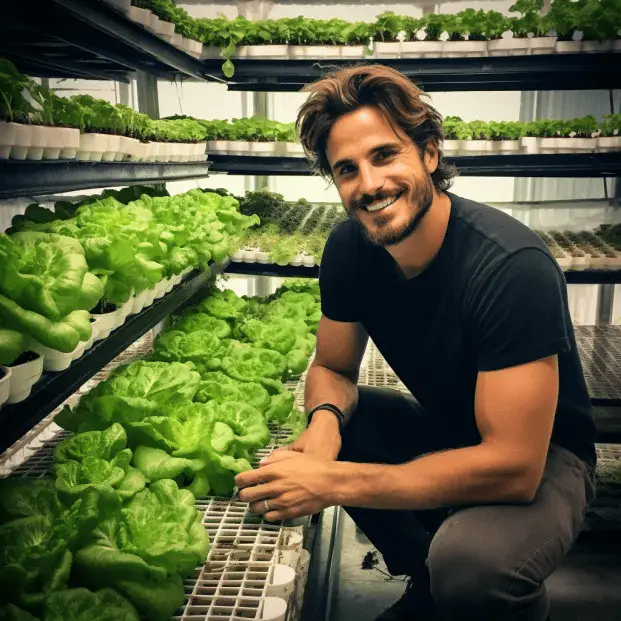
I’m Barrie L., a passionate hydroponic gardening enthusiast dedicated to cultivating thriving, soil-less gardens. With a focus on all things hydroponic, I share my expertise on innovative growing techniques and sustainable practices through my blog, tophydroponicgarden.com. As a seasoned hydroponics specialist, my goal is to inspire and guide fellow gardeners in harnessing the power of water-based cultivation for bountiful and eco-friendly harvests. I’m also an author of the book “Hydroponics For Absolute Beginners: Your Step By Step Guide For How To Create An Hydroponics System At Home Without Soil, For Growing Vegetable, Fruit And Herbs.” which is sold on Amazon. Join me on a journey of redefining the way we cultivate plants, one nutrient-rich solution at a time. Happy growing!