

Starting hydroponics doesn’t have to be expensive. Anyone wondering how to start hydroponics on a budget can look no further than their own recycling bin. Empty soda bottles, jars, and plastic containers easily transform into grow systems perfect for lettuce, herbs, and leafy greens. Instead of buying costly kits, beginners can use simple methods like the Kratky technique, which requires no pumps or electricity. With natural light, affordable liquid nutrients, and creativity, a windowsill garden can thrive year-round. These low-cost setups show exactly how to start hydroponics on a budget and enjoy fresh, homegrown produce without high expenses.
Key Takeaways
- Use recycled containers and affordable growing mediums to cut initial costs.
- Opt for simple systems like Kratky or wick methods that don’t require pumps or electricity.
- Rely on natural sunlight and homemade nutrient solutions to minimize ongoing expenses.
Cost-Effective Hydroponic Materials
Starting with containers, you might be surprised how many household items work well for hydroponics. Old plastic bottles, buckets, or storage bins can hold nutrient solutions and support plant roots. Cleaning and sanitizing these items is crucial to avoid diseases. Soapy water followed by a vinegar rinse usually does the trick. Many beginners also explore affordable hydroponic supplies such as coconut coir, clay pellets, or rockwool, which provide support for plants but vary in price and availability.
- Coconut coir is affordable and eco-friendly but sometimes harder to find.
- Clay pellets (LECA) give good aeration but cost more upfront.
- Rockwool is popular but less budget-friendly and less sustainable.
Choose what fits your budget and what you can buy nearby. Choose what fits your budget and local stores.
Nutrient Solution Formulation

Store-bought liquid fertilizer costs a lot over time. Luckily, you can mix your own liquid fertilizer with common ingredients like Epsom salt, baking soda, and water-soluble fertilizers. The challenge is keeping the nutrient concentration right and maintaining pH balance around 5.5 to 6.5. A cheap pH meter or test strips help monitor this. The nutrient solution should feed plants but not harm plant roots. Measure and adjust it with care.
Containers like net pots are handy for holding plants, but you can DIY inserts by cutting bottle lids or using mesh materials. These alternatives keep plants stable and allow proper root growth without spending extra.
Budget-Smart Hydroponic Practices
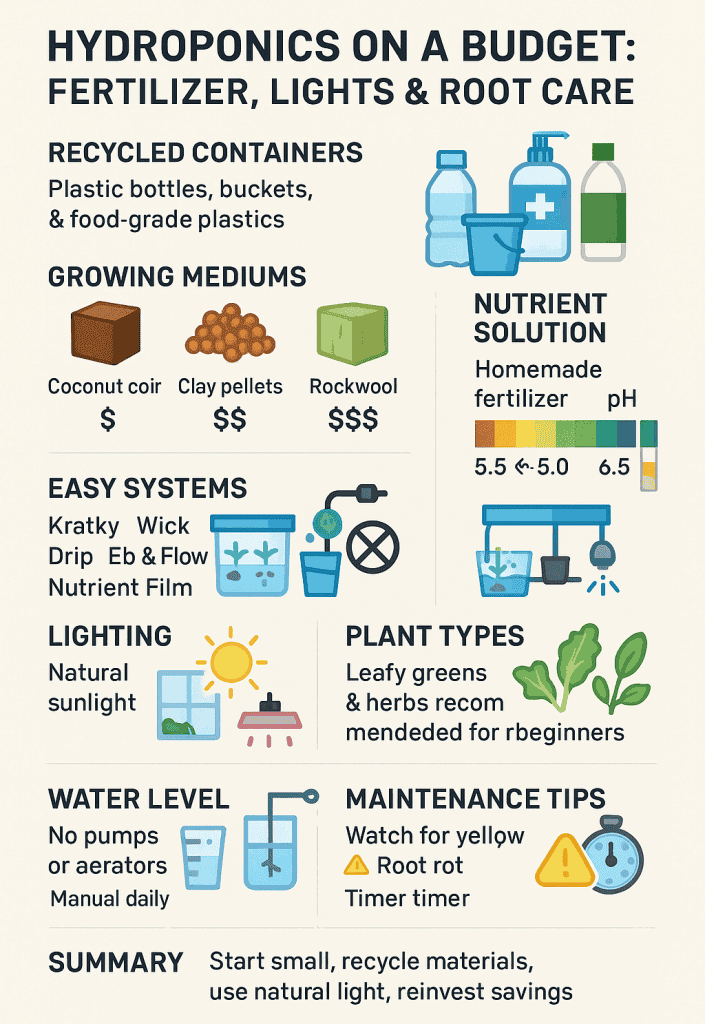
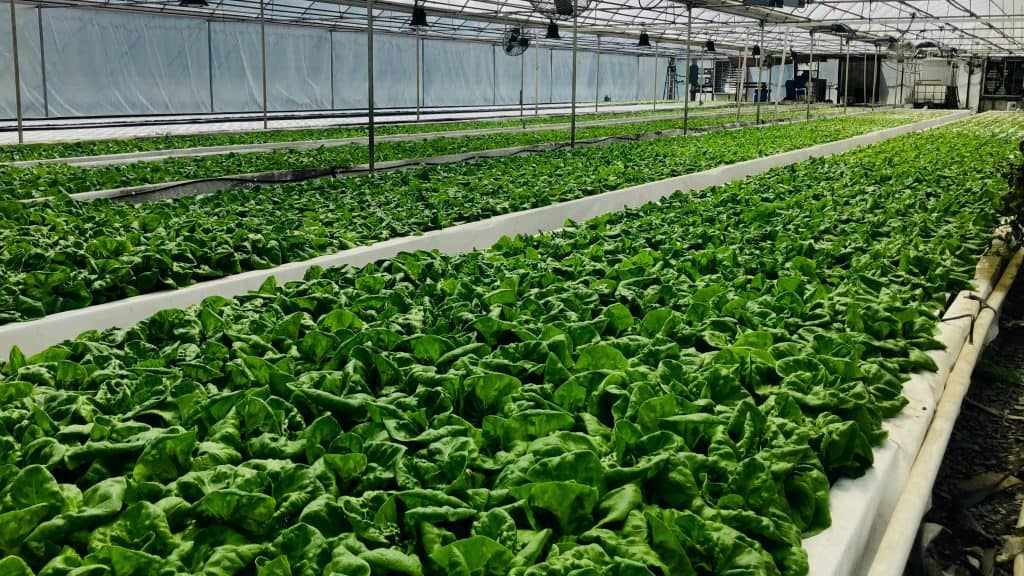
Choosing plants that fit your budget and skill level saves you headaches. Leafy greens like lettuce, spinach, and herbs like basil or mint grow fast and require less maintenance. Their growth rates and yields make them ideal for beginners working on a shoestring. Lighting can be the biggest electricity drain if you rely on grow lights. Instead, place your system close to south-facing windows or outdoors in partial sunlight.
This lowers energy bills and still provides enough light for healthy growth. If you must use grow lights, cheap LED options made for plants can be found for under $30 and consume less power. Start small with simple designs like the Kratky method or wick systems. These require little to no pumps or electricity and are easy to build with recycled materials. As you get comfortable, you can reinvest savings into expanding your setup.
Energy savings come from avoiding pumps and aerators when possible. Some systems naturally aerate roots by design, and manual circulation (like stirring nutrient solution) can work in a pinch.
Maintenance and Optimization on a Budget
Keeping an eye on water level is simple but vital. Manually check reservoirs daily to prevent roots drying out or drowning. Overwatering or underwatering is a common issue in hydroponics, but with practice, you’ll get a feel for it. For nutrient film technique systems, use gravity and slopes to move nutrient solution through the setup. Control flow rate to keep plant roots healthy.
This stops root rot and gives roots enough oxygen. Ebb and flow systems need cheap timers and tanks. These tanks flood and drain plants in cycles.. DIY timers or repurposed aquarium timers can keep costs down. Keep flood cycles at the right length. This keeps plant roots healthy and strong. Root health needs close attention. Signs of nutrient deficiency include yellowing leaves or stunted growth. Root rot shows as brown, slimy roots usually caused by poor aeration. Using affordable air stones or manual aeration methods can help maintain oxygen levels.
Containers and Recycling Options
Plastic containers are everywhere. The key is to pick ones that won’t leach harmful chemicals into your nutrient solution. Food-grade plastics are best. Many hydroponic gardeners swear by recycled water bottles or milk jugs because they’re easy to cut and modify. Sanitize all containers before use. Soap and water followed by a vinegar soak will reduce bacteria and algae growth. Make sure holes for net pots or wicks are cleanly cut to avoid cracks or leaks.
Growing Medium Alternatives
Your medium’s job is to anchor plant roots and hold moisture while allowing airflow. Rockwool holds water well but costs more and does not break down in nature. Clay pellets (LECA) weigh more but drain well. Coconut coir is lightweight and sustainable, though sometimes tricky to source in small quantities. For budget growers, coconut coir or perlite mixed with vermiculite can be a cheap alternative. These can be bought in bulk or salvaged from garden supplies.
Nutrient Solution Formulation
You don’t need a commercial nutrient pack to feed your plants. A homemade mix using common fertilizers and minerals can work fine if you watch concentrations closely. Recipes usually combine nitrogen, phosphorus, potassium, and trace minerals. Test your nutrient solution pH and EC levels. You don’t need costly tools for this. pH strips and simple EC meters are available online for under $15.
Plant Holders and Net Pot Alternatives
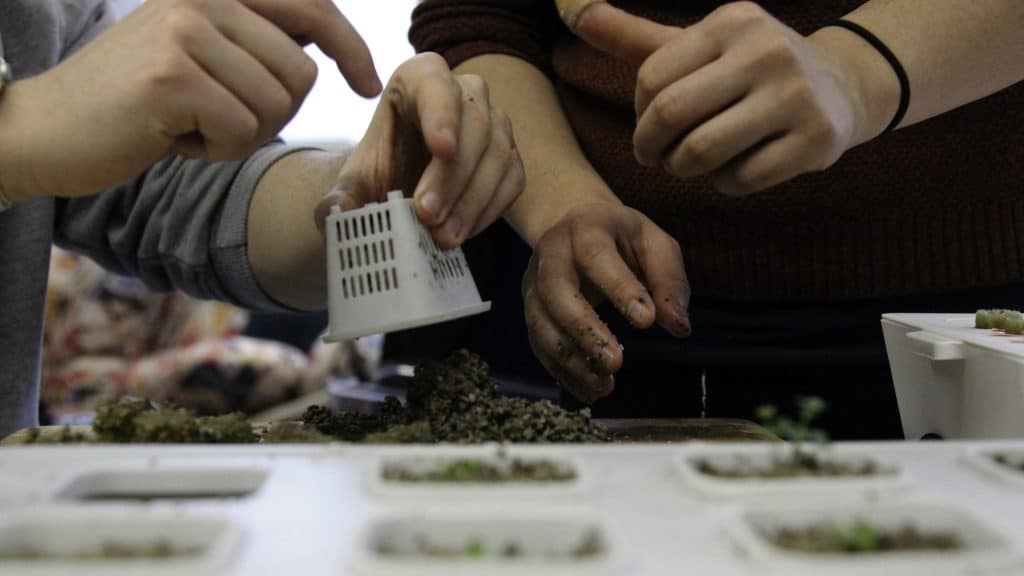
Standard net pots can cost a few dollars each. To save, cut lids off plastic containers or use pieces of mesh or foam to hold plants in place. These DIY inserts keep roots supported without extra purchases. Stability matters because floating roots need steady support. If your container moves or tilts, roots can get damaged.
Plant Selection for Low Maintenance

Source: Grow it!
Start with plants that don’t mind beginner mistakes. Leafy greens and herbs fit this bill. Many growers prefer to begin with leafy greens since they grow fast and recover quickly from minor nutrient or water slips. Avoid fruiting plants or large vegetables early on, as they often require more precise conditions and nutrients.
Lighting Strategies to Minimize Costs
Natural sunlight is free and often overlooked. Set your hydroponic setup near south-facing windows or in a greenhouse if you have one. If natural light is insufficient, cheap LED grow lights designed for small spaces cost less than $30. In fact, bok choy grown hydroponically over 30 days showed higher fresh weight under LED grow lights than sunlight, proving LEDs can boost results when natural light is limited [1]. Use timers to limit light duration, saving energy.
System Scale and Expansion Planning
Keep your first hydroponic system small, something manageable like a single bucket or two. This keeps costs low and helps you learn without wasting resources. Once you’ve mastered basics, reinvest savings into bigger or more complex systems like ebb and flow setups.
Energy Saving Techniques
Avoid pumps and electricity when possible by choosing passive systems like Kratky or wick setups. If you need aeration, a small air pump can be found cheaply but consider manual solutions like stirring nutrient tanks.
Water Level Monitoring and Management
Check water levels daily. Roots can dry out fast or drown if levels are off. Simple sight tubes or marks on your container help track this without fancy sensors.
Nutrient Film Technique Adaptations
If you want to try NFT on a budget, use gravity to move nutrient solution through a slightly sloped channel made from recycled gutters or plastic trays. Keep flow gentle to avoid washing away roots. Balancing the nutrient film ensures roots get oxygen and nutrients without sitting in stagnant water.
Ebb and Flow System Considerations
Flood and drain cycles need precise timing. Affordable aquarium timers and recycled reservoirs (like large plastic tubs) work well. Ensure your system drains fully between cycles to keep roots healthy.
Root Health and Growth Monitoring
Watch for yellow leaves, drooping, or slimy roots. These signs mean trouble with nutrients or oxygen. Cheap air stones and bubbles in the reservoir can keep roots happy. Studies even show that plasma-treated nutrient solutions improved bok choy root and shoot growth significantly, with an 80% increase in dry weight compared to control plants [2]. If you skip pumps, try to aerate nutrient solution manually every day.
FAQ
How do I keep the right water level when growing plants?
Maintaining the right water level is one of the most important steps when starting hydroponics on a budget. If the water level rises too high, plant roots may lose oxygen and rot. If it drops too low, the roots dry out and cannot take in the nutrient solution they need. A steady balance helps keep growing plants healthy. Beginners can use simple tools to monitor water, like clear containers or marked lines. Pairing correct water levels with grow lights ensures that roots absorb both nutrients and energy, even indoors. With consistency, plants thrive without needing expensive systems.
What is the difference between ebb and flow and drip systems?
The ebb and flow system and drip systems are two popular hydroponic methods that can be set up on a budget. The ebb and flow system works by flooding plant roots with water and nutrient solution before draining it away, creating a cycle that repeats. In contrast, drip systems slowly release water and liquid fertilizer directly to each root, keeping moisture consistent. Both methods help conserve resources, improve oxygen flow, and keep growing plants healthy. For beginners, both ebb and flow and drip systems are practical, affordable ways to manage water, light, and nutrients without complicated equipment.
How does nutrient film or nutrient film technique work?
The nutrient film technique is a system where a thin stream of nutrient solution, known as nutrient film, flows continuously across the base of plant roots. This allows growing plants to take in oxygen and water at the same time, preventing problems like root rot. The shallow stream saves liquid fertilizer and makes it easier to maintain steady nutrient levels. This technique works well for small plants that grow quickly and do not require deep water. For beginners on a budget, nutrient film technique is simple, efficient, and can be combined with grow lights to ensure strong root development.
Can I use liquid fertilizer with grow lights for better results?
Yes, using liquid fertilizer together with grow lights can create an ideal setup for growing plants indoors on a budget. The fertilizer provides the nutrients that plant roots need, while the lights replace sunlight and keep growth steady. To succeed, it is important to balance water level, oxygen, and nutrient solution carefully. Both ebb and flow systems and drip systems can deliver fertilizer to roots effectively. When combined with nutrient film or nutrient film technique, the setup can be even more efficient. With careful use, this approach helps create strong roots, healthy leaves, and thriving plants at low cost.
Conclusion
Getting started with hydroponics doesn’t have to drain your savings. A few recycled containers, some basic nutrients, and simple setups like Kratky or wick systems are all you really need. Most beginners do great with easy plants like lettuce or herbs, using nothing but window light and careful attention to water levels. Starting small lets you learn the ropes without risk, and you can always expand later using money saved on grocery bills. Ready to grow some fresh greens? Grab those empty containers and let’s get started.
References
- https://eprints.uad.ac.id/28177/1/Evaluation%20of%20IoT-Based%20Grow%20Light%20Automation%20on%20Hydroponic%20Plant%20Growth.pdf
- https://www.frontiersin.org/journals/plant-science/articles/10.3389/fpls.2024.1445791/full
Related Articles
- https://tophydroponicgarden.com/hydroponic-supplies-basics/
- https://tophydroponicgarden.com/first-hydroponic-system/
- https://tophydroponicgarden.com/leafy-greens/
Was this helpful?

I’m Barrie L., a passionate hydroponic gardening enthusiast dedicated to cultivating thriving, soil-less gardens. With a focus on all things hydroponic, I share my expertise on innovative growing techniques and sustainable practices through my blog, tophydroponicgarden.com. As a seasoned hydroponics specialist, my goal is to inspire and guide fellow gardeners in harnessing the power of water-based cultivation for bountiful and eco-friendly harvests. I’m also an author of the book “Hydroponics For Absolute Beginners: Your Step By Step Guide For How To Create An Hydroponics System At Home Without Soil, For Growing Vegetable, Fruit And Herbs.” which is sold on Amazon. Join me on a journey of redefining the way we cultivate plants, one nutrient-rich solution at a time. Happy growing!