
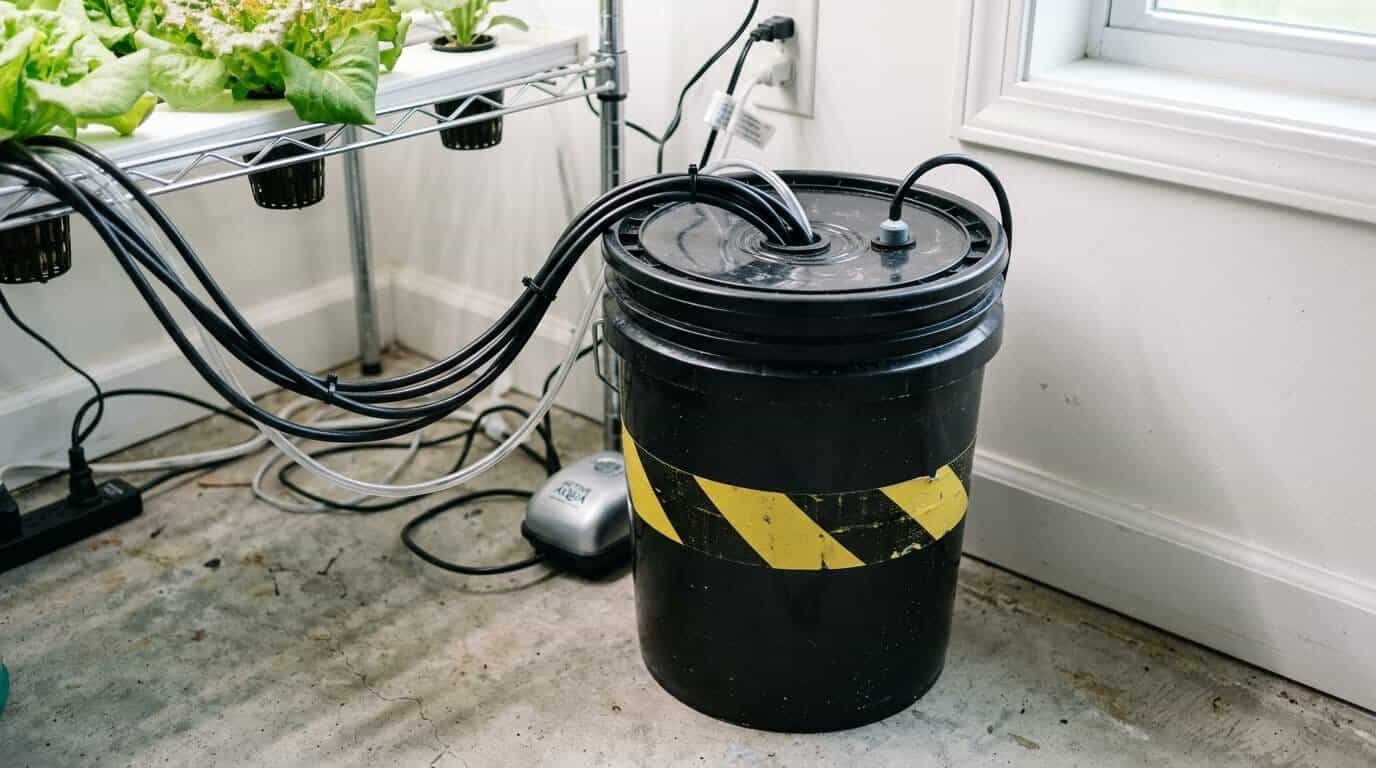
Light entering the reservoir can encourage algae growth. Heavy growth may contribute to water-quality problems, so use an opaque tank and seal gaps around the lid, tubing, and fittings.
Regular inspections can also help you spot leaks before algae builds up. Want more practical tips for a cleaner reservoir? Keep reading with Tophydroponicgarden.
Quick Reads: Reservoir Light Leak Prevention Tips
Preventing reservoir light leaks starts with blocking sunlight, sealing gaps, and using opaque materials to keep light out and reduce algae growth in your hydroponic nutrient solution.
- Cover transparent reservoir walls and lids with light-blocking materials.
- Seal gaps around lids, fittings, and openings where light can enter.
- Inspect the reservoir regularly to catch light leaks before algae develops.
What Causes Light Leaks in Hydroponic Reservoirs?
Light enters a hydroponic reservoir through translucent walls, loose lids, uncovered openings or worn seals. Even small gaps around tubing and fittings can let light get to the nutrient solution and encourage algae growth.
So check more than the lid. Use an opaque container, seal gaps around the edges, and cover exposed openings. A quick flashlight check of a dark room can uncover leaks that might otherwise be missed. Fixing these weak points helps keep the reservoir cleaner and reduces algae build-up.
Which Reservoir Areas Commonly Allow Light Inside?
There are a few easy-to-miss places for light to get into a hydroponic reservoir. Starting points to look at:
- Translucent walls: Thin or transparent plastic may allow light to penetrate to the nutrient solution.
- Lid gaps: Loose-fitting lids can leave edges open.
- Tubing and cable openings: Small gaps around fittings can allow light to enter the reservoir.
- Leaky seals: Cracks, worn gaskets and broken covers may expose the tank.
- Open areas: Empty areas of the reservoir may be exposed to direct light.
Thoroughly investigate each area. Even a small crack can let enough light into the reservoir to encourage algae growth.
Why Should You Check for Light Leaks Regularly?
Light can reach the nutrient solution through small openings and algae growth can be encouraged. So keep a close eye on your hydroponic reservoir, even if the lid seems to be holding tight. Light can sneak in through overlooked gaps around tubing, fittings and other openings.
After changing tubing, moving equipment or removing the lid for maintenance, check the tank. These jobs can reveal gaps or leave loose covers. Use a flashlight to find light leaks in a dark room, then seal any openings you find. A little check now saves you extra cleaning later.
Why Is Blocking Light Important for Hydroponic Reservoirs?
Blocking light limits photosynthesis by algae growing in the nutrient solution, which makes it more difficult for algae to grow in your hydroponic reservoir. This keeps the tank cleaner and helps to reduce unwanted buildup around submerged surfaces and fittings.
Data from University of Washington, Department of Horticulture (2026)
“Algae growth is encouraged by light, so make sure your hydroponic reservoir container excludes light.” (University of Washington, Department of Horticulture, 2026)
Use a non-clear container. Seal around any tubing and openings and close the lid. This prevents light from reaching the nutrient solution and also helps reduce algae buildup around reservoir surfaces and fittings. Regular checks can also help you spot small leaks before algae becomes a bigger problem to clean up.
How Can Light Exposure Encourage Algae Growth?
When light is available algae can grow in nutrient rich water. As it builds up, it may coat reservoir walls and fittings, making cleanup harder and adding unwanted organic matter to the system.
Nelson, Mykl, et al. (2025) found that
“To reduce evaporation and algae growth, cover the water surface with opaque materials and ensure the growing area matches the size of the floating rafts.” (Nelson, Mykl, et al. 2025).
To prevent algae growth, keep the reservoir covered and seal gaps around the lid, tubing, and other openings. Store nutrient solution in an opaque container to block light. A quick check can catch leaks before algae takes hold.
Light blocking is just the start. Perform routine system flushes and inspect internal surfaces regularly for early biofilm or green discoloration. Good hygiene and light control will also reduce the nutrient solution contamination and susceptibility to water quality problems.
How Can Algae Affect Roots and Nutrient Management?
Algae can be a bit of a headache in a hydroponic system:
- More cleaning: Algae can grow on the walls and fittings of reservoirs making the build up tougher to clean.
- Water quality issues: Organic growth can make the nutrient solution more difficult to manage.
- Clogged lines: Some systems have filters or tubing that can clog with debris.
- Light leaks: A persistent algae problem may mean that the reservoir’s light barrier is holed.
If the water looks green or the surfaces feel slimy, check the lid, tubing, and openings for light leaks. Clean the reservoir using a method suited to your system. And check the seals, too. Cleaning helps, but blocking light can reduce the chance of algae returning.
How Can You Identify Light Leaks in Your Reservoir?
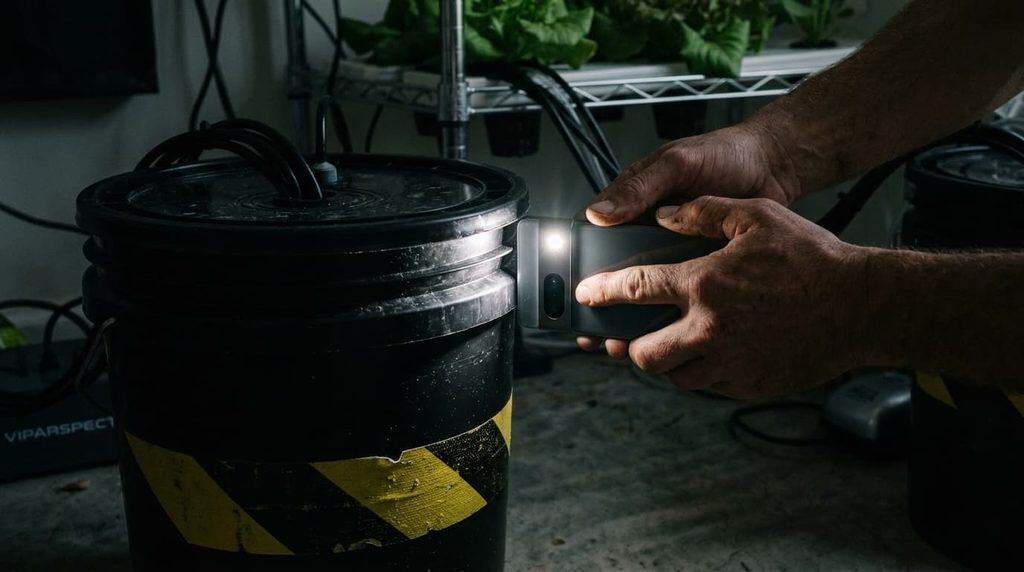
A close look can reveal light leaks before they become a regular maintenance problem. Check your reservoir under normal lighting conditions in your hydroponic growing area. Look closely at the lid, tank walls, tubing connections, and any open fittings.
But don’t stop at the obvious spots. Small holes may allow light to reach the nutrient solution, even when the reservoir appears to be covered. Seal any openings that are found and make sure the lid is tightly secured. In a dark room, look for leaks that may be difficult to see during normal operation with a flashlight.
What Steps Help Detect Hidden Light Entry Points?
- Check reservoir walls: Look for any transparent areas, cracks or damaged areas of the reservoir walls that could let light enter.
- Look at the lid: The lid must be flush with the entire edge of the container and there should be no visible gaps.
- Search for gaps: Check pipes, hoses and cables.
- Check the seals and fittings: Change bad seals or tighten loose fittings.
- Check whether the reservoir is exposed to sunlight or grow lights.
- Recheck repairs: When you’ve finished sealing gaps or replacing covers, recheck the reservoir.
So take your time with each area. A flashlight check in a dark room can help reveal small leaks that are easy to miss.
What Signs Suggest Your Reservoir Needs Attention?
Watch for green discoloration, visible algae, or a slippery film on the inside of the reservoir. These signs might be that light is entering the tank and promoting algae growth. Don’t forget about loose lids or thin walls that pass light.
Even small gaps around tubing or openings are enough for light to reach the nutrient solution. Darken the room and shine a flashlight around the reservoir to find gaps. Not all signs are a light leak, but all signs deserve investigation.
Which Materials Work Best for a Lightproof Reservoir?
Hydroponic reservoirs are usually covered with opaque, waterproof covers that block light and help prevent algae growth. Choose a food-safe reservoir made from materials that can withstand daily moisture and cleaning. Seal gaps around lids, tubing, and openings, and cover exposed walls completely. Even small gaps can let light reach the nutrient solution.
| Material | Best use | What to check |
| Black opaque plastic | Covering translucent tanks | Opacity, durability, and fit |
| Opaque reservoir lid | Blocking light from above | Secure fit and opening coverage |
| Waterproof light-blocking tape | Sealing small gaps | Adhesion and water resistance |
| Reflective insulation | Covering exposed outer surfaces | Moisture resistance and secure installation |
| Light-blocking paint | Treating suitable exterior surfaces | Material compatibility and manufacturer instructions |
Should You Choose Black Plastic or Reflective Covering?
If it’s solid black plastic, completely covering the surface with no gaps, then it can block light from getting to your hydroponic reservoir. Also, reflective covers might help decrease direct light exposure on tank outer walls.
But the material alone isn’t enough. Seal seams and edges carefully, check openings around tubing, and choose a covering that won’t shed particles into the nutrient solution.
How Do You Install a Hydroponic Reservoir Cover?
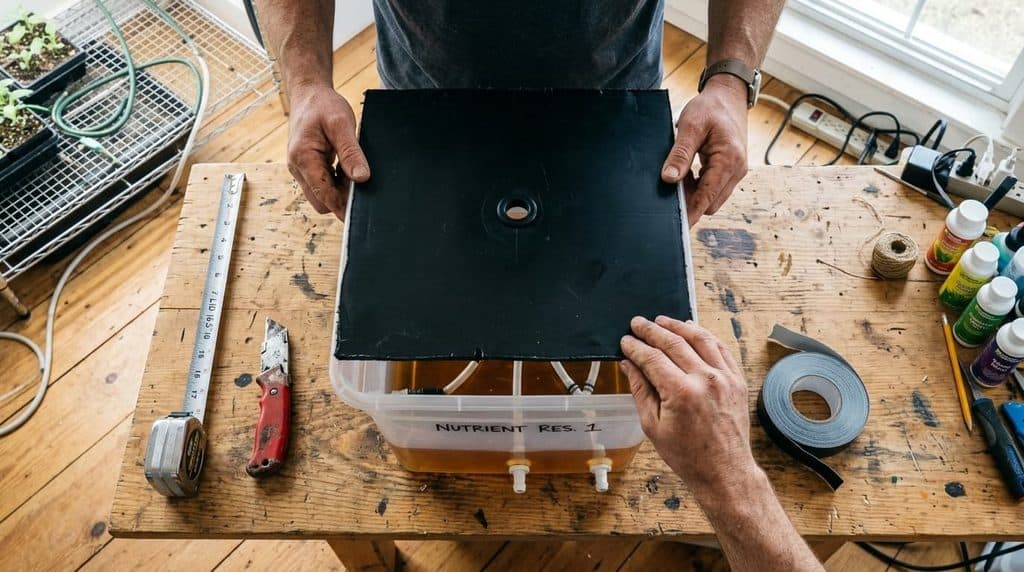
A correctly fitted cover for the reservoir should block out light, but not interfere with routine maintenance. Select a lid that permits easy access to clean, check the nutrient solution and adjust pumps or tubing. Seal gaps around the lid and plant openings to block light.
However, you don’t need a complicated enclosure for every hydroponic system. A suitable cover, fitted securely and easy to remove, can do the job while keeping inspections and cleaning straightforward.
What Steps Create a More Effective Light Barrier?
Good light barriers keep the reservoir dark and do not make routine maintenance difficult. To cover exposed surfaces and seal gaps, follow these steps:
- Measure the lid and the visible walls.
- Choose materials that are not see-through and water-proof.
- Drill holes only for tubing and fittings.
- Secure the lid tightly.
- Seal any cracks using water proof material.
- Keep access points open for water flow and routine maintenance.
Keep inspection points open. Once the barrier is fitted, check for gaps and make sure it is possible to clean the tank, inspect the nutrient solution and make adjustments to equipment without having to remove the whole barrier.
How Can You Prevent Algae Growth After Sealing Light Leaks?
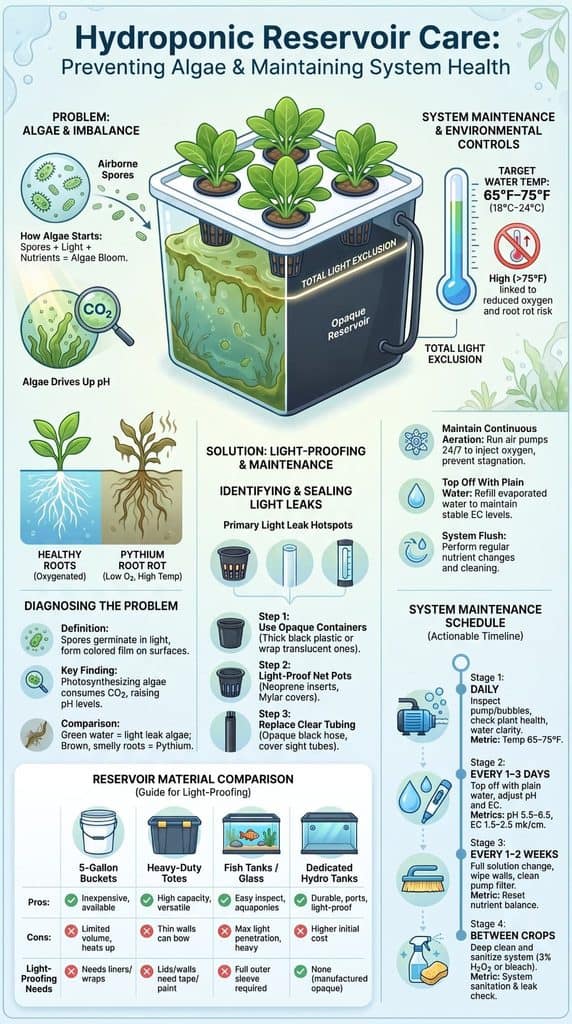
Light exclusion helps prevent algae growth, but it’s only one part of good hydroponic reservoir care. Regular cleaning, water quality checks, and consistent garden maintenance help keep the nutrient solution in good condition. Also, inspect the lid, tank walls, and tubing connections for gaps that may let light reach the water.
So keep up with routine maintenance, even when the reservoir looks clean. Check for algae buildup, remove debris, and seal any light leaks you find. These steps help you manage the nutrient solution and reduce the chance of algae returning.
Which Reservoir Maintenance Habits Help Control Algae?
Regular reservoir maintenance helps keep your hydroponic nutrient solution clean and makes algae buildup easier to spot. Follow these steps as part of your routine:
- Clean the reservoir: Follow your system’s maintenance schedule.
- Inspect surfaces: Check walls, lids, and fittings for algae.
- Monitor water conditions: Check the nutrient solution and water temperature.
- Remove residue: Use cleaning methods suited to your equipment.
- Check light barriers: After servicing, make sure lids fit securely and gaps around tubing are sealed.
Don’t skip the final check. Small gaps can let light back in and encourage algae growth.
Does Blocking Light Eliminate Every Cause of Algae?
No. Blocking light addresses an important condition that supports algae growth, but it does not remove every source of contamination or correct poor maintenance practices.
If algae returns after you seal the reservoir, check for missed gaps, contaminated equipment, and residue left on interior surfaces. Avoid relying on a cover alone to solve an ongoing hygiene problem.
How Can You Seal Gaps Around Reservoir Lids and Fittings?
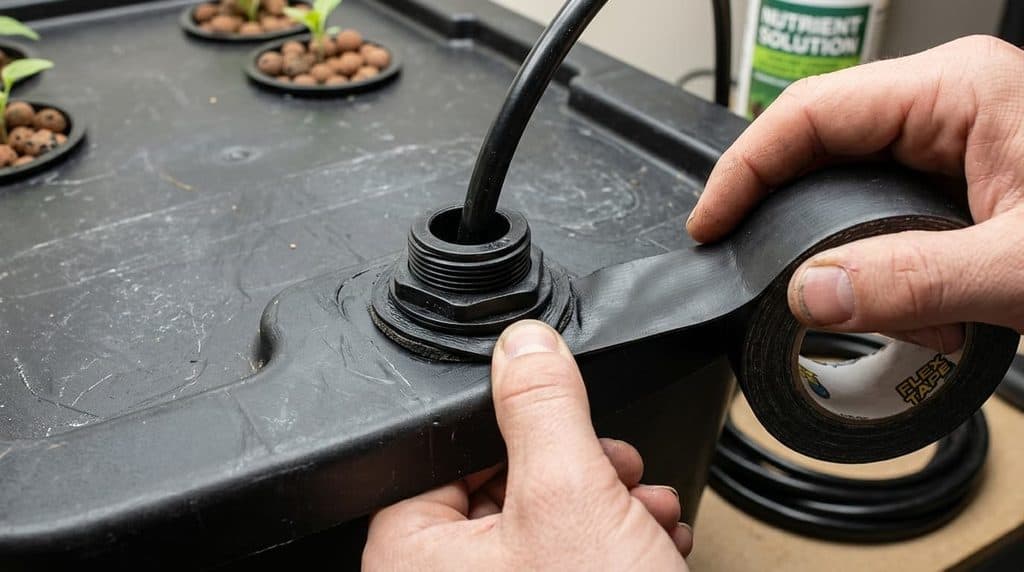
Seal gaps with compatible, waterproof materials to keep light out of your hydroponic reservoir. Pay close attention to the edges where the lid meets the tank, along with openings around tubing and fittings. Even small gaps can let light reach the nutrient solution and encourage algae growth.
However, don’t block access points or interfere with pumps and water lines. Check each seal after installation, and make sure it stays secure during routine cleaning and maintenance.
Which Areas Need Additional Sealing?
Use this checklist as part of your routine maintenance and when you install your reservoir cover. These areas can allow light into the tank, even when the main cover fits securely.
- Edges and corners of the lid.
- Entry points for hose and pipe.
- Cable openings and unused ports.
- Joints in panels of the reservoir.
- Damaged or poorly fitted gaskets.
Inspect each area for gaps, loose seals or wear. Replace any damaged gaskets and plug any unused openings with appropriate waterproof materials. And don’t forget to recheck these spots after cleaning or adjusting equipment. Small gaps are easy to miss.
How Should You Choose Lightproof Tape or Sealants?
Choose products that are compatible with the reservoir material and will withstand the expected moisture exposure. Follow the manufacturer’s instructions for surface preparation and use.
Do not add adhesives and sealants to the nutrient solution unless the manufacturer specifies that they are suitable for this type of contact. Tape is generally good for small gaps. For larger gaps, a fitted gasket or cover may be more reliable.
What Mistakes Should You Avoid When Blocking Reservoir Light?
Light coming into your hydroponic reservoir through holes in the cover can be an issue. Inappropriate materials can wear out or make cleaning harder, too. Check the entire tank, including the walls, the edges of the lid, the tubing connections, and any unused openings. A good inspection will allow you to find hidden places for light to get in before algae begins to grow.
| Common mistake | Better approach |
| Covering only the reservoir lid | Inspect walls, seams, and fittings too |
| Using translucent plastic | Choose fully opaque material |
| Leaving gaps around hoses | Seal openings with compatible materials |
| Ignoring damaged tape | Replace deteriorated seals |
| Blocking access for maintenance | Keep inspection points accessible |
| Using unverified materials inside the tank | Confirm suitability for the intended contact |
How Can You Confirm Your Reservoir Is Properly Lightproof?

Credits: Humble Growth
Finally, make sure that your hydroponic reservoir is light-proof so that light does not get to the nutrient solution. Carefully inspect the walls, lid edges and openings, looking for small gaps around tubing and fittings. In a dark room, use a flashlight to find places where the light leaks through.
Seal any openings with suitable waterproof materials and ensure that the cover still allows easy access for cleaning and equipment adjustments. Then go back to your normal growing routine.
What Should Your Final Reservoir Inspection Include?
Before reusing the hydroponic system, check the whole reservoir for light-proofing and ease of routine maintenance.
- Reservoir walls block visible light.
- The lid fits securely, with no visible gaps.
- Seal gaps around tubing and cable openings.
- Waterproof covers are left on.
- The nutrient solution shows no obvious algae buildup.
- Cleaning and inspection remain easy.
And don’t overlook small gaps around fittings or worn seals. Fix any problems you find and then inspect the reservoir frequently for early signs of light leaks or algae.
FAQ
How can you tell if your hydroponic reservoir has a light leak?
Look for translucent reservoir walls, loose lid edges, damaged seals, and gaps around tubing or cables. In a dark room, use a flashlight to identify openings that may allow light to reach the nutrient solution. Green discoloration or slippery buildup can also signal a problem, although these signs do not always mean a light leak is present.
What is the best material for blocking light in a hydroponic reservoir?
Black opaque plastic is a practical choice for covering translucent reservoir walls. An opaque lid can block light from above, while waterproof light-blocking tape can help seal small gaps. Choose materials that withstand moisture, fit securely, and are compatible with your reservoir.
Can light leaks cause algae to grow in a hydroponic reservoir?
Yes. Light can support algae growth when it reaches nutrient-rich water. Algae may build up on reservoir walls and fittings, make cleaning harder, and contribute to water-quality problems. Blocking light and maintaining clean equipment can help reduce algae growth.
How do you seal gaps around reservoir lids, tubing, and fittings?
Use compatible, waterproof materials to seal gaps around lid edges, tubing connections, cable openings, and unused ports. Tape may work for small gaps, while a properly fitted gasket or cover may be better for larger openings. Avoid blocking water lines or adding sealants that are not approved for the intended contact.
Does blocking light completely prevent algae growth in a hydroponic reservoir?
No. Blocking light helps limit a condition that supports algae growth, but it does not eliminate every possible cause. Clean the reservoir regularly, inspect internal surfaces for residue, monitor water conditions, and check for new gaps after maintenance. These steps help keep the nutrient solution cleaner and reduce the chance of algae returning.
Protect Your Reservoir, Protect Your Growth
Keeping light out of your hydroponic reservoir helps limit algae growth and maintain a cleaner nutrient solution. Use opaque covers, seal openings, and inspect your setup regularly for leaks or damaged materials.
Keep your hydroponic reservoir dark, clean, and easy to inspect with a secure cover and sealed fittings. For more practical advice, explore Tophydroponicgarden’s guides to choosing a suitable reservoir, maintaining your system, and preventing algae growth.
References
- https://extension.oregonstate.edu/catalog/pub/em-9455-hydro-hints-deep-water-culture#1
- https://depts.washington.edu/hortlib/keyword/hydroponics/
Related Articles
- https://tophydroponicgarden.com/choosing-a-food-safe-hydroponic-reservoir/
- https://tophydroponicgarden.com/hydroponic-garden-maintenance/
- https://tophydroponicgarden.com/how-to-prevent-algae-growth-in-hydroponics/
Was this helpful?
