

To grow sweeter strawberries, focus on raising Brix levels, protecting aroma, and managing acidity. Genetics and picking at the right time are critical, as sugar production halts at harvest. Science offers clear steps to improve flavor. Here’s how to apply them.
Quick Picks – Better Strawberry Flavor Fast
Better strawberries come from the right variety, proper growing conditions, and picking fruit at peak ripeness. Small changes during growing and after harvest can noticeably improve sweetness, aroma, and overall flavor.
- Grow for flavor first. Choose flavorful cultivars, provide full sun, reduce nitrogen after flowering, increase potassium during fruiting, and maintain soil pH between 5.8 and 6.5.
- Harvest at the right time. Pick only fully red berries because strawberries develop very little additional sweetness after harvest.
- Bring out more flavor after picking. Serve berries at room temperature or use strawberry maceration to improve the taste of bland fruit.
Why Do Store-Bought Strawberries Often Taste Like Water?
Most strawberries in stores are grown to survive shipping, not for the best taste. Many people think berries keep ripening after they’re picked, but that’s wrong. Strawberries stop making sugar as soon as they’re harvested. When they’re picked is what decides how sweet they’ll be.
Big farms that supply supermarkets often pick berries early, before their full smell and taste develop. This helps the fruit stay firm and look good during transport, but it sacrifices flavor.
Putting strawberries in the fridge also mutes their taste. The cold slows spoilage, but it dampens the natural aromas. That’s why berries often taste bland right out of the refrigerator.
The biggest contributors to bland berries include:
- Early harvest before complete redness.
- Selection of commercial strawberry varieties bred for transport.
- Extended refrigerated storage.
- Flavor loss during distribution.
- Reduced ester production before harvest.
That said, genetics still matters. Even perfect growing practices cannot transform a shipping-focused cultivar into a berry that rivals traditional heirloom selections.
Why Doesn’t Sweetness Increase After Harvest?
Strawberries won’t get any sweeter after you pick them. Unlike bananas or tomatoes, their sugar content is set at harvest. Once off the plant, they stop receiving sugars from the leaves.
While their smell might shift a bit, their sweetness is fixed. Scientists call this type of fruit “non-climacteric.” This makes choosing the exact right time to pick them the most important factor for flavor.
How Do Shipping Priorities Affect Flavor?
The strawberries you find in stores are usually bred to be tough. Breeders prioritize firmness, disease resistance, and the ability to survive shipping. This focus on durability means flavor often gets left behind. As a result, these berries develop much lower levels of the natural compounds that create a rich, authentic strawberry taste.
Which Strawberry Varieties Have the Best Flavor?
For great taste, choose strawberry varieties bred for flavor, not just for surviving a truck ride.
The Mara des Bois strawberry is a perfect example. People love its intense sweetness and complex aroma, which often gets compared to the prized wild alpine strawberry. Then there’s Earliglow, favored for its dependable sweet-tart balance. Other reliable choices are Sparkle, Chandler, and Seascape, each with their own strengths in different growing conditions.
If you start with the right plant or pair them near beneficial strawberry companion plants, you give yourself a much better chance at a tasty harvest.
| Variety | Flavor Profile | Best Use |
| Mara des Bois | Rich, aromatic, wild strawberry notes | Fresh eating |
| Earliglow | Sweet with balanced acidity | Home gardens |
| Sparkle | Jammy flavor | Preserves |
| Seascape | Good sweetness in warmer climates | Extended harvest |
| Commercial hybrids | Firm, consistent | Shipping |
Choosing superior genetics raises the ceiling for flavor before nutrition or irrigation even enters the equation.
Should You Grow Alpine Strawberries?
Fragaria vesca produces smaller fruit but exceptionally complex aromas.
These berries contain elevated concentrations of aromatic esters relative to their size. Although yields are lower than June-bearing varieties, many gardeners consider the alpine strawberry flavor profile unmatched for fresh eating.
How Does Soil Nutrition Change Strawberry Flavor?

What you feed strawberry plants directly shapes their taste. Mixing a balanced hydroponic strawberry nutrient solution or getting your soil nutrients right boosts sugar, builds aroma, and improves the fruit itself.
When berries start forming, potassium is crucial. It helps move carbohydrates into the fruit, building sweetness. Agricultural experts stress that enough potassium is non-negotiable for quality.
Nitrogen is trickier. While it makes for big leaves and larger berries, too much of it can actually water down the flavor. It’s a common trade-off: pushing for a huge harvest can mean ending up with bland fruit.
Good soil makes all this easier. Adding compost and organic matter supports microbes and fungi that help roots take up nutrients. This natural system fuels the plant’s energy production and, ultimately, how much sugar ends up in your berry.
Focus on these priorities during fruiting:
- Increase potassium rather than nitrogen.
- Consider potassium sulfate for strawberries instead of chloride sources.
- Maintain sufficient magnesium and calcium.
- Monitor strawberry nitrogen potassium ratio carefully.
- Keep strawberry soil pH sweet berries between 5.8 and 6.5.
- Test micronutrients including boron and zinc.
Of course, fertilizer cannot compensate for poor genetics or insufficient sunlight. Strong nutrition works best when combined with sound cultural practices.
Why Is Potassium So Important?
Potassium helps move sugars from the leaves into the berries. When plants get enough, the fruit tends to be sweeter and tastes more balanced.
You can use something like Sul-Po-Mag to add potassium and magnesium. Always test your soil first to know how much to apply.
Why Should Nitrogen Decrease After Flowering?
Nitrogen must decrease after flowering because excess nitrogen forces the plant into rapid vegetative growth, flooding the developing berries with water and severely diluting their natural sugars. Once bloom begins, cutting nitrogen forces the plant to channel photosynthetic energy strictly into fruit development.
Pro Tip: Maintain adequate organic matter while avoiding excessive nitrogen once flowering begins.
Can More Sunlight Make Strawberries Sweeter?

Credits: Get Growing with Gary Heilig
Sunlight builds sweetness. Strawberry plants use sunlight to make the energy that becomes sugar in the fruit. They need a full eight hours of direct sun each day for the best flavor.
You also have to manage the plant itself. If leaves are too thick and crowded, they shade the berries and slow down sugar production. Trimming extra runners and thinning out some leaves lets light and air through. This gives the fruit more exposure without scorching it.
Temperature makes a difference too. Berries often get sweeter and more fragrant when the days are warm but the nights are cool. That shift seems to help the plant concentrate its sugars.
Research from Food Chemistry shows
“GxE interactions critically influenced flavour compounds accumulation, indicating cooler temperatures during fruit development favor the accumulation of sugars and ɣ-decalactone.” – Food Chemistry
It’s all connected, sun, air, and temperature work together to turn a good berry into a great one.
Optimize sunlight by following these practices:
- Provide at least 8 hours of full sun.
- Reduce shading during fruit development.
- Practice strawberry runner management fruit quality.
- Improve canopy airflow.
- Avoid overcrowded plantings.
That’s the balance. Plenty of sun builds the sugars, but enough water keeps the plant healthy enough to deliver them. Too much heat without moisture stresses the plant, and the fruit quality suffers. They work as a pair.
How Many Hours of Sunlight Are Enough?
For a good harvest of sweet berries, plants need 8 to 10 hours of direct sun while they’re growing.
Does Temperature Affect Flavor?
Strawberries seem to develop better flavor when the days are warm but the nights are cooler. This pattern helps the berries build up more sugar and develop their smell, and it puts less overall stress on the plant.
Should You Reduce Water Before Harvest?
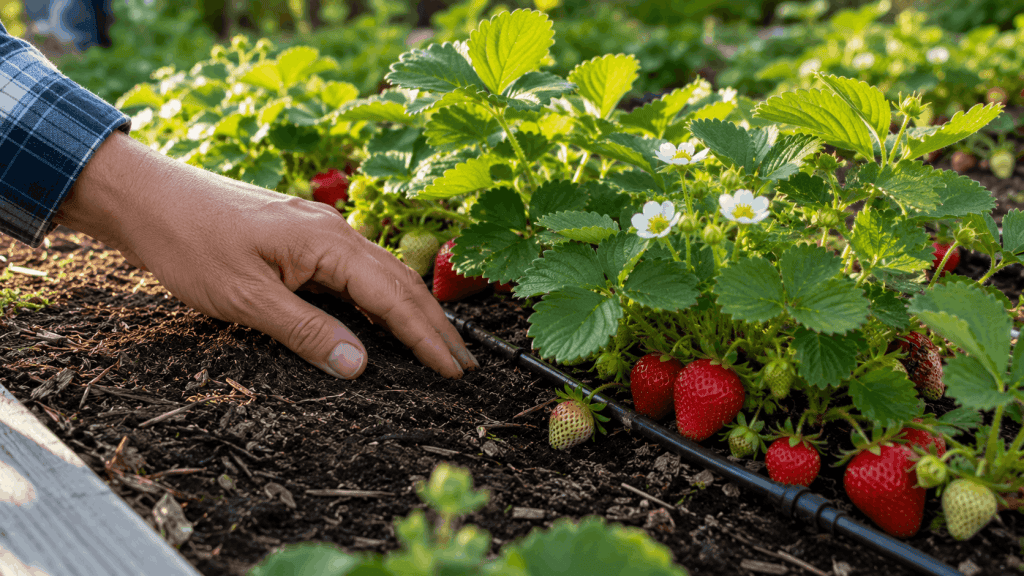
Watering carefully, especially just before picking, can make berries sweeter. Strawberries need steady moisture while flowering and when fruit first forms. But in the final five to seven days before harvest, cutting back a little on water can help. This slight stress limits how much water the berries take up, which concentrates their sugars.
Many growers notice this leads to higher Brix readings. University studies confirm the pattern, though the exact approach depends on your local weather and soil. The trick is a modest reduction, too little water for too long hurts the plant and cuts into your harvest.
As noted by Food Research International
“The analysis of quality indicated that the strawberries grown at higher altitudes were sweeter and had better flavor profiles compared to their counterparts cultivated at lower altitudes.” – Food Research International
Avoid common mistakes:
- Overwatering immediately before harvest.
- Allowing prolonged drought.
- Waterlogging roots.
- Ignoring soil moisture.
- Applying heavy fertilizer during harvest.
Careful irrigation also reduces disease pressure and supports better fruit texture.
When Should Irrigation Decrease?
Water strawberries regularly while the fruit is growing and starting to color. Then, just before they’re fully ripe, you can cut back on the water a little, as long as it’s not extremely hot and dry. This gentle stress can help concentrate the sugars in the berries.
What Mistakes Ruin Flavor?
Heavy watering immediately before harvest often dilutes sugars, while prolonged drought reduces berry size and plant vigor. Balance is the goal.
How Can You Harvest Strawberries for Maximum Flavor?
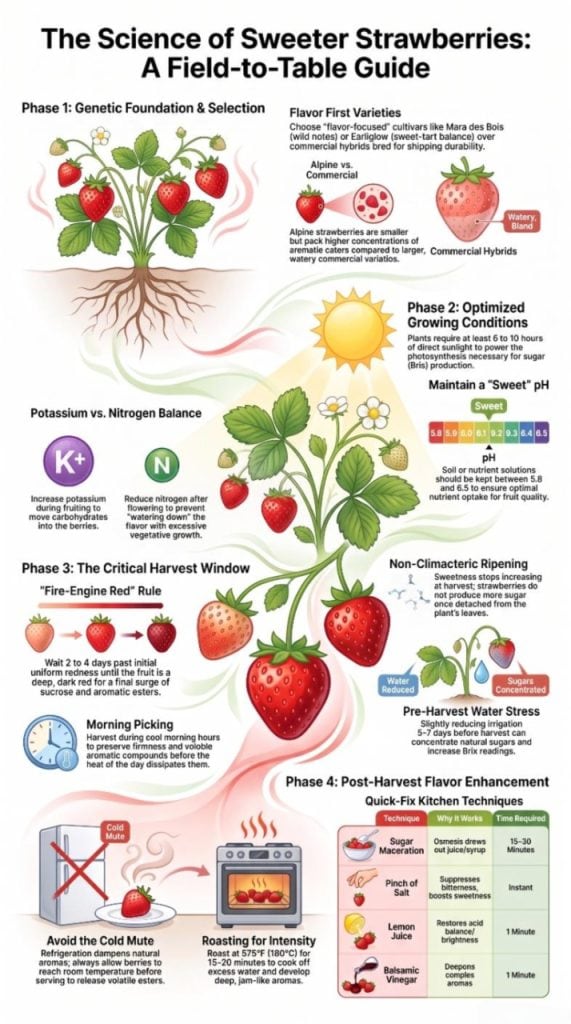
Harvest only fully ripe berries because sweetness stops increasing after picking.
Don’t pick the moment the skin turns uniform red, that’s a mistake I see beginner growers make constantly. In my fields, I wait an extra 2 to 4 days past full coloration until the fruit shifts to a deep ‘fire-engine red.’ That narrow window is when the plant pushes its final surge of sucrose and aromatic esters into the berry.
Morning harvest offers another advantage. Cooler fruit retains firmness and volatile compounds better than berries picked during hot afternoon conditions. Gentle handling also minimizes bruising and slows flavor deterioration.
A simple harvest checklist includes:
- Pick only full red harvest strawberries.
- Harvest during cool morning hours.
- Handle berries gently.
- Avoid stacking fruit deeply.
- Refrigerate only after field heat dissipates.
Eat strawberries soon after you pick or buy them. Their sweet taste and fresh scent start to fade as soon as they go into the refrigerator.
How Do You Know Berries Are Fully Ripe?
Look for complete red coloration from tip to calyx with no pale shoulders remaining.
Why Harvest in the Morning?
Cool temperatures preserve aroma, firmness, and overall eating quality.
How Can You Improve Bland Strawberries in 15 Minutes?
Maceration, balanced acidity, and a tiny amount of salt dramatically improve perceived flavor.
Sugar pulls moisture from sliced berries through osmosis, creating a naturally concentrated syrup. This process intensifies sweetness while preserving fresh aromas.
A small pinch of salt suppresses bitterness and enhances sweetness. A few drops of lemon juice or quality balsamic vinegar restore balance by increasing perceived brightness rather than simply adding sugar.
| Technique | Why It Works | Time |
| Sugar maceration | Osmosis concentrates juice | 15–30 minutes |
| Pinch of salt | Enhances sweetness perception | Instant |
| Lemon juice | Balances acidity | 1 minute |
| Balsamic vinegar | Deepens aroma | 1 minute |
These methods work especially well when store bought strawberries taste like water.
Why Does Maceration Work?
A little sugar creates an osmotic gradient that draws water out of cellular walls, creating a rich syrup without heat. When working with store-bought berries in my kitchen, I always let them sit at room temperature for 20 minutes beforehand; this allows cold-suppressed volatile esters to warm up and release their full aroma.
Does Roasting Make Strawberries Taste Better?
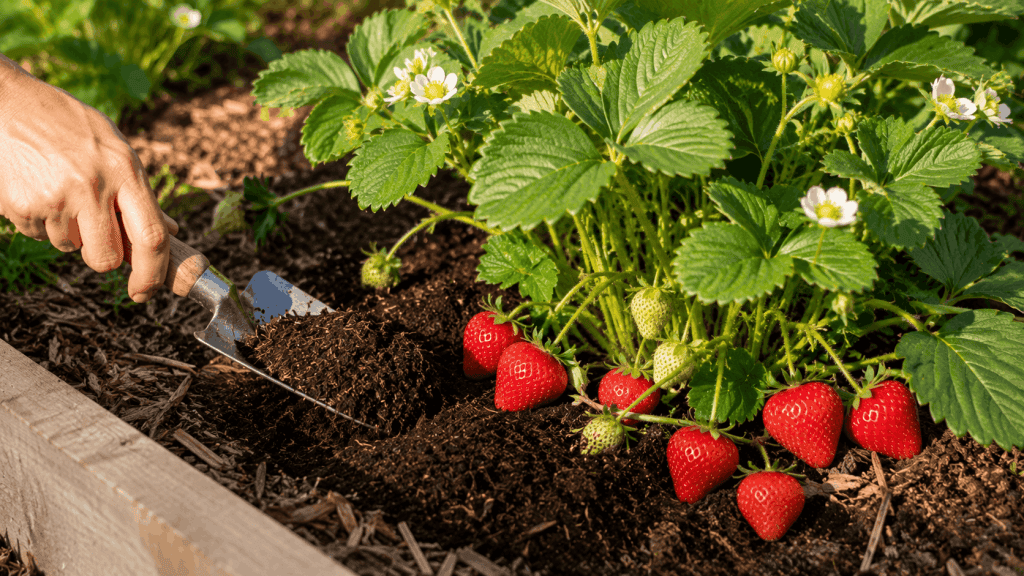
Gentle roasting concentrates sugars while developing deeper cooked strawberry aromas.
Roasting strawberries cooks off extra water. It also brings out a deeper, sweeter smell, similar to strawberry jam or pie filling.
Bake berries at 375°F (190°C) for approximately 15–20 minutes until softened but not collapsed. This approach works especially well for desserts, sauces, pancakes, yogurt, cheesecakes, and syrups.
Roasting is less suitable for:
- Fresh fruit salads.
- Decorative garnishes.
- Crisp fruit platters.
Instead, reserve roasted berries for recipes where concentrated flavor matters more than fresh texture.
Pro Tip: Cool roasted berries slightly before folding them into desserts to preserve texture.
How Can You Add More Strawberry Flavor to Baking and Ice Cream?
Reducing moisture while increasing fruit solids creates stronger strawberry flavor.
Fresh berries contain significant water, which can dilute cake batters and create icy ice cream textures. Many professional bakers instead use roasted berries or freeze dried strawberry powder baking applications.
| Ingredient | Flavor Intensity | Moisture |
| Fresh strawberries | Medium | High |
| Roasted strawberries | High | Medium |
| Freeze-dried strawberry powder | Very High | Very Low |
Freeze-dried strawberry powder packs a strong fruit flavor without adding moisture. It’s perfect for dry or fatty mixtures where liquid would cause problems, like in buttercream, cookie dough, or ice cream base.
While extracts provide aroma, they often miss the natural tartness and depth of real fruit. Powder made from actual berries delivers a more complete taste.
For the most complex flavor in desserts, try using both roasted berries and a bit of this powder. The roasted fruit gives a deep, cooked sweetness, and the powder sharpens the strawberry intensity.
Which Strawberry Flavor Myths Should You Ignore?
Several popular internet hacks lack reliable scientific support.
Adding sugar or molasses directly to soil does not increase berry sweetness. Plants produce sugars through photosynthesis rather than absorbing table sugar from the soil.
Likewise, strawberries cannot become sweeter after harvest because they are non-climacteric fruit.
Common myths include:
- Sugar in soil makes sweeter berries.
- Countertop ripening increases sweetness.
- Every vinegar soak improves flavor.
- More nitrogen always means better fruit.
Washing strawberries with a little vinegar and water is about cleaning them. It’s meant to reduce germs on the surface.
Using balsamic vinegar on strawberries is something else entirely. That’s for flavor, adding a sweet and tangy taste when you eat them. The two steps serve completely different purposes.
What Are the Best Steps to Improve Strawberry Flavor?
Start with good plants. Feed them right, water them carefully, and pick them at the perfect time. Doing all these things together is what gives you the best strawberries.
Whether managing soil beds or refining your hydroponic strawberries growing setup, consistent management outperforms quick fixes.
- Choose flavor-focused cultivars like Mara des Bois or Earliglow.
- Maintain balanced nutrition with adequate potassium.
- Monitor pH between 5.8 and 6.5.
- Provide at least 8 hours of sunlight.
- Reduce irrigation slightly before harvest.
- Harvest only completely red berries.
- Enhance purchased berries using maceration or roasting when needed.
A strawberry won’t get any sweeter after you pick it. The best time to pick is when it’s fully ripe.
If you’re growing them, the USDA and the University of California’s farm experts have useful guides. Their advice is based on actual research and testing.
FAQs
How to Improve Strawberry Flavor Profile in Hydroponics?
Hydroponic growers can improve strawberry flavor by maintaining a balanced K Ca Mg ratio strawberry hydroponics, supplying a stable hydroponic strawberry nutrient solution, and providing adequate light. These practices help increase hydroponic strawberry Brix and improve aroma. Use fruit Brix measurement with a strawberry sweetness refractometer to monitor sweetness and adjust nutrient levels based on plant growth and fruit development.
Does Harvest Timing Affect Strawberry Flavor?
Yes. Strawberry harvest timing Brix directly affects sweetness because strawberries undergo non-climacteric fruit ripening, which means they gain very little sugar after harvest. Picking full red harvest strawberries produces better flavor and aroma than harvesting early. Delayed harvesting can reduce storage life, while early picking limits post-harvest strawberry sugar levels and overall fruit quality.
Why Do Store Bought Strawberries Taste Like Water?
Many store bought strawberries taste like water because some commercial strawberry varieties taste are selected for shipping durability instead of flavor. Harvesting before full ripeness and extended refrigeration also reduce sweetness and aroma through strawberry cold storage flavor deterioration. Even with ongoing Driscoll strawberry breeding flavor improvements, Driscoll strawberry flavor comparison varies by season, location, and growing conditions.
Which Growing Practices Produce Sweeter Strawberries?
Successful high Brix strawberry growing depends on healthy soil, balanced nutrition, and proper irrigation. Maintaining the correct strawberry soil pH sweet berries, improving soil nutrients for flavorful strawberries, following the right strawberry nitrogen potassium ratio, and using proper strawberry plant fertilizer timing all support flavor. Some growers also apply potassium sulfate for strawberries and carefully manage irrigation before harvest.
How Can Bland Strawberries Taste Better After Picking?
If you want to know how to fix bland strawberries, simple kitchen techniques can improve flavor. The strawberry maceration technique using macerate strawberries sugar salt draws out natural juices and increases perceived sweetness. Adding lemon juice strawberry maceration or balsamic vinegar on strawberries enhances flavor balance. Serving room temperature strawberries flavor and gently roasting berries also concentrates their natural sweetness.
Better Flavor Comes From Every Step
Great-tasting strawberries don’t happen by chance. The way you choose varieties, manage nutrients, provide sunlight, control watering, and pick fruit at the right time all shape the sweetness and aroma you get. Even if your berries aren’t perfect, simple kitchen methods like macerating with sugar and a pinch of salt, roasting, or adding freeze dried strawberry powder can help bring out more natural flavor.
If you want better results, start with small changes and stick with what works. For more practical growing tips and simple ways to improve strawberry flavor, explore the expert hydroponic growing guides and flavor optimization tutorials at Tophydroponicgarden.
References
- https://www.sciencedirect.com/science/article/pii/S0308814626003195
- https://www.sciencedirect.com/science/article/abs/pii/S0963996925002893
Related Articles
- https://tophydroponicgarden.com/what-are-the-best-strawberry-companion-plants/
- https://tophydroponicgarden.com/hydroponic-strawberry-nutrient-solution-recipe/
- https://tophydroponicgarden.com/hydroponic-strawberries-growing-tips/
Was this helpful?

I’m Barrie L., a passionate hydroponic gardening enthusiast dedicated to cultivating thriving, soil-less gardens. With a focus on all things hydroponic, I share my expertise on innovative growing techniques and sustainable practices through my blog, tophydroponicgarden.com. As a seasoned hydroponics specialist, my goal is to inspire and guide fellow gardeners in harnessing the power of water-based cultivation for bountiful and eco-friendly harvests. I’m also an author of the book “Hydroponics For Absolute Beginners: Your Step By Step Guide For How To Create An Hydroponics System At Home Without Soil, For Growing Vegetable, Fruit And Herbs.” which is sold on Amazon. Join me on a journey of redefining the way we cultivate plants, one nutrient-rich solution at a time. Happy growing!