

Picture roots dancing between water and air – that’s the magic behind ebb and flow hydroponics. This growing method takes what plants love about nature and brings it indoors, minus the dirt and drama.
The system floods plant roots with nutrient-rich water on a schedule, then drains it away, giving roots that perfect mix of food and oxygen they crave. It’s like a buffet service for plants, regular meals followed by fresh air.
While it might sound complex, this method works because it copies what happens in nature, just more efficiently. Anyone interested in growing indoors should stick around – there’s more to unpack about this fascinating way to grow practically anything.
Key Takeaway
- Ebb and flow hydroponics uses a flood and drain system to efficiently deliver nutrients and oxygen to plants.
- The method is scalable, making it suitable for both home gardeners and commercial operations.
- Proper maintenance of nutrient levels and growing media is essential for optimal plant health.
Understanding Ebb and Flow Hydroponics System
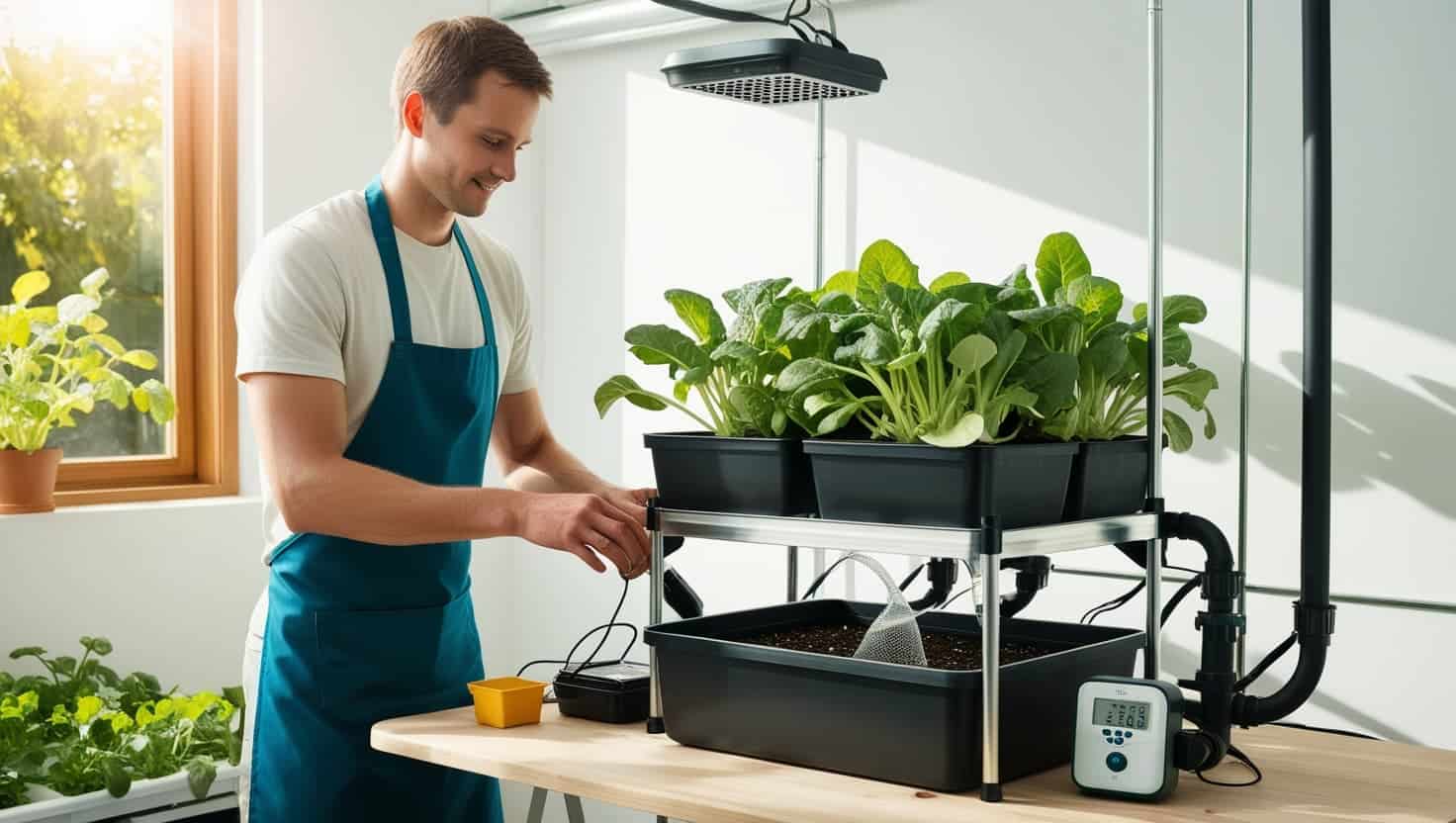
Ebb and flow hydroponics, a straightforward yet effective method, is all about timing and components. The system consists of various elements that work together to create an optimal growing environment. [1]
Key Components of the System
Every ebb and flow hydroponics system has essential components that ensure its effective operation.
Grow Tray or Flood Table
The grow tray, or flood table, is where the magic happens. This watertight tray holds your plants, usually in net pots filled with inert growing media. It’s designed to hold the nutrient solution during the flooding phase and allows for drainage during the ebb phase.
Nutrient Reservoir
This reservoir holds the nutrient solution that the plants need for growth. It’s crucial to mix the right hydroponic nutrient mix into the water to ensure your plants get the necessary nutrients.
Submersible Pump
The submersible pump is the heart of the system. It pumps the nutrient solution from the reservoir to the grow tray. When selecting a pump, it’s important to choose one that fits the size of your system and can handle the required flow rate.
Timer Mechanism
Timing is key in ebb and flow hydroponics. The timer controls when the pump turns on and off, regulating the flooding and draining cycles. It’s important to set the right intervals to ensure optimal nutrient delivery and aeration for plant roots.
Overflow Protection
An overflow tube is a handy component that prevents nutrient solution from spilling over the grow tray. It ensures that the water level remains consistent, which is essential for maintaining a healthy environment for your plants.
Drainage Setup
The drainage system allows the nutrient solution to flow back from the grow tray to the reservoir after flooding. This setup helps in recirculating the nutrient solution, making the system more efficient.
How the Cycle Operates
The ebb and flow hydroponics system operates in a cycle that provides plants with both nutrients and oxygen.

Credits : Proponics
Flooding Phase: Nutrient Delivery
During the flooding phase, the timer activates the pump, which fills the grow tray with the nutrient,rich solution. This is when the plant roots absorb the dissolved nutrients directly from the solution.
Nutrient Absorption by Roots
While submerged, the roots are bathed in the nutrient solution, allowing for efficient nutrient uptake. This phase is crucial for the plant’s overall health and growth.
Draining Phase: Root Aeration
Once the flooding period is over, the pump shuts off, and the solution drains back into the reservoir. This draining phase exposes the roots to air, providing the oxygen necessary for respiration and healthy root development.
Repetition and Timing of Cycles
The flood and drain cycle repeats several times a day, depending on the needs of the plants and environmental conditions like temperature and humidity. Timing adjustments may be necessary as the plants grow and their nutrient requirements change.
Advantages and Suitability
Something about ebb and flow hydroponics that doesn’t get enough attention is how well it works for pretty much anyone who wants to try growing plants without soil.
Benefits of the Flood and Drain Method
Nature’s got this whole water thing figured out, and that’s exactly what this method copies. Plants actually do better when they’re not swimming in water 24/7, which is pretty much common sense when you think about it.
Natural Watering Simulation
The way water comes and goes in these systems is a lot like what happens after a good rain. Roots get their drink of water, then get a chance to breathe between floods, which keeps them from turning into mush (which happens way too often when people overwater their plants).
Enhanced Nutrient and Oxygen Supply
Plants are kind of like us, they need both food and air to survive. When the water floods in, roots soak up nutrients like a sponge, and when it drains away, they gulp down oxygen. It’s really a perfect back and forth that keeps plants happy and growing strong.
Versatility for Various Plant Types
You’d be amazed at what you can grow in these systems , everything from basic lettuce to tomatoes that taste better than anything from the store. There’s probably not a vegetable or herb out there that won’t do well in an ebb and flow setup, plus most flowers love it too.
System Scalability and Cost,effectiveness
One of the coolest things about these systems is how they can work for basically anyone, anywhere. That’s probably why they’re showing up in more places these days.
From Home Gardening to Commercial Use
A setup that fits on your kitchen counter works just the same as one that fills a greenhouse. Whether you’re starting small or scaling up, an ebb and flow system adapts surprisingly well.
Setting things up isn’t rocket science either, most people can figure it out in a weekend, whether they’re putting together a small herb garden or planning something bigger (though commercial setups need more planning, obviously).
Minimal Additional Aeration Needs
The simple act of water draining away does all the work of expensive air pumps and bubblers. When the water level drops, fresh air gets pulled right down to the roots, and they love it.
This means you don’t have to mess around with complicated equipment that just adds more things that could break down.
Growing Media and Its Role
Anyone who’s spent time with hydroponic systems knows that picking the right stuff to grow plants in makes all the difference between thriving gardens and soggy failures.
Characteristics of Ideal Growing Media
The stuff plants grow needs to do two main jobs, keep them standing tall and make sure their roots get both water and air.
Inert Nature and Moisture Retention
Most growers pick materials that don’t mess with the nutrient mix, like clay pellets or perlite. These materials act like tiny sponges, soaking up water when it floods in and slowly letting it go as the roots need it.
The best part is how they create little pockets of air between the pieces, giving roots room to breathe and stretch out.
Weight Considerations to Prevent Floating
Nobody wants to see their plants bobbing around like rubber ducks when the flood comes in. The growing media needs enough weight to stay put, which is why experienced growers often mix heavier materials with lighter ones.
Some growers learned this lesson the hard way, watching their carefully planted seedlings float up and tip over during the first flood cycle.
Commonly Used Media Options
Every grower seems to have their favorite mix of growing materials, and they’ll talk your ear off about why theirs works best.
Clay Pellets and Rockwool
Clay pellets look like little brown marbles and work great because they’re nearly impossible to mess up. They last pretty much forever if you take care of them, and roots love growing around them.
Rockwool’s more like dense cotton candy made of stone , it holds onto water like nobody’s business and gives roots something solid to grab onto, though some growers don’t like how it breaks down over time.
Perlite and Coconut Coir
Perlite’s those white bits that look like styrofoam, and they’re amazing for drainage but tend to float around unless mixed with something heavier. Coconut coir feels almost like potting soil but it’s actually ground up coconut husks, and plants seem to love how it holds moisture without getting soggy.
Most growers end up mixing these together to get the best of both worlds.
Maintenance and Optimization
Like any garden setup, these systems need regular attention. If you’re wondering if ebb and flow system is right for you, it comes down to consistent checks, media care, and timing adjustments to keep everything running smooth as silk.
Monitoring Nutrient Solution Quality
The water that feeds your plants needs as much attention as the plants themselves. Think of it as making soup , the recipe needs to be just right. [2]
pH Balance and Nutrient Concentration
Most crops like their nutrient soup slightly acidic, usually between 5.5 and 6.5 on the pH scale. Testing this stuff becomes second nature after a while, like checking your coffee’s temperature before taking a sip.
Smart growers keep records of what works best for different plants and adjust their nutrient mix based on how the plants respond.
Care for Growing Media
Even the best growing media gets gunky over time and needs some attention to stay working right.
Cleaning and Sterilization Practices
Between grows, the media needs a good cleaning to get rid of old root bits and mineral buildup. Most growers give their clay pellets a hot water bath and let them dry in the sun, while coir usually gets replaced altogether.
Some folks swear by hydrogen peroxide solutions for cleaning, but plain hot water works fine most of the time.
Timer Settings and Cycle Adjustments
Getting the flooding schedule right feels like an art form sometimes, but it makes all the difference in how plants grow.
Avoiding Overwatering and Underwatering
Young plants might need just two or three floods a day, while bigger ones get thirsty for five or six cycles. The trick is watching how the plants respond , droopy leaves usually mean they need more frequent flooding, while yellowing bottom leaves might signal too much water.
Most growers start with 15 minute flood cycles and adjust from there based on what their plants tell them.
FAQ
What are the main hydroponic system components in an ebb and flow setup?
An ebb and flow hydroponics setup includes a reservoir, submersible pump, timer control, overflow tube, and a drainage system. The grow tray holds plants in net pots filled with inert growing media like expanded clay, rockwool, or coconut coir.
These hydroponic system components work together to flood and drain the tray at set times during the hydroponic cycle.
How does nutrient uptake happen in ebb and flow hydroponics?
During the flow phase, the nutrient solution floods the hydroponic tray, soaking the growing media and letting roots absorb nutrients. As water drains during the ebb phase, the roots get oxygen, which helps with root oxygenation and overall plant root health.
A good hydroponic nutrient mix, proper hydroponic cycle timing, and balanced nutrient concentration all support strong nutrient uptake.
Which growing media works best in an ebb and flow system?
Popular choices include clay pellets, perlite, expanded clay, rockwool, and coconut coir. These hydroponic substrates offer great drainage and allow for good root aeration during the ebb phase.
Since ebb and flow hydroponics uses periodic flooding, it’s important to use media that doesn’t hold too much moisture, which helps with root rot prevention.
How do you keep plant roots healthy in ebb and flow hydroponics?
Healthy roots need oxygen, nutrients, and protection from disease. A well-timed ebb and flow hydroponic flood table setup supports hydroponic root development through regular root oxygenation and steady nutrient delivery.
Keep up with hydroponic reservoir maintenance, manage water pH control, check your hydroponic pump, and clean your system to prevent clogging, algae, and disease.
Conclusion
Ebb and flow hydroponics stands out for its simplicity and efficiency. By understanding the components, operation, and maintenance of this system, you can create a thriving hydroponic garden.
Whether you’re growing herbs, vegetables, or flowers, this method provides a reliable way to ensure healthy plant growth. Ready to set up your own ebb and flow system? Start with the basics and watch your garden flourish!
References
- https://extension.oregonstate.edu/sites/extd8/files/catalog/auto/EM9458.pdf?
- https://www.academia.edu/114220438/Development_of_a_ph_Control_System_for_nutrient_solution_in_EBB_and_Flow_Hydroponic_Culture_Based_on_Fuzzy_Logic?
Related Articles
- https://tophydroponicgarden.com/ebb-and-flow/
- https://tophydroponicgarden.com/ebb-and-flow-system-guide/
- https://tophydroponicgarden.com/is-ebb-and-flow-system-right-for-you/
Was this helpful?

I’m Barrie L., a passionate hydroponic gardening enthusiast dedicated to cultivating thriving, soil-less gardens. With a focus on all things hydroponic, I share my expertise on innovative growing techniques and sustainable practices through my blog, tophydroponicgarden.com. As a seasoned hydroponics specialist, my goal is to inspire and guide fellow gardeners in harnessing the power of water-based cultivation for bountiful and eco-friendly harvests. I’m also an author of the book “Hydroponics For Absolute Beginners: Your Step By Step Guide For How To Create An Hydroponics System At Home Without Soil, For Growing Vegetable, Fruit And Herbs.” which is sold on Amazon. Join me on a journey of redefining the way we cultivate plants, one nutrient-rich solution at a time. Happy growing!