

Hydroponic vegetables are just as nutritious as soil-grown ones, and often cleaner and more controlled. There are many common myths about hydroponic growing that need to be addressed.
The method isn’t strange or fake, it’s simply a way of growing plants in water that’s been carefully mixed with the minerals they need.
Instead of guessing what’s in the soil, you know exactly what’s feeding the roots. Some people still worry it’s unnatural or weak in nutrients, but those claims don’t match what careful growers see in real systems.
If you’re curious about how hydroponics really works, and whether it’s right for you, keep reading to see the full picture.
Understanding these common myths about hydroponic growing can help clarify the misconceptions surrounding this innovative method.
Key Takeaways
- Hydroponics uses clean, precise nutrient solutions, not harmful chemicals.
- It can produce vegetables with equal or higher nutritional value.
- Hydroponic systems are highly water-efficient and scalable for any space.
The Truth About Chemicals in Hydroponics

People hear the word “chemical” and their shoulders tense up a little. Especially when it’s about something they’re going to eat.
Hydroponics often gets dragged into that fear, as if growers are pouring harsh lab liquids into the water and hoping for the best. That picture doesn’t really match what’s happening in an actual system.
The idea that hydroponics relies on dangerous chemicals is a persistent myth. In reality, hydroponic systems use a carefully balanced mix of essential minerals dissolved in water, reflecting the principles behind the best type of water to use for hydroponics.
By debunking common myths about hydroponic growing, we can help inform those who are curious about this sustainable practice.
These are the same nutrients plants would absorb from soil, just delivered in a cleaner, more predictable way.
You’re not doing anything “unnatural” to the plant. You’re just skipping the middleman: soil. In soil, roots have to search around for what they need. In hydroponics, those same nutrients are already dissolved in water, ready to be taken up right away.
The difference lies in control and precision. You’re not relying on the variable composition of soil, pH swings, nutrient lockout, or random contaminants. Instead, you provide exactly what the plants need, when they need it.
That level of control does something important: It reduces guesswork and also eliminates the risk of many soil-borne contaminants like certain fungi, nematodes, and heavy metal buildup from polluted ground.
Common nutrient solutions include:
- Nitrogen for strong, green leaf growth
- Phosphorus for roots, flowers, and fruit development
- Potassium for overall plant health and disease resistance
On top of that, growers often add tiny amounts of trace elements like calcium, magnesium, iron, and zinc (in very controlled doses), because plants need those too, just in smaller amounts.
These aren’t mystery substances; they’re the same minerals listed on fertilizer bags for traditional gardening.
Because everything is measured, down to milliliters and parts per million, you can avoid overfeeding and underfeeding.
That’s harder to do in soil, where a dry spot, compacted area, or old fertilizer can throw off balance. Many hydroponic growers also monitor pH carefully so nutrients stay in the range plants can actually use.
This method often results in cleaner produce, free from soil-borne pathogens, and with far fewer pesticide residues.
Indoor or greenhouse hydroponic setups can avoid many insects and diseases from the start, so growers don’t have to spray as much.
For a lot of people who worry about what’s on their food, that’s one of the quiet advantages of hydroponics, less mystery, more control, and plants that are simply fed what they need, no more, no less.
Nutritional Value of Hydroponic Vegetables
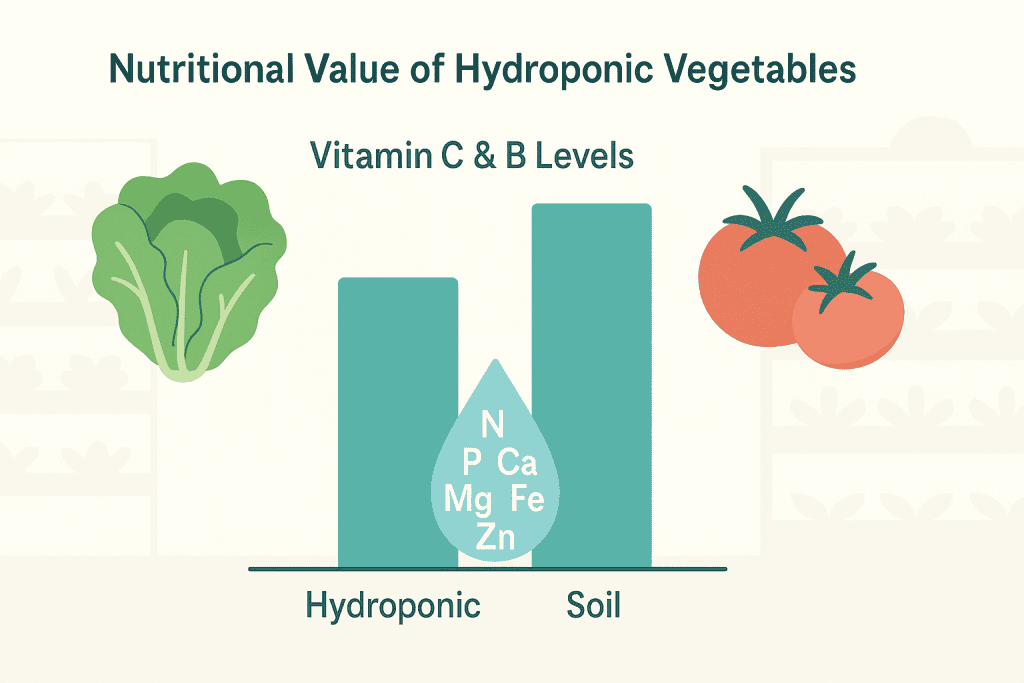
People tend to trust what grows in “real dirt” more than what grows in water. It feels more natural, more old-world, like something your grandparents would have done in the backyard.
So when hydroponic vegetables enter the conversation, a lot of people quietly assume they must be weaker, watered-down versions of the “real” thing.
Some believe hydroponic vegetables are nutritionally inferior. Research suggests otherwise. Because hydroponic systems allow for precise control over nutrients, plants can absorb optimal levels of vitamins and minerals instead of just whatever happens to be in the soil.
This is one reason why many choose hydroponics over soil. In soil, plants are dealing with a lot at once. They’re competing with weeds, fighting for space, and sometimes trying to survive in poor or compacted ground.
If the soil is low in magnesium or iron, for example, the plant can’t magically fix that. It just grows with what it has, even if that means lower nutrient content.
Hydroponics shifts that balance. Because everything is delivered through water, you can dial in the exact mix of nutrients, macronutrients like nitrogen, phosphorus, and potassium, plus micronutrients like iron, zinc, and manganese.
That means you can grow lettuce with enough calcium to keep its leaves strong, or tomatoes with plenty of potassium to support fruit quality, simply by adjusting the solution.
This controlled environment means plants can focus energy on growth and development, not survival. They aren’t dealing with drought, random nutrient pockets in soil, or competition from nearby roots.
As a result, they often grow faster, more evenly, and with a more consistent nutrient makeup from one harvest to the next.
The result is often produced with comparable or even enhanced nutrient profiles. For instance, studies have shown higher levels of certain vitamins, like vitamin C and some B vitamins, in hydroponic lettuce compared with some soil-grown samples.
That doesn’t mean soil is “bad,” it just shows that hydroponics, when managed well, can match or even exceed traditional methods in nutrition.
Taste and texture often line up with this too. Plants that get what they need, when they need it, can form crisp leaves, firm fruits, and good flavor. A stressed plant, by contrast, might be tougher or less flavorful, even if it grew in a very “natural” field.
The key is the grower’s ability to tailor the nutrient solution. You’re not leaving nutrition to chance or guessing what might be in the ground.
You can test, adjust, and fine-tune, almost like a recipe. For people who care a lot about consistency, chefs, home growers, or anyone watching their diet, that level of control is one of the quiet strengths of hydroponic vegetables.
Is Hydroponics Natural
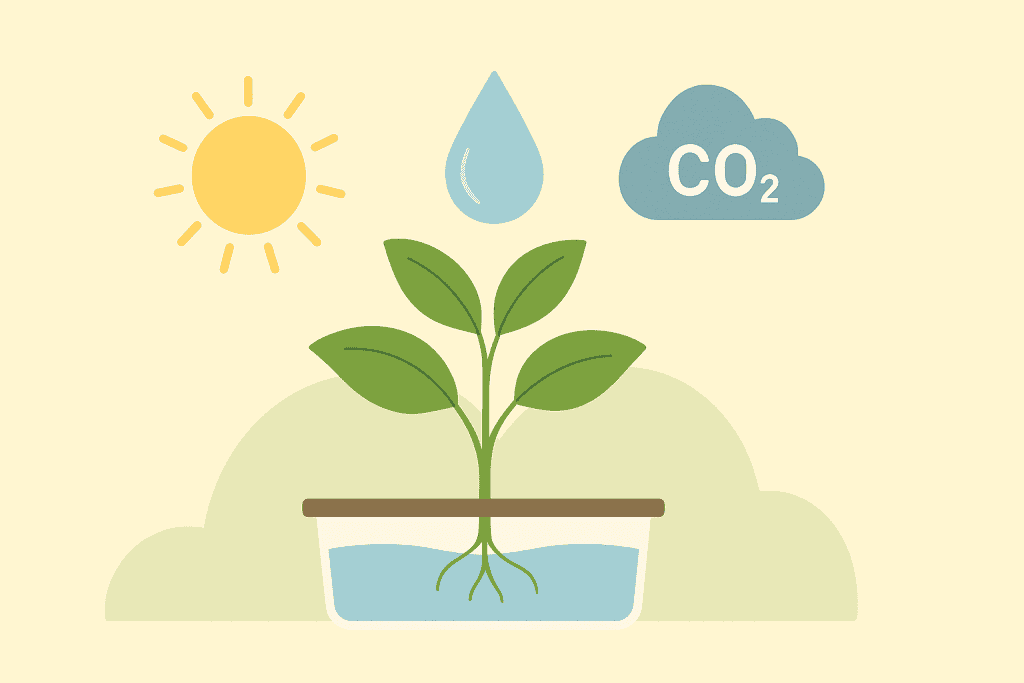
Labeling hydroponics as “unnatural” misunderstands the process. Plants still undergo photosynthesis, just without soil.
They use light, water, and carbon dioxide to produce energy, exactly as they would outdoors. The medium, water instead of soil, is simply a different support system [1].
This approach avoids many issues associated with traditional farming. Soil-borne diseases become irrelevant.
Pesticide use can be minimized or eliminated. It’s a shift in method, not in the fundamental biology of plant growth. The plants don’t know the difference; they just thrive.
Water Usage in Hydroponic Systems
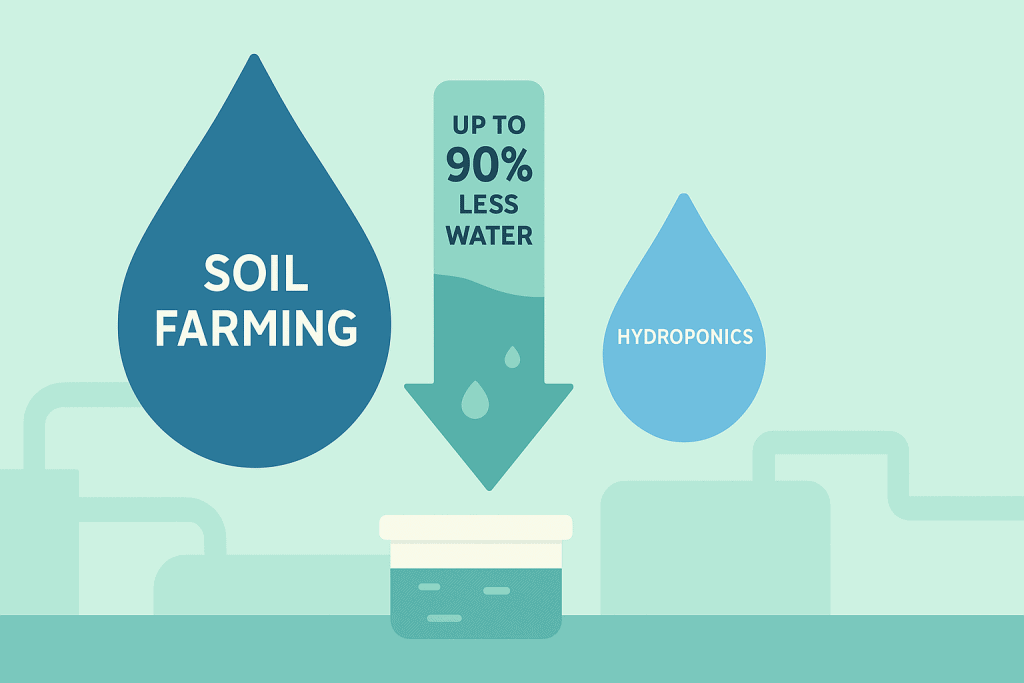
The myth that hydroponics wastes water couldn’t be further from the truth. Traditional farming loses vast amounts of water to evaporation and runoff.
Hydroponics, by contrast, recirculates water within a closed system. This efficiency can reduce water usage by up to 90%, showing a clear advantage when compared to hydroponics vs traditional gardening.
The system’s design minimizes loss, making it one of the most sustainable farming methods available. Every drop is put to work directly nourishing the plants.
Cost and Maintenance Realities
Initial investment can be higher than soil gardening; emphasizing maintenance ease increases with automation. While initial setup costs can vary, hydroponics is far from the expensive, high-maintenance hobby people imagine [2].
Beginner-friendly kits are available at reasonable prices. Maintenance typically involves monitoring pH levels and nutrient concentrations, tasks that become routine quickly. Many modern systems include automated features to simplify the process.
Over time, the ability to grow fresh produce at home can lead to significant savings. It’s an investment that pays off in both convenience and quality.
Organic Possibilities in Hydroponics

Credits: ZipGrow
The belief that hydroponics can’t be organic is another common misconception. Organic principles focus on using natural inputs and avoiding synthetic chemicals.
These methods are adaptable to hydroponic systems. You can use organic liquid fertilizers and introduce beneficial insects for pest control.
The soilless environment doesn’t preclude organic practices; it just changes how they’re applied. With careful management, hydroponics can align perfectly with organic standards, producing healthy, natural food.
Note ongoing debate and regulatory challenges around organic certification for hydroponics; highlight that some growers use organic inputs and biological pest controls.
Growing Beyond the Myths
Hydroponic growing myths often stem from a lack of information. By understanding the facts, you can appreciate the method’s benefits.
It offers a clean, efficient way to cultivate plants, regardless of space or climate. The controlled environment leads to reliable, high-quality results [3].
Don’t let misconceptions hold you back from exploring this innovative approach. Start small, learn as you go, and watch your garden thrive. The truth is, hydroponics is accessible to anyone willing to give it a try. Your journey to greener thumbs begins with a single step.
FAQ
1. What should beginners know when trying to understand common hydroponic myths?
Many new growers face common hydroponic myths connected to hydroponics misconceptions, hydroponic gardening myths, and hydroponic beginner myths.
These concerns often grow from hydroponics beginner fear myths, the hydroponics complexity myth, and the hydroponic ecosystem myth.
When beginners learn basic hydroponic growing facts, debunking hydroponics myths becomes easier, and hydroponic myth busting feels more manageable for any starting grower.
2. Are there real concerns behind indoor gardening myths and myths about soilless gardening?
Indoor gardening myths often link to hydroponic system misconceptions, hydroponics environmental myths, and myths about soilless gardening.
People may also repeat the hydroponic pump myth, hydroponic equipment myths, and the hydroponics noise myth.
These worries sometimes come from misunderstanding the hydroponics science myth and the hydroponic growing truth. Clear explanations help people understand how these systems work and reduce unnecessary concerns.
3. Do hydroponic nutrient myths or the hydroponics pH myth affect plant quality?
Hydroponic nutrient myths often appear alongside the hydroponics pH myth, the hydroponic nutrient burn myth, and various hydroponic plant growth myths.
Some growers worry about the hydroponics contamination myth, the hydroponic disease myth, or the hydroponic root rot myth.
Others raise the hydroponic plant nutrition myth or the hydroponic plant quality myth. Reliable guidance helps growers maintain healthy plants and avoid preventable problems.
4. Are the hydroponic flavor myth, hydroponic health myth, or hydroponics GMO myth supported by facts?
Some growers believe the hydroponic flavor myth or repeat the hydroponic health myth. Others fear the hydroponic GMO myth or misunderstand the hydroponic organic myth.
Additional claims include the hydroponics toxins myth, the hydroponic chemical myth, and the hydroponics electricity danger myth.
These concerns often mix with the hydroponic pests myth, the hydroponic algae myth, and the hydroponics pest myth. Clear facts help people judge these issues properly.
5. Do hydroponics cost myths or the hydroponics water usage myth reflect real challenges?
People often worry about hydroponics cost myths, the hydroponics water usage myth, and the hydroponic cost efficiency myth.
Others mention the hydroponics water cleanliness myth, the hydroponics water changing myth, or the hydroponics waste myth.
Additional concerns include the hydroponics vs soil myths, the hydroponic irrigation myth, the hydroponics scalability myth, and the hydroponic failure myth.
Accurate information helps growers understand actual system needs and long-term performance.
Conclusion
Hydroponics succeeds because it gives growers clean control, predictable nutrition, and impressive efficiency.
Once common myths are removed, the method becomes far less intimidating and far more practical. Whether you’re growing indoors, outdoors, or in limited space, hydroponics offers a reliable way to produce healthy, flavorful plants.
With the right information, anyone can start confidently. The truth is simple: hydroponics is a modern, effective, and accessible approach to growing.
References
- https://www.simply-hydroponics.com/51/photosynthesis-it%E2%80%98s-the-same-for-hydroponic-gardens/
- https://www.greengenius.com.au/blogs/news/soil-vs-hydroponics-comparing-growth-rates-and-yields
- https://www.sfa.gov.sg/food-for-thought/article/detail/hydroponics-getting-to-the-root-of-the-myths
Related Articles
- https://tophydroponicgarden.com/what-type-of-water-to-use-for-hydroponics/
- https://tophydroponicgarden.com/why-choose-hydroponics-over-soil/
Was this helpful?
I’m Barrie L., a passionate hydroponic gardening enthusiast dedicated to cultivating thriving, soil-less gardens. With a focus on all things hydroponic, I share my expertise on innovative growing techniques and sustainable practices through my blog, tophydroponicgarden.com. As a seasoned hydroponics specialist, my goal is to inspire and guide fellow gardeners in harnessing the power of water-based cultivation for bountiful and eco-friendly harvests. I’m also an author of the book “Hydroponics For Absolute Beginners: Your Step By Step Guide For How To Create An Hydroponics System At Home Without Soil, For Growing Vegetable, Fruit And Herbs.” which is sold on Amazon. Join me on a journey of redefining the way we cultivate plants, one nutrient-rich solution at a time. Happy growing!