

A common myth says hydroponic plants lack nutrients or flavor. That’s not true. That’s a common misconceptions about hydroponics. Flavor depends on the plant type and how you care for it, not on the growing method.
In reality, beginner kits and simple systems make hydroponic gardening easy to start. You can grow fresh food year-round in small spaces like apartments or rooftops.
It saves water and can produce tasty, nutritious food by applying simple hydroponics beginner methods to provide balanced nutrients directly to roots.
If you want to learn about container farms or soil-free growing, knowing the facts can help you decide. Keep reading to see why hydroponics might be easier than you think.
Key Takeaways
- Hydroponics is simple enough for beginners and doesn’t need expensive equipment.
- Hydroponic plants can be just as nutritious and tasty as soil-grown ones.
- Hydroponics uses less water and works well in cities or small spaces.
Hydroponics Is Not as Hard as It Seems
Many people believe hydroponics is only for experts or needs lots of technical skills. That’s wrong. You can start with easy systems that need little work.
The Kratky method is one example. It uses no pumps or electricity. Just put plants in water with nutrients and wait. Deep Water Culture (DWC) is another simple way. You don’t have to be a plant scientist to try these.
- Beginner kits come with clear instructions and all parts included.
- Online groups like Reddit’s r/Hydroponics help beginners with advice.
- Checking pH and nutrients is easy once you get used to it.
Hydroponics needs some care, like watching for pump problems or nutrient levels. But most tasks take just a few minutes each day. You can pick a system that fits how much time you want to spend.
Hydroponics Can Be Affordable
Some say hydroponics costs too much to start. That’s not always true. You can build a system with cheap or recycled items.
People use buckets, plastic containers, and simple tubing to make hydroponic gardens. Electricity for pumps and grow lights adds to costs but can be kept low. You save money on water and pesticides.
- DIY hydroponics can fit small budgets.
- Hydroponics uses up to 90% less water than soil gardening, thanks to efficient use of the nutrient solution for hydroponics that recycles water and nutrients.
- You buy fewer pesticides because pests are less common.
You don’t have to spend a lot at once. Start small with herbs or lettuce and grow your system over time.
Hydroponic Food Is Nutritious and Tastes Good
A common myth says hydroponic plants lack nutrients or flavor. That’s not true.
Hydroponics gives plants exactly the nutrients they need. Research shows hydroponic vegetables can be just as nutritious as soil-grown ones. Flavor depends on the plant type and how you care for it, not on the growing method. [1]
- Many growers say their hydroponic crops taste great.
- You can adjust nutrients to improve taste and health benefits.
- Hydroponics lowers the risk of soil diseases.
People worry about chemicals in hydroponics, but the nutrients are just minerals plants need. They are similar to soil fertilizers. You can also use organic nutrients if you prefer.
Hydroponics Saves Water and Is More Sustainable

Some think hydroponics wastes water. Actually, it uses water very efficiently.
Hydroponic systems recycle water in a closed loop. This means less water is lost, so you use much less than soil farming. This is helpful in dry places or cities.
- Water recycling saves up to 90% compared to soil gardens.
- Many hydroponic farms use energy-saving LED grow lights.
- Regular checks stop leaks and keep systems running well.
Though hydroponics uses electricity, new technology helps keep energy use low. Growing food locally with hydroponics cuts down on transport and pollution. [2]
Hydroponics Grows More Than Just Greens
People often think hydroponics only grows lettuce or herbs. But you can grow tomatoes, strawberries, cucumbers, and more.
Growth speed depends on light, nutrients, and temperature. Hydroponics gives you control but does not guarantee fast growth without good care.
- Systems can be adjusted for many kinds of plants.
- Different crops need different nutrients and setups.
- Pest risks are lower but keeping things clean is important.
Hydroponic growers are now growing lots of fruits and veggies successfully.
Hydroponics Works Well in Cities
Hydroponics suits cities where space and soil are limited. Using the right nutrient solution for hydroponics helps plants thrive in controlled environments like balconies or indoor gardens. Container farms and rooftop gardens let people grow fresh food nearby.
This means fresher produce and less travel. Hydroponic farms can work all year, no matter the weather.
- Vertical growing saves space in small areas.
- Controlled spaces protect plants from city pollution.
- Urban growers supply fresh food to local markets.
Hydroponics helps cities grow more food sustainably and locally.
Many Resources Help You Learn Hydroponics
Starting hydroponics can seem hard, but help is easy to find. Videos, forums, and local groups offer simple advice.
Other growers share tips on fixing problems and improving growth. This support helps new growers feel confident.
- Reddit’s r/Hydroponics is friendly and active.
- Tutorials show how to use household items for setups.
- Workshops teach basics in some communities.
You don’t have to learn everything alone.
Pest and Disease Control Is Different but Needed
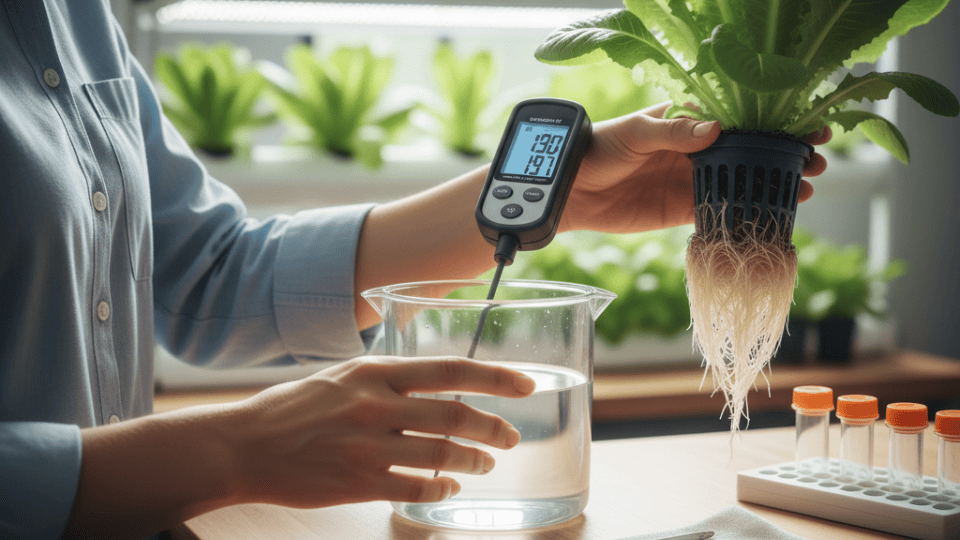
Hydroponics reduces soil pests but doesn’t eliminate all problems. Bugs like aphids or mold can still appear.
Keeping system parts clean and checking plants often helps prevent issues. Hydroponics makes pest problems easier to spot and fix.
- No soil means fewer root diseases.
- Clean water and tools lower risks.
- Regular checks catch pests early.
Good habits keep your plants healthy.
Hydroponic Food Is Safe to Eat
Some worry hydroponic plants aren’t safe because of nutrients. Actually, hydroponic food can be cleaner than soil-grown.
No soil means fewer chances for bacteria like E. coli. Nutrients are carefully balanced to avoid harm.
- Hydroponic farms use strict safety rules.
- Less need for chemical pesticides.
- Cleaner growing conditions overall.
Hydroponic produce is a safe choice, especially in cities.
Grow Lights Help Plants Grow Indoors
Light is very important for plants. Hydroponics often uses LED grow lights to help plants inside.
LED lights use less power and can give plants the exact light they need. This helps plants grow better and taste good.
- Grow lights let you grow anytime, any season.
- Different plants need different amounts of light.
- Good lighting helps control your growing space.
Though grow lights add cost, they improve plant health and harvest.
Hydroponics and Automation: Not Always Needed
Some think hydroponics means fancy machines and automation. That’s not always true.
You can start with simple setups without timers or sensors. Automation helps with large or commercial farms, but small growers do fine manually.
- Basic systems need hand watering or simple pumps.
- Automation can save time but costs more.
- Beginners benefit from learning basics first.
Start simple, then add gadgets if you want.
Hydroponics and Soil Gardening: Differences and Benefits
Hydroponics is different from soil gardening, but neither is better for everyone.
Soil needs more water and space but is easier for some plants. Hydroponics saves water and space but needs careful monitoring.
- Soil holds nutrients naturally; hydroponics feeds plants directly.
- Hydroponics can grow plants faster with proper care.
- Both methods have places in home and commercial gardening.
You can try both to see what fits your style.
Hydroponic Produce and Organic Farming
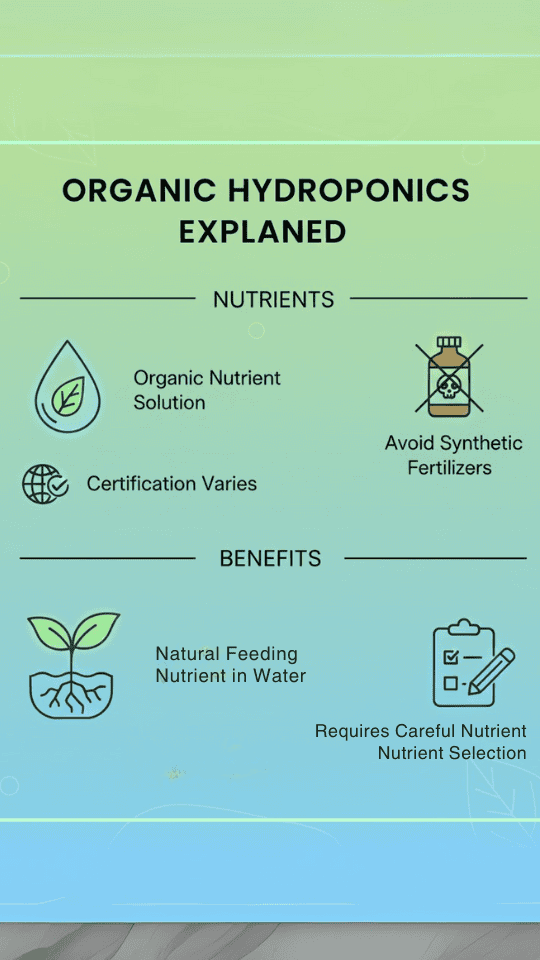
People ask if hydroponics can be organic. The answer is yes, but with some limits.
Hydroponics uses nutrient solutions that can be organic. It’s tricky to find all organic nutrients, but growers do it.
- Organic hydroponics avoids synthetic fertilizers.
- Certification rules vary by country.
- Organic nutrients feed plants naturally in water.
So, hydroponics can be organic but needs thoughtful nutrient choices.
Hydroponics and Food Security
Credits: Ted-ed
Hydroponics can help grow food in places where soil is poor or land is scarce.
In cities or dry areas, hydroponics produces fresh food year-round. This helps communities have steady food supplies.
- Hydroponics fits tight spaces and harsh climates.
- Local growing lowers food transport needs.
- It supports healthy diets in urban areas.
Hydroponics could play a bigger role in feeding growing populations.
FAQ
Is hydroponic farming only for big commercial operations?
Many people think hydroponic farming only works in massive container farms or industrial settings. This common misconception keeps home gardeners from trying this growing system. You can start hydroponic growing in a small grow room, spare bedroom, or even on a countertop. Simple systems work great for growing plants at home and producing fresh food year round without needing acres of space.
Do hydroponic plants taste worse than soil-grown produce?
This misconception surrounding hydroponics claims that hydroponic produce lacks flavor compared to soil gardening. Research shows hydroponic plants can taste just as good, sometimes better, than traditionally grown fruits and vegetables. The controlled environment lets you fine-tune nutrients for optimal taste. Many hydroponic farms focus specifically on flavor, proving this growing system can create delicious, nutritious food.
Can you only grow certain plant species hydroponically?
People often believe hydroponic growing works for just lettuce and herbs. This limits their view of what’s possible with hydroponic gardens. You can grow almost any plant species hydroponically, from tomatoes and peppers to strawberries and cucumbers. Container farms successfully produce dozens of different fruits and vegetables. The key is choosing the right growing environment and setup for each crop.
Do hydroponic systems require expensive grow lights all the time?
A common misconception suggests all hydroponic farming needs costly artificial lighting. While grow lights help in windowless spaces or during winter, many hydroponic plants thrive in natural sunlight. Greenhouse hydroponic farms often rely mainly on sun, using lights only as backup. You can place small systems near windows and grow fresh food without expensive lighting equipment for most of the year.
Conclusion
Hydroponics isn’t perfect, but it’s a smart way to grow fresh food. Knowing the truth behind common myths helps you start with realistic expectations. With simple systems, support from communities, and some care, you can grow healthy plants year-round. If you’ve been unsure about hydroponics, there’s no better time to try it. Start small, learn as you go, and enjoy fresh food from your own hydroponic garden.
References
- https://www.ncbi.nlm.nih.gov/pmc/articles/PMC7885021/
- https://pmc.ncbi.nlm.nih.gov/articles/PMC10625363/
Related Articles
- https://tophydroponicgarden.com/understanding-hydroponic-nutrients/
- https://tophydroponicgarden.com/how-to-make-nutrient-solution-for-hydroponics/
- https://tophydroponicgarden.com/hydroponics-for-beginners/
Was this helpful?

I’m Barrie L., a passionate hydroponic gardening enthusiast dedicated to cultivating thriving, soil-less gardens. With a focus on all things hydroponic, I share my expertise on innovative growing techniques and sustainable practices through my blog, tophydroponicgarden.com. As a seasoned hydroponics specialist, my goal is to inspire and guide fellow gardeners in harnessing the power of water-based cultivation for bountiful and eco-friendly harvests. I’m also an author of the book “Hydroponics For Absolute Beginners: Your Step By Step Guide For How To Create An Hydroponics System At Home Without Soil, For Growing Vegetable, Fruit And Herbs.” which is sold on Amazon. Join me on a journey of redefining the way we cultivate plants, one nutrient-rich solution at a time. Happy growing!