

A failed water pump is more than an inconvenience; it’s a costly emergency. To avoid unexpected breakdowns and expensive replacements, you need a pump built to last. This guide cuts through the noise and shows you exactly what to look for, from rust-proof materials to the right performance specs, to ensure you invest in a pump that delivers reliable service for years.
Key Takeaway
- Pump material greatly affects durability, with stainless steel and bronze offering the longest lifespan.
- Matching pump type and power source to your application prevents premature wear and failure.
- Proper installation and regular maintenance maximize pump reliability and lifespan.
Water Pump Material and Construction Quality

Credits: All Comparison
Understanding Pump Materials
Behind every reliable water pump there’s a careful choice of metal (or plastic) keeping the whole thing running. When considering materials for your setup, especially in systems like deep water culture, stainless steel and bronze aren’t just shiny – they offer superior resistance to corrosion and chemical damage, making them ideal for coastal environments and industrial applications with high salinity[1].
While highly durable, cast iron is susceptible to rust and requires a protective coating to ensure its longevity, especially in moist environments. Some manufacturers add high chrome iron into the mix, which works great when you’re pumping water that’s basically liquid sandpaper.
And then there’s plastic. Sure, it’s light on the wallet and your back, but don’t expect it to handle the tough stuff. Perfect for backyard fountains though.
The Real Truth About Pump Life
Let’s talk cold, hard numbers about how long these things actually last. Even the toughest stainless steel pump won’t make it past 15 years if it’s fighting sandy well water every day. Most residential setups see their pumps fade around the 8-12 year mark, and that’s with decent maintenance. The cheap ones from big box stores? Lucky to see their 3rd birthday.
Maintenance makes all the difference – a well-kept cast iron pump might surprise everyone and keep going for 20 years, while its neglected twin rusts out in 4. Those fancy solar-powered models are still the new kids on the block, but early data shows they’re lasting about 7-10 years before the electronics give up.
And here’s something the manufacturers don’t advertise much – running any pump at full blast all the time cuts its life expectancy by about a third. Kind of like redlining your car engine everywhere you go.
Suitability for Water Quality and Application
Fighting the Grit Battle
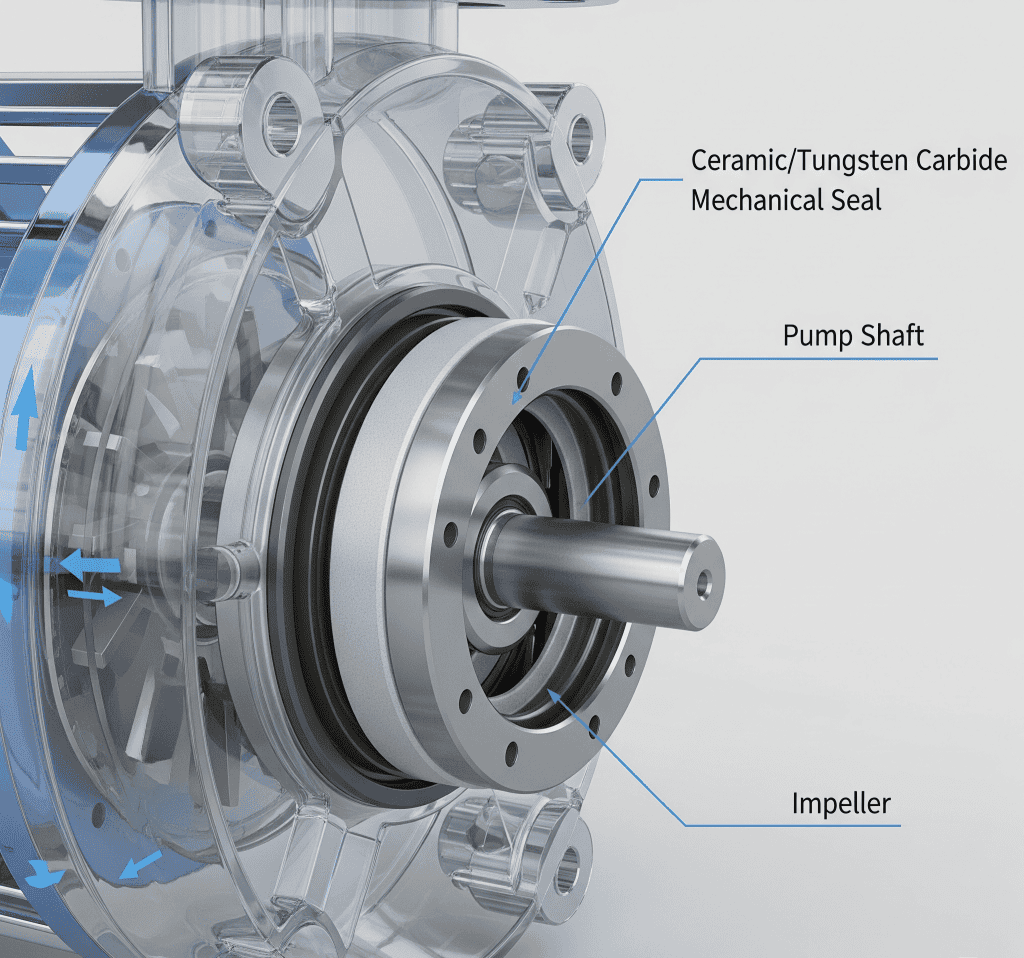
Sand and silt turn even the toughest pump into Swiss cheese over time. These tiny troublemakers sneak in everywhere, grinding away at parts that should’ve lasted years longer. Most folks don’t realize their water’s actually full of microscopic bullies until they’re replacing seals way too early.
Some of the better pumps these days come with seals that might as well be bulletproof. We’re talking ceramic that’s harder than your kitchen knives, or tungsten carbide that laughs at rocks. The real pros go for pumps with double or triple seal setups – like having backup parachutes. Sure, they cost more up front, but beats having to yank out a dead pump every couple years.
Those cheaper pumps with rubber seals? They’re toast the minute anything grittier than tap water runs through them. It’s like watching a sandstorm tear through tissue paper. And once those seals start leaking, the bearing’s next, then the shaft, and before you know it you’re shopping for a whole new setup. Sometimes being cheap ends up being expensive.
The Salt Fight
Nobody who’s dealt with ocean water takes corrosion lightly – it’s a silent killer that never sleeps. Regular steel? Forget about it. Even that shiny chrome-plated stuff turns to rust faster than week-old leftovers. That’s why the smart money’s on marine-grade stainless steel or bronze alloys, the kind that costs a bit more but won’t dissolve like an aspirin tablet.
Some manufacturers try pushing these fancy coated iron pumps for saltwater use. Sure, they look tough at first, but give it six months – those protective layers chip off faster than cheap nail polish. The real deal’s in the metal itself. Grade 316 stainless (that’s the good stuff) handles salt like a champ, while silicon bronze gets even better with age, building up its own protective layer.
Even the nuts and bolts matter here. One steel fastener on a bronze pump’s like having a screen door on a submarine – sooner or later, something’s gonna leak. And those plastic pumps some folks try using? They might dodge the rust bullet, but saltwater’s got this nasty habit of making them brittle as graham crackers after a while.
The Right Pump for the Job
Most folks mess up before they even start – grabbing whatever pump’s on sale without thinking about what they’re pumping. Every setup’s got its perfect match, like a dating service for machinery. Those centrifugal pumps? Real workhorses that’ll move water all day without breaking a sweat, perfect for keeping pools crystal clear or running industrial cooling systems.
Down in the depths, submersible pumps rule the roost. They’re built to live underwater, pushing water up from 200+ feet down if you need them to. Meanwhile, jet pumps are more like sprinters – great for shallow wells and boosting water pressure, but ask them to go deeper than 25 feet and they’ll throw a fit.
Then there’s the specialty crew: diaphragm pumps that don’t mind handling thick, gunky stuff, peristaltic pumps gentle enough for sensitive chemicals, and those new solar-powered units that’ll run forever off the sun.
Fire pumps pack enough punch to shoot water clear across a football field, while little circulation pumps keep hot water moving through homes without making a fuss.
Getting this wrong’s expensive – like buying hiking boots for a swimming competition. Match the pump to the job, and you’ll save yourself a world of headaches down the road.
Powering Up Your Pump
Electric pumps keep most homes happy – plug ’em in and forget about ’em. They hum along day and night, pushing out steady flow without much fuss. A good 240V setup handles most jobs just fine, though some of the bigger ones need three-phase power (the kind that makes electricians charge extra to install).
Those gas engines though, they’re built for places where the power grid’s just a distant rumor. Construction sites, farms, disaster zones – anywhere you need serious water movement without a convenient outlet nearby. Some of these beasts can move 500 gallons per minute, though they sound like a motorcycle gang moved into your yard.
Solar’s getting cheaper every year, and the tech’s finally reliable enough for serious work. A decent array can run a 1-horsepower pump all day long, perfect for irrigation or filling stock tanks. No fuel costs, no noise, no midnight runs to the gas station when the well runs dry. Sure, cloudy days might slow things down a bit, but that’s what storage tanks are for.
Just don’t expect these systems to power your whole farm – they’re still better suited for steady, smaller jobs than major water-moving operations.
Pump Performance and Design Features
The Numbers Game
Most folks get hung up on horsepower, but that’s not the whole story. A pump’s real muscle shows in two ways: how much water it moves and how high it can push it. The pros measure this in gallons per minute (GPM) and feet of head – fancy talk for how high the water goes.
A typical home needs about 10-15 GPM to keep everyone happy, while big irrigation systems might gulp down 100 GPM or more.
Think about head pressure like this – every 2.31 feet up needs about 1 pound of pressure. So that second-floor shower? It needs a pump that can handle at least 20 feet of head, or the water just gives up halfway there. And don’t forget about friction loss – every elbow and long pipe run steals a bit of pressure, like tiny toll booths on a water highway.
The sweet spot where flow meets head on the pump curve (that graph nobody reads in the manual)[2]. Too much pump’s like buying a monster truck for grocery runs – expensive and awkward. Too little? Well, that’s just asking for weak showers and sad sprinklers. The trick’s finding that Goldilocks zone where everything works just right.
The Peace and Quiet Plan
Most folks don’t think about noise until their new pump turns their peaceful home into something between a coffee grinder and a small airport. The good ones keep it down to about 60 decibels – quiet enough to have a normal chat right next to them. Some of these newer models are so quiet you’d swear they weren’t even running.
Beyond noise, cheap pump motors are a hidden cost. A good variable-speed pump, using less power than a few light bulbs, pays for itself in about two years.
Smart timing helps too. Running pumps during off-peak hours (usually after 8 PM) cuts the electric bill even more. And those premium efficiency motors? They’re like having a hybrid car – smooth, quiet, and easy on the monthly bills.
For anyone living close to neighbors, the extra cash for a quieter pump’s cheaper than moving after the neighborhood petition starts circulating.
Built to Last
These days most pumps come looking tough, but it’s the hidden features that separate the warriors from the weaklings. Good pumps pack more protection than a medieval knight – starting with those special coatings that laugh at rust. Not that cheap spray-on stuff either, but real electroplated shields or fusion-bonded epoxy that sticks better than your kid’s gum under the table.
Inside’s where the real magic happens. Those rubber shock mounts might look simple, but they’re saving the pump from beating itself to death. Every time that motor kicks on, it’s like a mini earthquake without them.
The smart designs even throw in extra bearing shields and doubled-up seals, because water’s sneaky – give it an inch of space and it’ll find a way to wreck things.
Then there’s those little extras nobody thinks about until they’re missing. Stainless steel fasteners that won’t turn to dust. Heavy-duty motor housings thick enough to stop a bullet. Even the wiring gets special treatment, wrapped up tight in waterproof jackets that keep moisture out better than a submarine’s hull.
Installation, Maintenance, Brand Reliability, and Lifespan
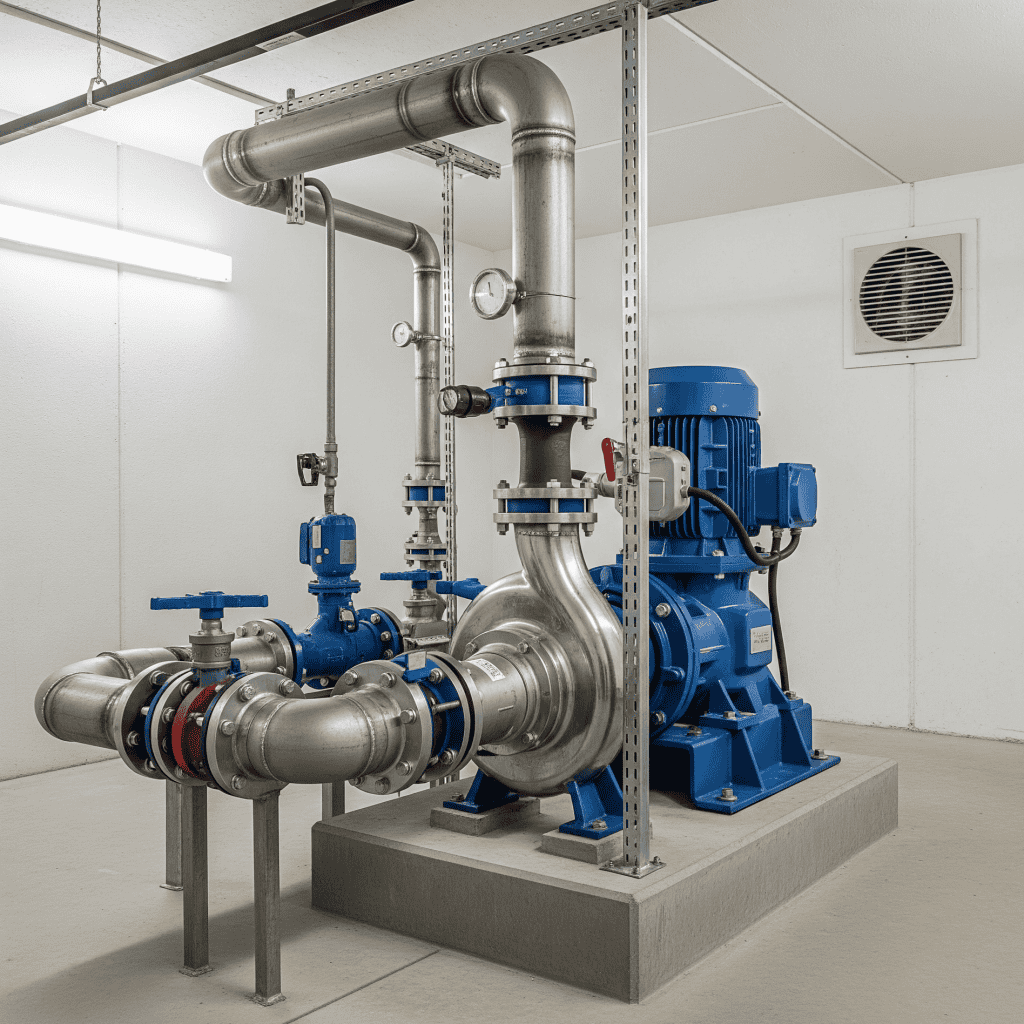
Smart Setup Matters
Nobody wants to crawl through spider webs just to check on their pump. The best spot’s always got good airflow and enough room to swing a wrench without banging knuckles. Think about it like setting up a workspace – you need elbow room and decent light.
Most pump headaches start with sloppy installation, like a crooked picture frame that’s just waiting to fall.
Looking After Your Investment
Some pumps need more babysitting than others. Those fancy all-metal ones might run for years with just basic checkups, while cheaper models want attention every few months. It’s like owning a car – skip the oil changes and you’re asking for trouble.
The smart money’s on pumps that use standard parts you can grab at any supply house, not those special-order pieces that cost more than your first car.
Brand Names That Matter
The pump world’s got its own version of Toyota and Honda – companies that’ve been around longer than most folks’ mortgages. They’re not always the cheapest, but their stuff tends to keep running when the bargain brands give up. Most offer decent warranties too, though reading that fine print’s about as fun as watching paint dry.
The Long Haul
Plastic pumps? They’re like temporary tattoos – here today, gone in a few years. But those solid metal ones, if you treat ’em right, might outlast your teenager’s attitude phase. Fifteen years isn’t unusual for a good stainless or bronze pump that’s been looked after properly.
Some of these old warriors keep pushing water long after their warranty cards turn yellow and crispy.
Frequently Asked Questions (FAQ)
1. What materials make a water pump last the longest?
Stainless steel and bronze pumps typically last the longest because they resist corrosion and handle harsh water conditions well.
2. Is cast iron a good choice for water pumps?
Cast iron pumps are strong and durable, but they require protective coatings to prevent rust. They work best in freshwater applications where salt and chemicals aren’t a concern.
3. How long does a water pump usually last?
Plastic pumps may last about 5 years, while stainless steel or bronze pumps can often run for 10–15 years or more with proper care.
4. Which pump type is best for home use?
Centrifugal pumps are common for continuous water supply, while jet pumps work well for shallow wells (up to 25 feet). Submersible pumps are best for deep wells and underground installations.
5. Can I use a regular pump for saltwater?
No. For saltwater applications, stainless steel or bronze pumps are recommended since iron or plastic will corrode or fail quickly.
6. Are solar water pumps reliable?
Yes. Solar pumps are efficient for off-grid or remote areas, and once installed, they cost very little to run. However, they may not provide as much flow as electric or diesel pumps in high-demand settings.
7. What affects the noise level of a water pump?
Pump design and motor type determine noise. Quieter pumps operate around 60 decibels (similar to a conversation), while noisier ones can exceed 75 decibels.
8. How often should I maintain my water pump?
Most pumps should be inspected every few months, and at least once a year. Pumps with accessible parts and common components are easier and cheaper to maintain.
9. Does brand really matter when buying a water pump?
Yes. Reputable brands often provide better warranties, customer support, and higher-quality construction that translates to longer pump life.
10. What’s the most important factor when choosing a durable water pump?
The key is matching the pump material and type to your water quality, application, and environment, along with proper installation and regular maintenance.
Conclusion
Choosing durable water pumps means balancing material quality, pump type, and application needs. Stainless steel and bronze pumps offer the best corrosion resistance and longevity, while cast iron suits abrasive but less corrosive environments.
Whether you’re an expert or just starting a DIY hydroponics project, matching your pump’s flow rate, head, and power source to your specific use is key to avoiding premature wear.
Match your pump’s flow rate, head, and power source to your specific use to avoid premature wear. Don’t underestimate installation quality and regular maintenance, they’re vital for lasting performance. With these factors in mind, you can select a water pump that keeps your system running smoothly and saves money in the long run.
References
- https://turbolab.tamu.edu/wp-content/uploads/2018/08/Tutorial-05.pdf
- https://www.dabpumps.com/sites/default/files/2017-10/60118741_QUICK%20GUIDE%20FOR%20PUMP%20SELECTION_ENG.pdf
Related Articles
- https://tophydroponicgarden.com/deep-water-culture/
- https://tophydroponicgarden.com/water-pumps/
- https://tophydroponicgarden.com/diy-hydroponics-for-home/
Was this helpful?

I’m Barrie L., a passionate hydroponic gardening enthusiast dedicated to cultivating thriving, soil-less gardens. With a focus on all things hydroponic, I share my expertise on innovative growing techniques and sustainable practices through my blog, tophydroponicgarden.com. As a seasoned hydroponics specialist, my goal is to inspire and guide fellow gardeners in harnessing the power of water-based cultivation for bountiful and eco-friendly harvests. I’m also an author of the book “Hydroponics For Absolute Beginners: Your Step By Step Guide For How To Create An Hydroponics System At Home Without Soil, For Growing Vegetable, Fruit And Herbs.” which is sold on Amazon. Join me on a journey of redefining the way we cultivate plants, one nutrient-rich solution at a time. Happy growing!