

You can definitely grow lavender in a hydroponic system, but you have to give it strong light, lots of oxygen at the roots, and careful watering.
Lavender grows much slower than fast herbs like basil. It loves conditions that copy its original home in the Mediterranean, which means light nutrients and excellent drainage.
Many growers find success with setups like NFT, DWC, drip irrigation, and aeroponics. Still, keeping the roots full of oxygen and avoiding overwatering are your biggest challenges. If you are ready to handle its unique needs, hydroponic lavender will reward you with beautiful, fragrant plants. Want to know how to set up the perfect environment? Keep reading.
Aromatics in Water: Lavender Hydroponics Quick Wins
Growing lavender without soil demands a strict focus on root breathing and bright lighting rather than heavy watering.
- High Challenge Level: Raising hydroponic lavender is completely possible, but it is much more difficult to master than basic crops like lettuce, basil, or mint.
- Air Over Moisture: Success relies on maximizing oxygen at the root zone and providing intense light; traditional water-heavy setups often lead to failure.
- The Blueprint Metrics: Utilizing dry-leaning systems like drip irrigation or aeroponics with a pH of 5.5–6.5 and an EC around 2.0 provides the perfect balance.
Can You Grow Lavender Hydroponically?
Yes. Lavender is not dependent on soil and can grow successfully in hydroponic systems when its roots receive enough oxygen and moisture levels are carefully controlled.
Hydroponics offers several advantages for lavender cultivation. Nutrients can be delivered with greater precision, growing conditions become easier to regulate, and water consumption is often lower than in traditional soil-based gardening.
The plant itself does not need soil. It needs the right balance of water, oxygen, light, and nutrients.
In a controlled growing environment, factors such as temperature, humidity, pH, and nutrient concentration can be adjusted more accurately than in most outdoor gardens. When these conditions remain stable, lavender can develop a healthy root system and produce vigorous growth in hydroponic setups.
Benefits of hydroponic lavender growing include:
- Reduced water consumption
- Precise nutrient management
- Fewer soil-borne diseases
- Year-round production potential
- Cleaner growing conditions
- Easier monitoring of plant health
The challenge is that lavender responds poorly to excess moisture. Unlike many hydroponic crops, it does not tolerate constantly wet root conditions for long periods. Successful growers focus on creating an oxygen-rich root zone rather than keeping roots continuously saturated.
Controlled Indoor Environments Remove Outdoor Variables

Hydroponics works well for lavender because it removes many of the environmental variables that can limit growth outdoors.
Growers gain direct control over:
- Nutrient concentrations
- Water quality
- Root zone conditions
- Temperature fluctuations
- Indoor lighting schedules
This level of control allows growers to create a more predictable growing environment throughout the year. Sudden weather changes, extended rainfall, and poor soil drainage become much less of a concern.
Many indoor growers choose lavender indoor hydroponic systems because consistent conditions make plant management easier. Once the environment is dialed in, maintaining healthy growth becomes more straightforward than dealing with seasonal changes outdoors.
That said, control alone does not guarantee success. Lavender still has specific growing preferences that differ from many common hydroponic crops.
Why Growing Lavender Hydroponically Leads to Mixed Results
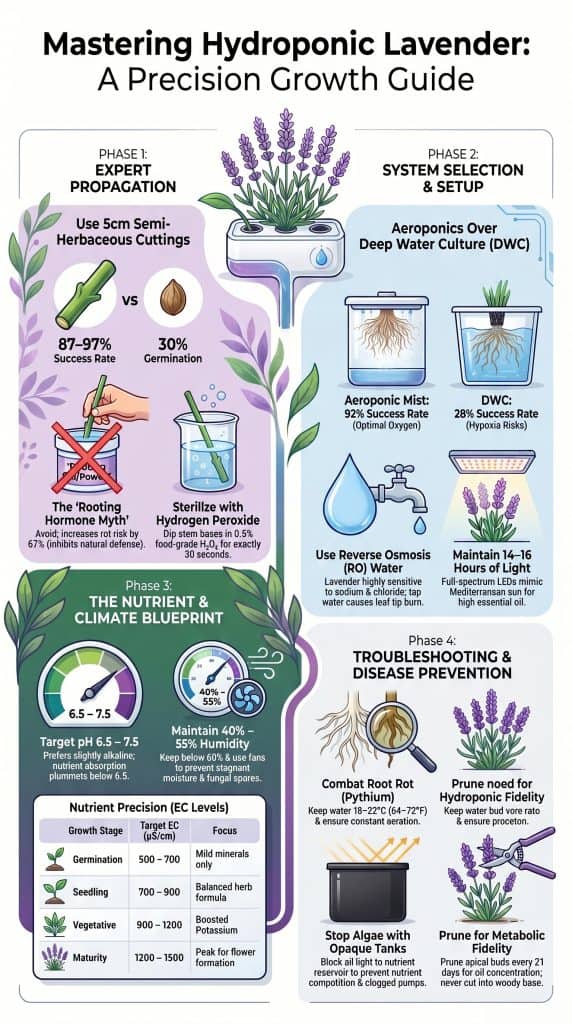
Lavender behaves differently from lettuce, basil, spinach, and many other plants commonly grown in hydroponic systems. The reason comes down to its natural habitat.
Lavender evolved in dry Mediterranean regions where soils drain quickly and roots are exposed to plenty of air. When analyzing the different flowers you can grow, remember that many setups are built around leafy greens that prefer consistently moist conditions, which can create challenges for lavender if adjustments are not made.
Success rates often depend on:
- Root oxygenation
- Air circulation
- Humidity control
- Drainage efficiency
- Patience during establishment
Growers who achieve consistent results typically avoid treating lavender like a fast-growing herb. Instead, they focus on steady development and long-term plant health.
Systems that provide excellent aeration and avoid waterlogged roots tend to perform far better than systems designed for leafy greens.
Lavender Grows Slower Than Most Hydroponic Herbs
Lavender dislikes wet roots, grows relatively slowly, and often shows little visible progress during its early stages.
For new growers, this can be frustrating.
Unlike basil or lettuce, which may produce noticeable growth within days, lavender often spends considerable time developing its root system before significant top growth appears.
This growth pattern frequently leads growers to believe something is wrong when the plant is simply following its normal development cycle.
A common observation among hydroponic growers is that lavender may appear unchanged for weeks before suddenly producing new foliage and stronger growth. The plant is often investing energy below the surface long before those changes become visible above it.
Common Beginner Frustrations
The most frequently reported challenges include:
- Slow establishment
- Poor seed germination
- Delayed root development
- Minimal early foliage growth
- Fear of nutrient deficiencies
Many growers enter hydroponics with experience growing basil, mint, or lettuce. Those plants respond quickly and provide regular visual feedback. Lavender is different.
Growth can appear slow even when conditions are ideal. This slower pace often encourages unnecessary adjustments that create more problems than they solve.
For example, increasing nutrient strength or watering frequency in response to slow growth can place additional stress on a young plant that is already developing normally.
Why Growers Give Up Too Early
Several factors contribute to disappointment:
- Comparing lavender to basil or mint
- Expecting rapid growth
- Overfeeding slow plants
- Overwatering in response to slow development
One of the biggest mistakes is assuming that slow growth indicates failure. In reality, lavender is often establishing roots and adapting to its environment before directing energy toward foliage production.
Many experienced growers describe lavender as a long-term crop rather than a quick-harvest herb. The plants may require more patience during the first stages of growth, but mature lavender can remain productive for years when properly maintained.
Patience often becomes the most valuable cultivation tool. Growers who resist the urge to constantly adjust nutrients, lighting, or watering schedules are usually rewarded with healthier plants and more reliable long-term results.
Why Does Lavender Fail in Hydroponic Setups?
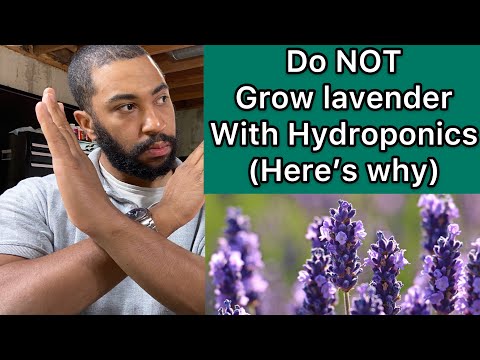
Credits : Joshua Rudd
Most hydroponic lavender failures begin below the surface. While growers often focus on nutrients, pH levels, or lighting schedules, root-zone conditions are usually the deciding factor.
Healthy roots allow lavender to absorb water, nutrients, and oxygen efficiently. When root health declines, the effects quickly spread throughout the plant. Growth slows, foliage loses vigor, and recovery can become difficult if the underlying issue is not addressed.
Unlike many leafy hydroponic crops, lavender has little tolerance for constantly wet conditions. Its roots prefer a balance of moisture and air, and problems often appear when that balance shifts too far toward saturation.
Most Common Failure Causes
The most frequent causes of failure include:
- Root rot
- Poor oxygenation
- Stagnant nutrient reservoirs
- Excessive moisture retention
- Weak lighting
- High humidity
- Inadequate airflow
These factors often work together rather than independently. For example, poor airflow can increase humidity, which slows evaporation and keeps the growing environment wetter than lavender prefers.
Research on hydroponic disease management has shown that low-oxygen root zones create favorable conditions for pathogens such as Pythium, one of the most common causes of root rot in hydroponic systems.
According to a comprehensive study on root epidemiology.
“Effects on root rot epidemics of host factors… the root environment (rooting media, concentrations of dissolved oxygen and phenolic substances in the nutrient solution, microbial communities and temperature) and human interferences […] play a critical role in the predisposition of roots to Pythium attack.” –Sutton et al., SciELO.
In many cases, the nutrient formula is not the problem. The roots simply cannot function properly because environmental conditions are limiting their ability to absorb what is already available.
Warning Signs
Watch for these symptoms:
- Yellowing leaves
- Brown root tissue
- Slowed growth
- Wilting despite adequate water
- Stem decline
Early detection matters. Root problems are usually easier to correct during the first stages than after extensive damage has occurred.
Many growers respond to yellow leaves by adding more nutrients. Unfortunately, this often makes little difference if oxygen deprivation is the real issue. The plant cannot effectively use additional nutrients when the root system is under stress.
Most successful corrective actions focus on improving environmental conditions rather than increasing fertilizer concentrations.
Strong root health usually restores growth more effectively than stronger feeding programs.
Continuous Root Oxygenation Beats Fancy Nutrient Formulas
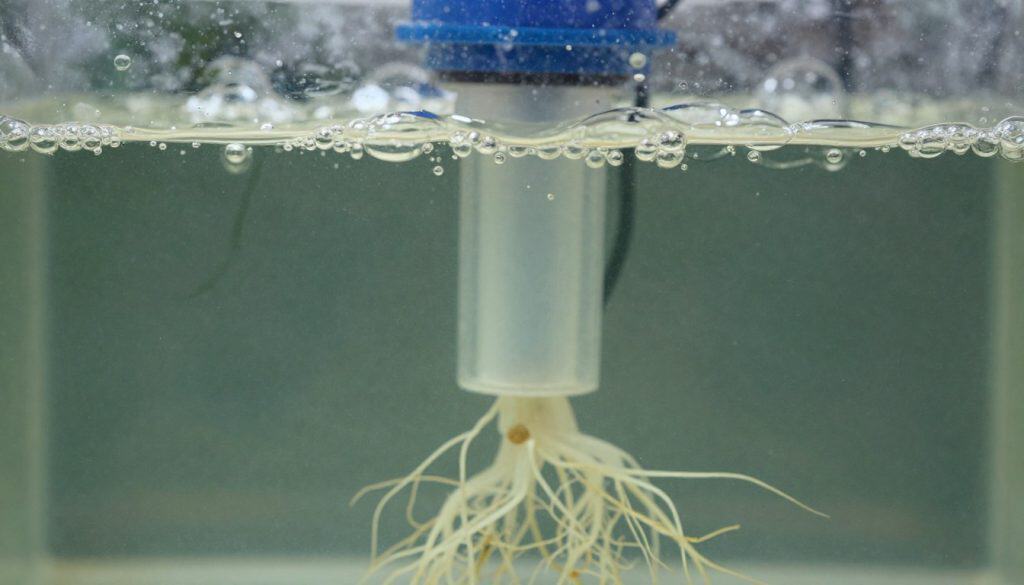
Root oxygenation has a greater impact on hydroponic lavender success than complex nutrient schedules.
Lavender roots require a continuous supply of oxygen. Without it, nutrient uptake slows, root growth weakens, and disease pressure increases.
Even a perfectly balanced nutrient solution cannot compensate for poor aeration.
Many hydroponic grow logs and cultivation reports show a consistent pattern: healthy lavender plants are usually associated with strong root-zone oxygenation and stable growing conditions rather than aggressive feeding strategies.
In practical terms, growers often see greater improvement from increasing aeration than from adjusting nutrient formulas.
What Healthy Roots Need
Healthy roots depend on:
- Continuous oxygen availability
- Stable moisture levels
- Clean nutrient reservoirs
- Strong water circulation
These factors create an environment where roots can remain active without becoming waterlogged.
Consistency is particularly important. Frequent swings in temperature, oxygen levels, or reservoir conditions can stress roots even when average conditions appear acceptable.
Common Oxygenation Solutions
Popular oxygenation methods include:
- Air stones
- Reservoir aerators
- Waterfall returns
- Aerated nutrient tanks
- Fast-draining media
Each of these approaches helps increase dissolved oxygen while reducing the risk of stagnant areas within the system.
Fast-draining growing media can be especially useful for lavender because they provide moisture while still allowing air to reach the root zone.
Together, these methods help create the oxygen-rich conditions that lavender naturally prefers.
When Root Rot Starts
Root rot commonly develops under these conditions:
- Warm nutrient solution
- Poor circulation
- Low dissolved oxygen
- Excessive water retention
The disease often begins gradually. Roots may first lose their bright white appearance before turning tan or brown. As damage progresses, nutrient uptake declines and above-ground symptoms become more visible.
The most effective prevention strategy remains surprisingly simple: maintain strong aeration, good circulation, and proper drainage.
Preventing root stress is usually easier than trying to reverse root rot once it becomes established.
Which Hydroponic System Gives Lavender the Best Chance?
Hydroponic systems that prioritize drainage and root aeration generally produce the most reliable lavender results.
Not all hydroponic designs are equally suited to the plant’s natural growing habits. Systems developed for water-loving leafy greens may require additional adjustments to accommodate lavender.
| System Type | Suitability | Main Advantage | Main Risk |
| Drip System | High | Excellent moisture control | Emitter clogging |
| Aeroponics | High | Maximum root oxygen | Complexity |
| Media Bed | High | Strong drainage | Media maintenance |
| NFT | Moderate | Efficient nutrient flow | Root blockage |
| DWC | Moderate | Simple setup | Heavy oxygen dependence |
Each system has strengths and trade-offs, but the common theme among successful designs is root access to both moisture and air.
What Experienced Growers Prefer
Successful growers often prioritize:
- Strong aeration
- Effective drainage
- Stable moisture levels
- Root access to air
Drip systems and aeroponic setups naturally support these conditions, which is one reason they are frequently recommended for hydroponic lavender cultivation.
Media beds can also perform well because they allow roots to access moisture while maintaining air pockets throughout the growing medium.
Water-heavy systems such as Deep Water Culture (DWC) can produce healthy lavender, but they demand closer attention to dissolved oxygen levels. If aeration equipment fails or oxygen levels drop, root problems can develop quickly, showing why sensitive crops are often considered not suitable for dwc growing without constant monitoring.
For most growers, the best hydroponic system is not necessarily the most advanced. It is the system that consistently keeps roots oxygenated, avoids prolonged saturation, and provides stable conditions over time. Lavender rewards that consistency far more than complicated equipment or aggressive nutrient schedules.
What pH, EC, and Temperature Does Hydroponic Lavender Prefer?
Lavender grows best when environmental conditions remain stable over time. While monitoring pH, EC, and temperature is important, chasing perfect numbers often creates more problems than it solves.
Most hydroponic references suggest the following target ranges:
| Factor | Common Range |
| pH | 5.5–6.5 |
| EC | Around 2.0 |
| Temperature | 60–70°F (15–21°C) |
| Humidity | Low to Moderate |
These values provide a useful starting point for managing a lavender nutrient solution. They are not strict rules, however. Slight variations within these ranges are usually less important than maintaining consistency from week to week.
Lavender generally responds poorly to frequent environmental swings. Sudden changes in pH, nutrient concentration, or temperature can stress the plant even when the new settings fall within an acceptable range.
What Matters More Than Exact Numbers
Many growers spend too much time adjusting meters and not enough time observing the plants themselves.
More important factors include:
- Consistency
- Root health
- Airflow
- Reservoir cleanliness
- Stable lighting
A slightly imperfect but stable environment often produces stronger plants than a constantly changing environment with ideal readings.
Healthy roots, clean water, and adequate light usually contribute more to long-term success than small adjustments to EC or pH levels.
When troubleshooting problems, it is often worth examining environmental conditions first before making major changes to the nutrient solution.
Seeds vs Cuttings: What Actually Works Better?
Both propagation methods can work, but lavender cuttings generally produce better results in hydroponic systems.
The reason is simple. Cuttings begin with mature plant genetics and skip the slow, unpredictable germination stage.
| Propagation Method | Time to Root / Establish | Initial Cost & Sourcing | Growth Predictability |
| Seeds | Very Slow (Weeks just to germinate, high risk of early damp-off) | Low Cost (Cheap to buy in bulk, no parent plant needed) | Unpredictable (High genetic variation, uneven growth rates) |
| Cuttings | Fast (Develops roots in 2 weeks, skips seedling phase entirely) | Higher Effort (Requires access to a healthy, mature mother plant) | Highly Predictable (Identical genetic clones, uniform growth) |
For growers interested in reliable results, cuttings often provide a smoother path from propagation to harvest.
Why Many Growers Prefer Cuttings
Cuttings offer several benefits:
- Faster rooting
- Predictable growth
- Earlier flowering
- Less startup frustration
A rooted cutting already has a developmental head start compared to a seedling. Once established, it typically adapts to hydroponic conditions more quickly and begins producing new growth sooner.
This is one reason many commercial herb growers start with cloned plants rather than seed-grown stock. Consistency matters when production schedules and plant uniformity are important.
When Seeds Make Sense
Seed propagation remains useful for:
- Rare varieties
- Breeding projects
- Large production runs
- Experimental growing
Growing from seed can also be rewarding for hobbyists who enjoy observing the full life cycle of the plant.
The trade-off is patience. Lavender seeds often germinate slowly and may take considerably longer to reach a productive stage.
For most home growers, rooting lavender cuttings hydroponically provides a faster and more predictable experience.
Hydroponic Lavender Plants Always Demand Full Sun Intensity
Yes. Lavender remains a high-light plant regardless of whether it grows in soil or hydroponics.
Hydroponics can improve nutrient delivery and root management, but it cannot replace adequate light.
Without strong lighting, lavender often becomes weak, stretched, and less productive.
Indoor Lighting Guidelines
Recommended practices include:
- Full-spectrum LED fixtures
- Consistent daily schedules
- High light intensity
- Proper fixture positioning
Many indoor growers use lavender LED grow lights to recreate the intensity and duration of natural sunlight.
Providing sufficient light becomes even more important when growing indoors year-round, where natural seasonal changes are limited.
Signs of Insufficient Light
Watch for:
- Leggy stems
- Weak branching
- Reduced flowering
- Pale foliage
- Slow growth
Light influences more than appearance. It also affects essential oil production, fragrance intensity, and overall plant structure.
A lavender plant receiving strong light typically develops a denser shape and produces more aromatic growth than one grown under weak lighting conditions.
When Does a Lower pH Help, and When Does It Not?
Stable pH supports nutrient uptake and healthy root development, but it should not be viewed as a solution to every growing problem.
Research on hydroponic disease management suggests that slightly lower pH environments may reduce pressure from certain root pathogens under specific conditions. Even so, pH management is only one piece of the larger picture.
According to data published in the MDPI Agronomy journal
“The optimal pH in the root zone of most crops grown hydroponically ranges from 5.5 to 6.5, although values as low as 4.0 have been proposed for preventing the incidence of infections from Pythium and Phytophthora spp.” –Agronomy.MDPI
Benefits of Stable pH
Maintaining proper pH can help:
- Improve nutrient availability
- Reduce plant stress
- Support root development
- Promote healthy growth
When pH remains within an appropriate range, plants can access nutrients more efficiently and maintain steady growth.
What pH Cannot Fix
pH adjustments cannot correct:
- Poor aeration
- Overwatering
- Weak lighting
- High humidity
- Inadequate drainage
Many growers spend hours adjusting pH while overlooking environmental issues that have a much greater effect on plant health.
If roots lack oxygen or lighting is insufficient, perfect pH readings are unlikely to solve the problem. Environmental control remains the foundation of successful hydroponic lavender cultivation.
Is Hydroponic Lavender Worth Growing?
For the right grower, yes. Hydroponic lavender can be highly rewarding, particularly for growers interested in specialty herbs, indoor gardening, or long-term plant production. The crop offers unique characteristics that make the additional effort worthwhile.
Hydroponic Lavender Is Best For
- Specialty herb farms
- Essential oil research
- Ornamental growing
- Indoor gardening enthusiasts
- Aromatic hydroponic herb gardening setups
When environmental conditions are well managed, hydroponic systems can support reliable year-round production and consistent plant quality.
Lavender’s fragrance, appearance, and versatility make it one of the most rewarding ornamental flowers can you grow with hydroponics for both personal and commercial cultivation.
It May Not Be Ideal For
- New hydroponic gardeners
- Fast-turnover production
- Low-maintenance systems
- Growers seeking quick harvests
Unlike lettuce, basil, or leafy greens, lavender rarely rewards impatience.
Growth can be slow during establishment, and the plant often requires more attention to drainage, airflow, and root health than beginner-friendly crops.
For growers looking for rapid harvest cycles, other herbs may provide a quicker return.
For growers willing to invest time and patience, lavender offers something different. It is less about speed and more about cultivating a durable, aromatic plant that can remain productive for years under the right conditions.
The growers who enjoy hydroponic lavender most are usually those who appreciate the process as much as the harvest itself.
FAQ
How do I prune mature lavender plants grown inside a lavender indoor hydroponic system?
For proper hydroponic lavender care, you should prune your plants immediately after the hydroponic lavender flowering stage ends.
Use sharp, sanitized shears to cut back the top third of the green foliage while shaping the plant into a neat mound. You must avoid cutting directly into the old, woody stem base because doing so permanently stops new growth.
What is the best hydroponic medium for lavender to prevent stem rot at the base?
When building your lavender hydroponic setup, you should choose porous aggregates that do not retain excess water around the plant crown.
A combination of loose clay pebbles and coarse perlite works perfectly for this specific hydroponic style. You must avoid using fine coco coir lavender hydroponics substrates alone because they hold moisture too close to the stem base.
How do I successfully manage the transition when I transplant lavender hydroponic system cuttings?
For reliable lavender propagation hydroponically, you must ensure that your rooting lavender cuttings hydroponically have developed at least two inches of strong roots before moving them.
Gently nestle the root zone into your chosen hydroponic medium for lavender. You should then run your nutrient solution at half-strength for seven days to prevent chemical shock.
What specific water quality requirements should I maintain for stable lavender growth in water?
Your lavender reservoir system hydroponics setup requires clean, filtered water with a total dissolved solids count below one hundred parts per million.
Hard tap water disrupts your target lavender EC levels hydroponic mixes and blocks nutrient uptake. Always use reverse osmosis or distilled water before mixing your hydroponic fertilizer for lavender to ensure optimal root health.
Why are the lower leaves of my indoor herb hydroponic garden lavender turning crisp and curling downward?
This reaction indicates severe lavender stress in hydroponics caused by poor humidity control within indoor environments where moisture levels drop below thirty percent.
When the air is too dry, leaves lose water faster than the root zone can supply it. You can fix this issue by placing a dedicated humidifier near your indoor herb hydroponic garden setup.
Growing Lavender Hydroponically Is Possible With the Right Conditions
Many growers struggle with hydroponic lavender because they focus too much on nutrients while overlooking the factors that matter most. Poor root oxygenation, inconsistent lighting, and unstable growing conditions can slow growth and reduce plant health. That’s where most problems begin.
The good news is that lavender can grow successfully in a hydroponic system when its natural preferences are respected. By maintaining strong lighting, healthy root aeration, proper pH levels, and a stable environment, you can enjoy steady growth and fragrant harvests over time.
For more practical hydroponic growing guides and expert tips, Tophydroponicgarden offers resources to help you grow lavender and other plants with greater confidence.
Reference
- https://doi.org/10.1590/S0100-54052006000400001
- https://www.mdpi.com/2073-4395/11/6/1118
Related Article
- https://tophydroponicgarden.com/what-plants-are-not-suitable-for-dwc-growing/
- https://tophydroponicgarden.com/what-flowers-can-you-grow-with-hydroponics/
- https://tophydroponicgarden.com/guide-to-hydroponic-herb-gardening/
Was this helpful?

I’m Barrie L., a passionate hydroponic gardening enthusiast dedicated to cultivating thriving, soil-less gardens. With a focus on all things hydroponic, I share my expertise on innovative growing techniques and sustainable practices through my blog, tophydroponicgarden.com. As a seasoned hydroponics specialist, my goal is to inspire and guide fellow gardeners in harnessing the power of water-based cultivation for bountiful and eco-friendly harvests. I’m also an author of the book “Hydroponics For Absolute Beginners: Your Step By Step Guide For How To Create An Hydroponics System At Home Without Soil, For Growing Vegetable, Fruit And Herbs.” which is sold on Amazon. Join me on a journey of redefining the way we cultivate plants, one nutrient-rich solution at a time. Happy growing!