

Yes, tap water can cause problems. The EPA regulates it, but things like old pipes, chemical treatment, and local contaminants still affect quality. In 2024, new rules set the first national limits on several PFAS “forever chemicals.”
These substances can even harm houseplants by damaging their cellular structure and blocking light absorption.
Minerals and chlorine in water can also impact appliances. Knowing what’s in your water helps you choose the right filter or decide to test it. To see which issues matter most and how to reduce the risks, keep reading.
Tap Water at a Glance: What You Need to Know
- Most tap water is treated for safety, but contaminants, pipe corrosion, and local conditions can still create problems.
- Water quality concerns include PFAS, lead, chlorine byproducts, heavy metals, and biological contamination.
- Tap water can also affect plants through chlorine, chloramine, hard water minerals, and salt accumulation.
Quick Facts About Tap Water Risks
Most tap water is safe for everyday use, but contaminant levels, infrastructure conditions, and treatment methods can influence quality.
- Public water systems must comply with federal drinking water standards.
- The EPA finalized standards for six PFAS compounds in drinking water during 2024.
- Public discussions across Reddit, X, YouTube, and Quora frequently reference concerns about 270 contaminants reported in some water quality databases.
- For human health: PFAS, lead, nitrates. For plants: chlorine, chloramine, hard water minerals, and fluoride.
- Aging pipes can introduce lead and copper into otherwise treated water.
- Water quality varies significantly between cities and regions.
- Houseplants may show symptoms such as brown leaf tips, yellowing leaves, and mineral deposits when exposed to unsuitable tap water.
These concerns explain why many homeowners review annual water reports and install targeted filtration systems.
Contaminated Tap Water Can Cause a Variety of Problems
We need to separate human medical pathology from botanical stress. While public health alerts focus heavily on the systemic human risks of lead exposure, nitrate toxicity in infants, or microbial contamination, our plants are reacting to entirely different chemical triggers.
A level of chlorine or fluoride that is completely safe and certified for you to drink can cause an immediate osmotic crisis for an indoor plant, destroying its root hairs and leading to localized tissue death.
Common Contaminants and Their Potential Effects
| Contaminant Type | Common Source | Potential Problems |
| Biological germs | Untreated water, sewage | Gastrointestinal illness, infections |
| Heavy metals | Corroded pipes | Neurological, kidney, and cardiovascular concerns |
| PFAS | Industrial pollution | Potential cancer and fertility concerns |
| Chlorine byproducts | Water treatment | Skin irritation and possible long-term risks |
| Nitrates | Agricultural runoff | Infant health concerns |
| Microplastics | Environmental contamination | Ongoing health research |
| Lead | Older plumbing systems | Developmental and neurological effects |
| Arsenic | Natural deposits, pollution | Chronic health risks |
Lead, PFAS, and microbial contamination often receive the most attention because they can affect large populations.
According to the EPA
”Drinking water regulations continue evolving as new research identifies emerging contaminants and health impacts. Recent PFAS regulations established enforceable limits for several compounds measured in parts per trillion.” – EPA
Common health concerns include:
- Digestive illness
- Neurological effects
- Kidney problems
- Reproductive concerns
- Increased cancer risk
- Thyroid disruption
The severity depends on contaminant concentration, exposure duration, and individual susceptibility.
Tap Water Is Not Always Safe to Drink

No. Water quality varies based on treatment methods, infrastructure, contamination events, and regulatory compliance.
Public water systems undergo extensive treatment and monitoring. However, treated water still travels through miles of pipes before reaching homes. Older infrastructure can introduce contaminants that were not present when the water left the treatment facility.
Why Safety Levels Can Differ
- Water source quality
- Aging pipes and plumbing
- Industrial contamination
- Agricultural runoff
- Local contamination incidents
- Monitoring and reporting schedules
Some communities face unique challenges related to groundwater contamination, industrial activity, or older water infrastructure. This is why testing remains valuable even when municipal water meets regulatory standards.
Some People Distrust Tap Water Due to Safety and Quality Concerns
Concerns often center on lead, PFAS, aging infrastructure, and the belief that current standards do not address every contaminant.
Online discussions consistently reveal several recurring concerns.
Common Concerns Found in Online Discussions
- Lead exposure from aging pipes
- PFAS contamination
- Chlorine byproducts
- Water taste and odor changes
- Transparency of testing results
- Regulatory standards viewed as outdated
- Long-term exposure concerns
According to EWG Tap Water Database
“Frequently referenced by consumers seeking additional information beyond municipal reports. Many users compare local findings against federal standards and independent assessments.” – EWG Tap Water Database
Public discussions also reference examples where local water systems reportedly contained 30+ contaminants, although contaminant presence does not automatically indicate unsafe concentrations. Risk depends on measured levels and exposure duration.
Many consumers want greater transparency, faster reporting, and more frequent testing. This demand has increased as PFAS research and infrastructure concerns receive greater media attention.
Local Water Quality Reports Reveal What Is in Your Tap Water
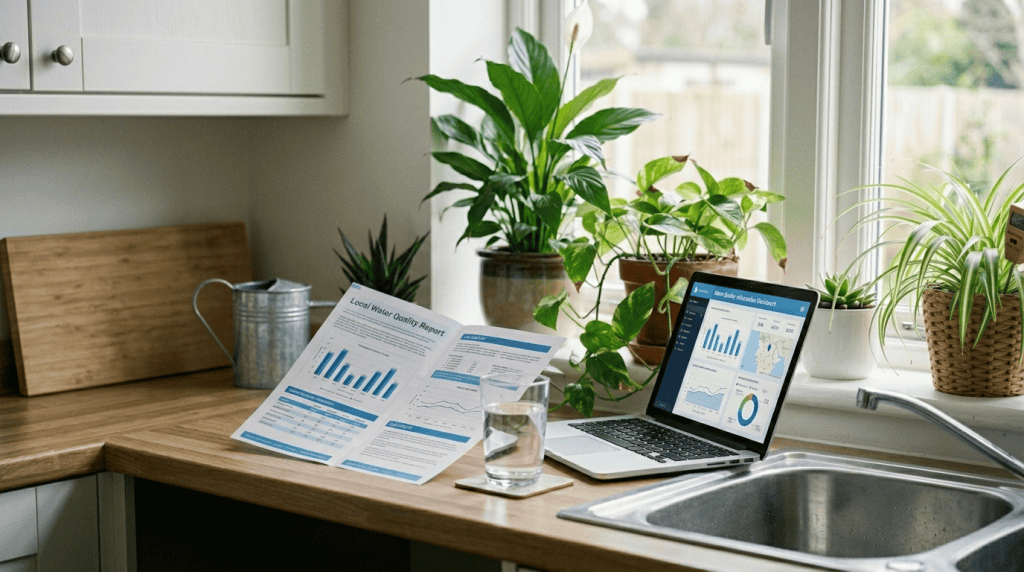
Review local water reports, test your water, and compare findings with current health and safety guidelines.
The most reliable approach combines official reporting with independent testing when necessary.
Steps to Check Local Water Quality
- Review your annual Consumer Confidence Report (CCR).
- Check local water utility advisories.
- Use certified laboratory testing kits.
- Compare results with EPA standards.
- Monitor unusual changes in taste, smell, or color.
- Investigate plumbing age and materials.
The EPA requires community water systems to provide annual CCR reports by July 1 each year. These reports identify detected contaminants, water sources, and compliance information.
For additional verification, many consumers consult the EWG Tap Water Database and independent laboratory testing services.
Monitoring water quality over time provides a clearer picture than relying on a single test result.
Water Filters Can Help Solve Many Tap Water Problems
Filters can reduce specific contaminants, but effectiveness depends on the filtration technology and the contaminants present.
Different filtration systems target different problems. No single filter addresses every contaminant equally well.
Comparing Popular Water Filtration Methods
| Filter Type | Best For | Limitations |
| Activated Carbon | Chlorine, taste, odor | Limited heavy metal removal |
| Reverse Osmosis (RO) | PFAS, nitrates, metals | Wastewater production and maintenance |
| Whole House Systems | Broad household treatment | Higher installation cost |
| Shower Filters | Chlorine reduction | Limited contaminant range |
| Ion Exchange | Water softening | Does not remove all contaminants |
NSF-certified products provide verification that a filter has been tested for specific contaminant reduction claims.
Reverse osmosis systems are still one of the best ways to strip PFAS, nitrates, and a lot of other junk from your water. The catch is they need upkeep, you have to replace the membrane every so often, and that’s a chore.
Don’t just buy a filter because it sounds good. First, figure out what’s actually in your water. A basic carbon filter will make your water taste better and smell cleaner, but it won’t do much against things like lead or chromium. On the other hand, installing a full RO system is overkill if chlorine is your only real issue.
Start with a water test. Then pick the technology that actually fixes what you found.
Tap Water Can Affect Plants and Hydroponic Systems
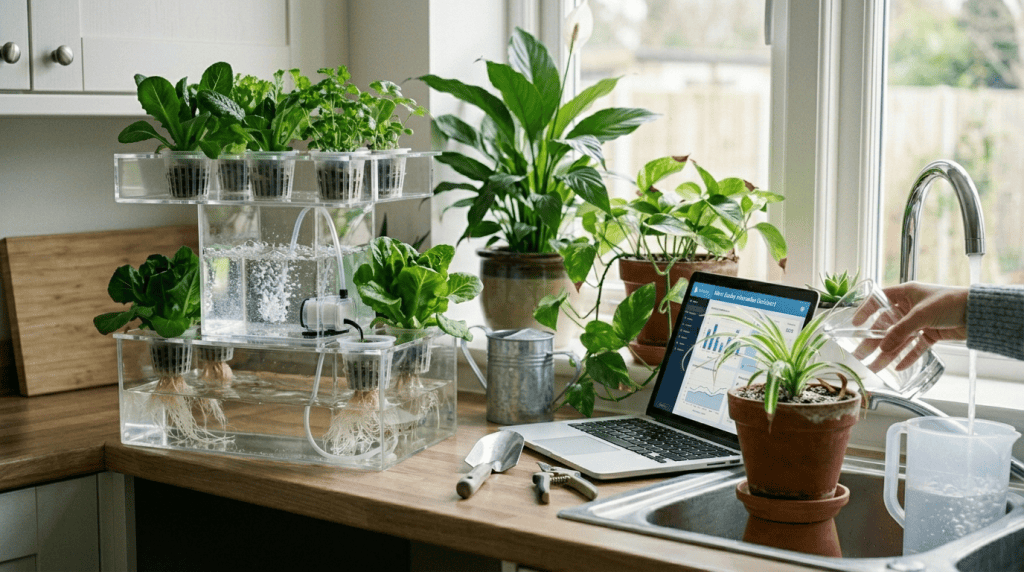
Yes. Chlorine, chloramine, dissolved minerals, and unstable pH levels can affect nutrient uptake and plant performance.
Many houseplant owners assume all tap water is equally suitable for plants. In reality, water chemistry plays a major role in plant health.
Chlorine in tap water may cause stress in sensitive plant species. While chlorine often dissipates when water sits for several hours, chloramine plant effects can persist because chloramine is more stable.
Common plant symptoms include:
- Brown leaf tips tap water issues
- Yellow leaves from tap water
- Leaves curling due to poor water quality
- Stunted growth
- White crust on soil surface
- Hard water residue on pots
Hard water introduces excess calcium and magnesium, which can gradually alter soil pH and cause nutrient lockout. High dissolved solids can contribute to tap water nutrient lockout and root stress.
Sensitive indoor plants include:
- Spider Plant (brown tips)
- Dracaena (fluoride sensitivity)
- Peace Lily
- Calathea
- Prayer Plant
- Orchids
- Carnivorous plants
- Carnivorous plants (sensitive to minerals/pH, not just tap water chemicals)
Many growers use rainwater for houseplants, reverse osmosis water plants, or filtered water to reduce mineral accumulation.
Water Issues That Impact Hydroponic Growth
- Chlorine and chloramine
- High TDS water plants
- Hard water plant problems
- Alkaline water plant issues
- Mineral buildup in soil
- Nutrient lockout
Water quality directly influences root health, nutrient absorption, and long-term plant growth.
Several Warning Signs Can Reveal Tap Water Quality Issues
Changes in color, taste, odor, or residue buildup can indicate water quality issues.
Water problems often reveal themselves through visible or noticeable symptoms.
Warning Signs to Watch For
- Metallic taste
- Rotten egg smell
- Cloudy appearance
- Brown discoloration
- Yellow water
- White mineral deposits
- Excessive scale buildup
- Sudden taste changes
Certain symptoms may suggest specific issues.
- Lead concerns may arise in homes with older plumbing.
- Copper can contribute to metallic tastes.
- Sulfur compounds may produce rotten egg odors.
- Hard water often leaves visible white residue.
These warning signs do not confirm contamination, but they indicate that testing may be worthwhile.
Certain Situations May Require Tap Water Testing or Filtration
Credits: HowToHydroponics
Testing is recommended after moving, plumbing updates, contamination notices, or when water quality noticeably changes.
Routine testing helps identify problems before they become significant.
Situations That Warrant Testing
- Older homes with aging pipes
- Private wells
- Pregnancy
- Young children in the household
- Hydroponic growing systems
- Water taste changes
- Odor changes
- Major plumbing work
The CDC and water quality professionals encourage attention to local advisories and vulnerable populations. Testing every 6 to 12 months is common for private wells and specialized growing systems, although frequency varies by circumstance.
Regular monitoring provides valuable baseline data and helps identify emerging issues early.
Tap Water Problems: Key Takeaways for Safer Drinking and Growing
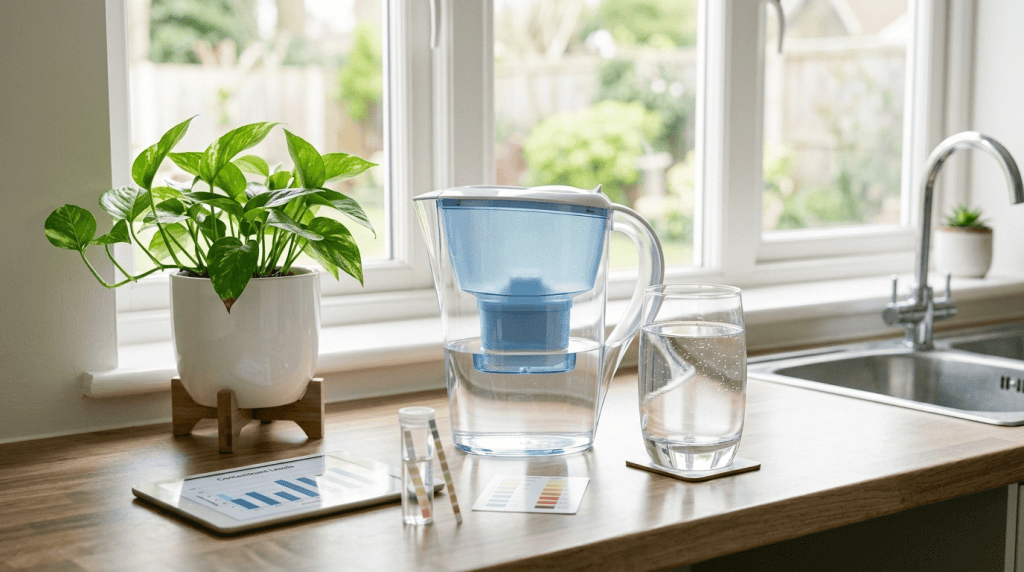
Local testing, targeted filtration, and routine monitoring are the most effective ways to identify and reduce tap water risks.
Action Steps
- Check annual Consumer Confidence Reports
- Review local advisories
- Test water regularly
- Match filters to identified contaminants
- Monitor water quality changes
- Evaluate water sources for houseplants and hydroponics
- Flush soil to remove salts and mineral buildup
- Flush soil periodically with distilled/rainwater to remove salt buildup, but avoid over-flushing which can strip beneficial nutrients
- Consider filtered, RO, or rainwater for sensitive plants
Whether the concern involves drinking water, houseplants, or hydroponic systems, understanding water chemistry is the first step toward better outcomes. Sources such as Tophydroponicgarden, EPA reports, and local testing data can help guide decisions.
FAQ
Can using tap water cause problems for every houseplant?
Not every plant will have a problem, but some are far more sensitive. It comes down to the type of plant and what’s in your local water.
Think of fussy plants like Calatheas or classic Peace Lilies as your early warning system. They don’t just get generally unwell.
They show specific, ugly damage: severe browning right at the very edges of their leaves, with a telltale yellow line between the dead part and the healthy green. This happens because salts and chemicals from tap water travel to the leaf tips and build up there. Watching these plants can alert you to a water issue.
How can I tell if tap water is causing brown leaf tips?
Look for a pattern. The browning almost always starts at the very edge of the leaf and creeps inward. The usual suspects are chlorine, fluoride, and a high level of dissolved minerals (hard water).
If brand new leaves are developing brown edges even though you’re caring for the plant correctly, your water is a likely cause.
Why do white deposits appear on soil and plant pots?
That chalky, white crust is just minerals left behind after the water evaporates. In places with hard water, it’s often calcium or magnesium. Over time, this buildup can form a hard layer on the soil surface and may start to interfere with how the roots work.
Can poor water quality affect nutrient absorption and root health?
Yes. Poor quality water can cause two main issues for roots. First, a high concentration of dissolved solids can change the soil’s chemistry, locking away nutrients so the plant can’t use them. Second, the salts themselves can stress the roots directly.
This leads to poor growth, pale leaves, and a weaker plant overall.
What is the best alternative if tap water affects my plants?
If your tap water contains chlorine or a moderate amount of minerals, a simple fix is to let it sit in an open container overnight, or run it through a basic pitcher filter. For plants that really hate fluoride, like certain ferns and orchids, collected rainwater is often the perfect, soft solution.
When you’re dealing with the most finicky plants, or if your local water is extremely hard, the most reliable options are distilled water or water from a reverse osmosis system.
And if you’ve been watering with tap water for months or years, give the soil a good, deep soak now and then, allowing plenty of water to drain out the bottom, this helps wash away salts that have built up over time.
Final Thoughts on Tap Water and Plant Health
If your plants are consistently stressed and you’ve ruled out the usual suspects, take a look at your water. It’s a surprisingly common culprit.
The water from your tap might be perfectly safe to drink, but it can still contain minerals, chlorine, or other additives that plants simply don’t like. Over weeks and months, these can alter your soil and hinder growth.
You don’t need to wonder. A basic water test for pH and hardness is cheap and easy. Knowing what’s in your water lets you make a smart fix, whether that’s filtering it, collecting rainwater, or changing your watering routine. For more hands-on advice about water and plant care, some gardeners find sites like Tophydroponicgarden a practical place to start.
References
- https://www.epa.gov/sdwa/and-polyfluoroalkyl-substances-pfas
- https://www.ewg.org/tapwater/water-filter-guide.php
Related Articles
- https://tophydroponicgarden.com/how-to-properly-test-your-source-water/
- https://tophydroponicgarden.com/how-to-filter-tap-water-for-hydroponics/
- https://tophydroponicgarden.com/can-you-use-filtered-tap-water-hydroponics/
Was this helpful?

I’m Barrie L., a passionate hydroponic gardening enthusiast dedicated to cultivating thriving, soil-less gardens. With a focus on all things hydroponic, I share my expertise on innovative growing techniques and sustainable practices through my blog, tophydroponicgarden.com. As a seasoned hydroponics specialist, my goal is to inspire and guide fellow gardeners in harnessing the power of water-based cultivation for bountiful and eco-friendly harvests. I’m also an author of the book “Hydroponics For Absolute Beginners: Your Step By Step Guide For How To Create An Hydroponics System At Home Without Soil, For Growing Vegetable, Fruit And Herbs.” which is sold on Amazon. Join me on a journey of redefining the way we cultivate plants, one nutrient-rich solution at a time. Happy growing!