

The best strawberry varieties for hydroponics are day-neutral types like Albion, Seascape, San Andreas, and Monterey. They fruit continuously, resist diseases well, and offer solid yields when grown indoors with controlled light and nutrients.
Whether you use NFT, DWC, vertical towers, or aeroponics, choosing the right variety often matters more than the system itself. These cultivars thrive under LED grow lights and keep your harvest going all season long. Want to find the perfect strawberry for your hydroponic setup? Keep reading.
Quick Grows Hydroponic Strawberry Selection Made Simple
Stick with day-neutral varieties like Albion or Monterey, nail your nutrients and lighting, and you’ll be harvesting strawberries year-round.
- Day-neutral strawberries outperform June-bearing ones in hydroponic systems they just keep producing instead of stopping after one season.
- Albion, Seascape, Monterey, and San Andreas are the workhorses. Home growers and commercial operations alike trust these varieties.
- How you manage nutrients, light, pollination, and water temperature matters just as much as which variety you pick.
Top-Performing Strawberry Types in Hydroponic Systems
The best hydroponic strawberry varieties offer a good balance of flavor, yield, fruit quality, and reliable production.
Some strawberry varieties have built strong reputations among home growers and commercial producers because they perform consistently in controlled environments.
According to research from the Sustainable Agriculture Research and Education (SARE),
“Results from this study indicate that cultivars Seascape, Albion, and San Andreas performed similarly in a hydroponic greenhouse with respect to yield.” SARE Grant Management System
Albion is one of the most popular hydroponic strawberries. It produces large berries with excellent flavor, good firmness, and a long harvest season.
Albion demonstrates strong disease resistance (8/10 rating), with particular resistance to powdery mildew and leaf spot diseases common in indoor systems.
Seascape is another favorite, especially for beginners. It adapts well to different growing conditions and performs well in vertical towers, NFT systems, and container-based hydroponics.
Monterey produces 25-35 berries per plant across a 6-month cycle, outperforming Albion (18-25 berries) and Seascape (20-28 berries) under identical conditions.
Under good lighting and proper airflow, it can produce berries steadily throughout the season. San Andreas is known for producing large, attractive berries with balanced flavor and dependable productivity.
| Variety | Flavor | Yield Potential | Growth Habit | Recommended For |
| Albion | Excellent | High | Day-neutral | Indoor systems |
| Seascape | Sweet | High | Day-neutral | Beginners |
| San Andreas | Balanced | High | Day-neutral | Home and commercial use |
| Monterey | Rich flavor | Very High | Day-neutral | Continuous harvests |
| Evie-2 | Sweet | Moderate-High | Day-neutral | Smaller setups |
| Portola | Mild | Very High | Day-neutral | Yield-focused growers |
| Tristar | Excellent | Moderate | Compact | Small spaces |
| Mara des Bois | Exceptional aroma | Moderate | Day-neutral | Flavor enthusiasts |
Other varieties worth considering include:
- Festival
- Chandler
- Quinault
- Oso Grande
- Camino Real
- Royal Royce
- Murano
Among specialty varieties, Mara des Bois is especially popular with gardeners who prioritize flavor. Its aroma often reminds people of wild strawberries and offers a unique eating experience.
How Do You Choose the Right Variety?
If you want steady harvests throughout the year, start with day-neutral varieties such as Albion, Seascape, Monterey, or San Andreas. They tend to perform well under artificial lighting and controlled conditions.
If flavor matters more than maximum production, Mara des Bois is worth trying. For growers with limited space, compact varieties like Tristar can fit smaller systems more comfortably.
Choosing a variety that matches your goals often leads to a more enjoyable growing experience.
Why Are Day-Neutral Strawberries Often Recommended?

Beginners usually have the most success with strawberry varieties that are productive, adaptable, and forgiving of small mistakes.
Picking the right variety gives you a massive head start if you are brand new to hydroponic strawberries. Some plants are just tougher than others, meaning they will not freak out if your water temperature shifts or you make a minor mistake with your nutrient mix.
Starting with a forgiving, reliable variety is the best way to build your confidence and guarantee a sweet, successful first harvest.
Seascape is often recommended as one of the best strawberries for beginners. It adapts well to different hydroponic systems, including vertical towers, drip setups, and NFT systems. It also continues producing berries over a long period, making it rewarding for first-time growers.
Albion is another popular choice. It may require slightly more attention, but many growers feel the excellent flavor and large berries make the extra effort worthwhile.
When starting out, the quality of your plants matters just as much as the variety itself. Many experienced growers prefer bare-root crowns or healthy plugs because they establish faster and produce more predictable results than seed-grown plants.
Here are some of the best beginner-friendly options to get you started:
- Seascape
- Albion
- Quinault
- Tristar
- Evie-2
Skip the generic strawberry seed kits you see online, as most hydroponic growers get pretty disappointing results with them. Instead, buy named varieties started from runners. These established plants grow much faster, stay healthier, and give you a heavy, predictable harvest.
Strong genetics can make the learning curve much easier, especially during your first growing season.
Key Traits of Beginner-Friendly Strawberry Varieties
The best beginner varieties usually share a few important traits:
- Consistent fruit production
- Good disease resistance
- Adaptability to different systems
- Tolerance for minor environmental changes
- Reliable growth indoors
Seascape and Tristar stand out because they combine several of these qualities. For most beginners, choosing a dependable variety removes much of the guesswork from hydroponic gardening.
Flavor vs. Yield: Comparing Popular Hydroponic Varieties
The highest-yielding varieties are not always the sweetest, so it’s important to decide what matters most to you.
Some gardeners want as many strawberries as possible. Others care more about flavor and aroma. Fortunately, several hydroponic varieties offer a good balance between the two.
Commercial growers often prioritize berry firmness because fruit needs to hold up during shipping and storage. Home gardeners usually have different priorities. Since they harvest berries for immediate use, flavor often becomes the deciding factor.
The comparison below highlights some of the most popular options.
| Variety | Flavor Rating | Yield Focus | Best Use |
| Albion | Premium | High | Fresh eating |
| Monterey | Very Good | Very High | Home gardens |
| San Andreas | Good | Very High | Maximum production |
| Seascape | Sweet | High | Balanced performance |
| Mara des Bois | Exceptional | Moderate | Gourmet fruit |
Many growers praise Monterey for its impressive production. Plants often produce a steady supply of berries over long periods under good growing conditions.
Albion consistently earns high marks for sweetness and overall flavor. If taste is your top priority, Albion is often hard to beat.
For gardeners looking for a balance between flavor and productivity, Monterey and Seascape are excellent choices.
Should You Choose Flavor or Yield?
There is no single right answer. It depends on your goals.
If you want berries with outstanding taste for fresh eating, Albion and Mara des Bois are strong choices. If you want larger harvests throughout the year, Monterey and San Andreas may fit your needs better.
Many home growers eventually plant more than one variety to enjoy both excellent flavor and steady production.
Overbuilt System, Underwhelming Berries: Why Variety Choice Matters
Even if you buy the most expensive, high-tech hydroponic setup on the market, it won’t save your harvest if you plant the wrong strawberry variety. Choosing the right plant matters way more than buying flashy gear.
The benefits of selecting the right cultivar become clear when you realize that many beginners focus heavily on equipment investing in advanced towers, expensive lighting systems, and automated nutrient dosing when the strawberry variety itself often has a greater impact on long-term success.
Many growers notice bigger improvements after switching to a better cultivar than after upgrading equipment.
Some varieties naturally adapt better to hydroponic growing conditions. Others may struggle with indoor environments, limited root space, or the constant moisture found in certain systems.
Experienced growers frequently recommend proven performers such as Albion, Seascape, and Tribute because they consistently deliver reliable results across different hydroponic setups.
Common mistakes include:
- Choosing June-bearing varieties for indoor systems
- Buying unnamed nursery plants
- Keeping plants beyond their productive years
- Ignoring runner removal
- Selecting varieties poorly suited for indoor growing
Many growers notice bigger improvements after switching to a better cultivar than after upgrading equipment.
Starting with proven genetics often saves time, money, and frustration.
Why Equipment Can’t Fix Everything
Advanced systems can create ideal growing conditions, but they cannot change a plant’s natural characteristics.
A variety bred for outdoor seasonal production may never perform as well indoors as a day-neutral cultivar designed for continuous fruiting. Choosing the right genetics from the beginning gives your hydroponic system the best chance to succeed.
For most home growers, a simple setup paired with a reliable variety often produces better results than an expensive system paired with the wrong strawberry type.
Seed Packs vs Runners: The Hard Truth Most Growers Learn
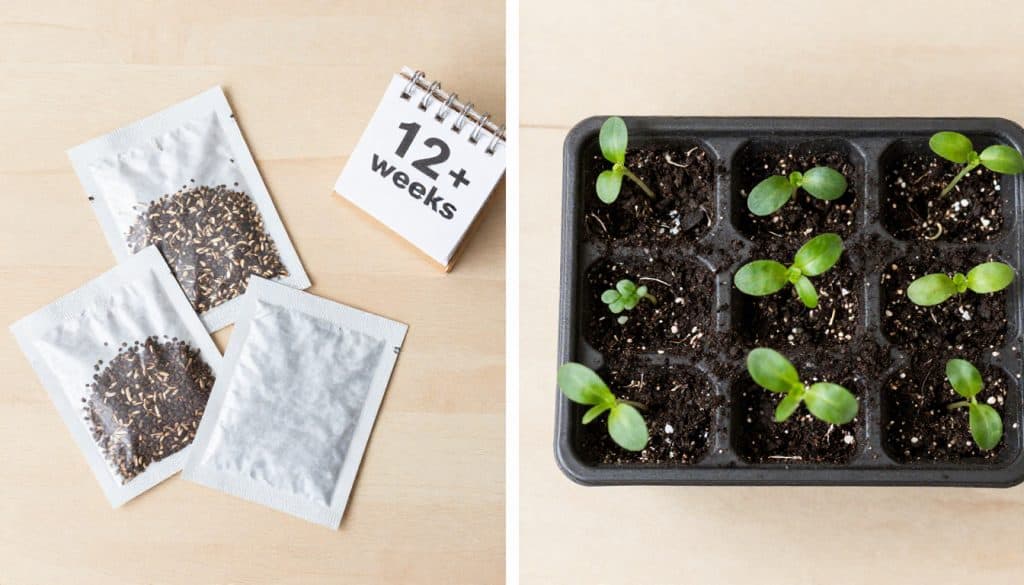
Most successful hydroponic strawberry growers start with runners, bare-root crowns, or plug plants instead of seeds.
Growing strawberries from seed sounds appealing, especially for beginners. Seed packets are inexpensive and widely available. However, many growers discover that starting from seed takes much longer and often produces unpredictable results.
Unlike cloned plants, seed-grown strawberries can vary genetically. The plants may not look like the photos on the packet, and fruit size, flavor, and yield can differ from expectations. You might end up with berries that are smaller, less sweet, or less productive than the variety you hoped to grow.
Commercial growers rarely use seeds for production. Instead, they rely on:
- Strawberry runners
- Bare-root crowns
- Plug plants
- Tissue-cultured clones
These methods preserve the characteristics of trusted varieties such as Albion, Monterey, Seascape, and San Andreas.
Many home growers who begin with seeds eventually switch to runners or crowns after realizing how much time they can save.
Seeds: 12-16 weeks to production (Timeline: Long, Consistency: 50-70%, Cost: $0.50/plant). Bare-root crowns: 2-3 weeks to production (Timeline: Short, Consistency: 95%+, Cost: $2-3/plant). Runners: 3-4 weeks (Consistency: 95%+, Cost: $1.50-2/plant).
If your goal is to harvest strawberries consistently with fewer surprises, starting with established plants is usually the better choice. Reliable genetics reduce frustration and make the learning process much smoother.
Why Do Most Growers Prefer Runners?
Runners offer a major advantage: predictability. Growing tips from experienced growers consistently emphasize that because runners are clones of the parent plant, they produce the same fruit quality, flavor profile, and growth habits as the original variety.
This consistency is especially valuable in hydroponics, where growers invest time managing nutrients, lighting, and environmental conditions.For beginners, runners and crowns provide a faster path to success and earlier harvests.
What Growing Conditions Help Hydroponic Strawberries Thrive?
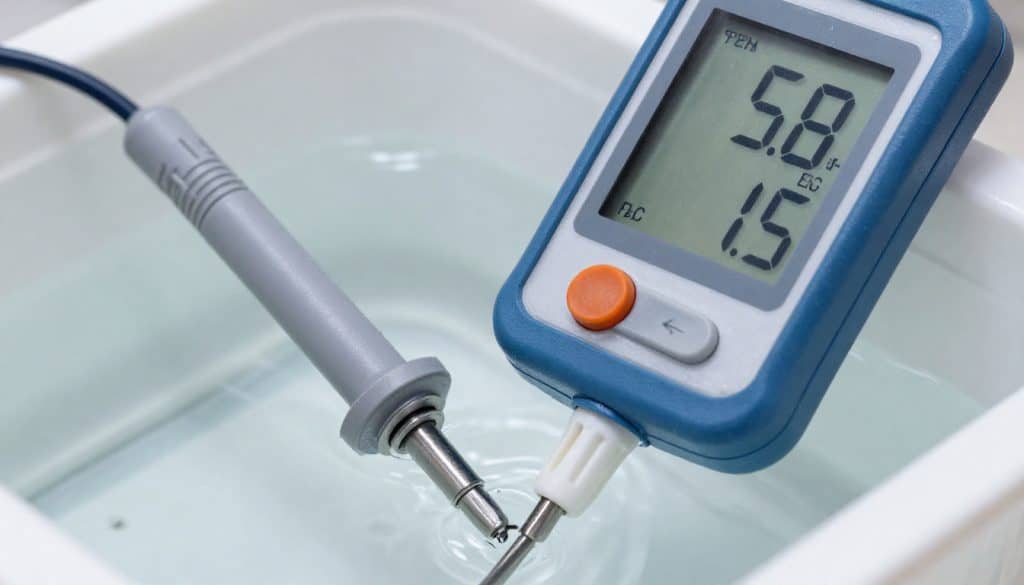
Even the best strawberry variety struggles without the right growing conditions. When you’re learning how to grow strawberries hydroponically, light, nutrients, temperature, and pollination all play equally important roles in plant health and fruit production.
As researchers at HortScience,
“In hydroponic systems, precise nutrient management is crucial for optimal plant growth and fruit production.” –HortScience.
Hydroponic strawberries generally perform best when pH stays close to 5.8, although many growers successfully maintain a range between 5.5 and 6.5. Nutrient strength usually falls between an EC of 1.2 and 2.0, depending on whether plants are focused on vegetative growth or fruit production.
Good lighting is equally important. Most indoor growers provide 14 to 16 hours of full-spectrum light each day to support steady flowering and healthy fruit development.
Healthy strawberry plants benefit from:
- Balanced nutrient solutions
- Adequate calcium and magnesium levels
- Complete micronutrient support
- Root zone temperatures between 60°F and 72°F
- Strong airflow around plants
- Reliable pollination methods
Indoor growers often use a small paintbrush or electric toothbrush to transfer pollen between flowers. This simple step can improve fruit shape and increase overall yields.
Pest prevention should also be part of your routine. Check plants regularly for:
- Aphids
- Spider mites
- Powdery mildew
- Early signs of root rot
Many growers focus heavily on nutrients while overlooking environmental factors. In reality, small adjustments to temperature, airflow, or lighting often improve berry quality more than changing fertilizer programs.
Which Environmental Factor Matters Most?
Consistency matters more than perfection. Strawberries respond best when conditions remain stable. Frequent swings in temperature, pH, or nutrient levels can stress plants and reduce fruit production.
Instead of making constant adjustments, focus on maintaining a steady environment. Regular monitoring and small corrections usually lead to better results than chasing exact numbers every day.
Best Strawberry Variety by Growing Goal

Credits : Get Growing with Gary Heilig
The best strawberry variety depends on what you want from your hydroponic garden. Some growers prioritize flavor, while others want larger harvests or easy-to-manage plants.
Use this guide to help narrow your choices:
- Best overall: Albion
- Best for beginners: Seascape
- Best for maximum yield: San Andreas
- Best flavor-to-yield balance: Monterey
- Best gourmet flavor: Mara des Bois
- Best compact variety: Tristar
- Best for vertical towers: Seascape
- Best for year-round production: Albion
Home gardeners often value flavor and reliability, making Albion and Seascape popular choices. Commercial growers may lean toward San Andreas or Monterey because of their strong yields and attractive fruit.
If you’re new to hydroponics, starting with proven day-neutral varieties is often the safest approach. Once you gain experience, you can experiment with specialty cultivars to find the flavors and growth habits you enjoy most.
Choosing the right variety from the beginning can have a bigger impact on success than buying more expensive equipment.
How Should You Choose Your First Variety?
Think about your main goal before making a decision.
If you want sweet berries for fresh eating, Albion and Mara des Bois stand out for flavor. If you care most about producing large harvests throughout the year, Monterey and San Andreas are strong options.
For beginners looking for an easy place to start, Seascape remains one of the most dependable choices. It adapts well to different hydroponic systems and produces consistently under a wide range of conditions.
FAQ
How do you maintain the nutrient solution strawberry roots need to stay healthy?
You must check your water quality every day to keep your indoor fruit garden thriving. Test your EC level strawberry readings so you do not burn the roots, and keep the water at a pH 5.8 strawberry baseline.
Mixing in calcium nitrate strawberry prevents ugly tip burn, while watching your root zone temperature stops strawberry root rot prevention issues before they start.
Can you get a continuous harvest using a vertical strawberry tower indoors?
You will get a steady supply of fruit if you plant a day-neutral strawberry or an everbearing strawberry.
Varieties like the Albion strawberry, Seascape strawberry, and Tristar strawberry pump out fruit no matter the day length. Give your vertical farming berry setup a boost with a LED grow light strawberry on a photoperiod 16 hours daily schedule for a year-round berry harvest.
Is a bare root strawberry better than starting from seeds or strawberry runners?
A bare root strawberry gives you a massive head start and keeps your soilless cultivation system clean.
Strawberry seed starting takes months of waiting, while outdoor strawberry runners often carry hidden pests like spider mites strawberry into your home. Just rinse the dirt off the bare roots under a tap before plugging them into your system.
How do you maximize fruit sweetness when growing in a coco coir strawberry setup?
To boost your brix level and get the highest fruit sweetness, you need intense lighting and strict berry nutrient management.
Running full spectrum lighting gives the plants the raw energy they need to build up natural sugars. Do not skip strawberry flower thinning on young plants either, since pinching off early blooms forces the plant to grow bigger berries later.
Do indoor strawberries require hand pollination to successfully produce fruit?
Yes, because indoor rooms lack the wind and wild bees that plants rely on outside. Once the blossoms open, take a soft hand pollination brush and gently swirl it inside each flower to spread the pollen around.
Doing this manual strawberry pollination guarantees you get a high-yield strawberry crop instead of empty blossoms that shrivel up and drop off.
Choosing Strawberry Varieties That Perform Well in Hydroponics
It’s frustrating to put time into growing strawberries only to end up with weak harvests or disappointing fruit. Many growers focus on nutrients or equipment first, but the variety you choose can make a bigger difference than you think. That’s where success often starts.
Pick a proven variety, then focus on creating stable growing conditions. Good lighting, healthy roots, proper pollination, and consistent care will do more for your harvest than constantly changing your setup. Tophydroponicgarden shares practical advice that helps growers choose reliable varieties and get the most from their hydroponic systems.
References
- https://projects.sare.org/project-reports/gne18-169/
- https://journals.ashs.org/view/journals/hortsci/60/2/article-p198.xml
Related Articles
- https://tophydroponicgarden.com/strawberries-grow-hydroponically/
- https://tophydroponicgarden.com/benefits-of-growing-strawberries/
- https://tophydroponicgarden.com/hydroponic-strawberries-growing-tips/
Was this helpful?

I’m Barrie L., a passionate hydroponic gardening enthusiast dedicated to cultivating thriving, soil-less gardens. With a focus on all things hydroponic, I share my expertise on innovative growing techniques and sustainable practices through my blog, tophydroponicgarden.com. As a seasoned hydroponics specialist, my goal is to inspire and guide fellow gardeners in harnessing the power of water-based cultivation for bountiful and eco-friendly harvests. I’m also an author of the book “Hydroponics For Absolute Beginners: Your Step By Step Guide For How To Create An Hydroponics System At Home Without Soil, For Growing Vegetable, Fruit And Herbs.” which is sold on Amazon. Join me on a journey of redefining the way we cultivate plants, one nutrient-rich solution at a time. Happy growing!